

What's inside
What's inside
 Key Ingredients
Benefits
Concerns
Ingredients Side-by-side
Water
Skin ConditioningCetearyl Alcohol
Emollient






Stearamidopropyl Dimethylamine
EmulsifyingIsopropyl Myristate
Emollient
Cetyl Esters
Emollient
Helianthus Annuus Seed Oil
Emollient

Glycine Soja Oil
Emollient

Ananas Sativus Fruit Extract
Skin ConditioningButyrospermum Parkii Butter
Skin Conditioning
Glycerin
Humectant
Glyceryl Linoleate
Emollient
Glyceryl Linolenate
Emollient
Glyceryl Oleate
Emollient

Kaolin
Abrasive



Ascorbyl Glucoside
Antioxidant



Caprylyl Glycol
Emollient
Citric Acid
Buffering
Tartaric Acid
Buffering
Tocopherol
Antioxidant

Potassium Sorbate
Preservative
Sodium Benzoate
Masking
Salicylic Acid
Masking


Caramel
Cosmetic ColorantLinalool
Perfuming
Geraniol
Perfuming
Coumarin
Perfuming
Limonene
Perfuming
Citronellol
Perfuming
Benzyl Alcohol
Perfuming
Benzyl Salicylate
Perfuming
Parfum
Masking
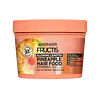
Water, Cetearyl Alcohol, Stearamidopropyl Dimethylamine, Isopropyl Myristate, Cetyl Esters, Helianthus Annuus Seed Oil, Glycine Soja Oil, Ananas Sativus Fruit Extract, Butyrospermum Parkii Butter, Glycerin, Glyceryl Linoleate, Glyceryl Linolenate, Glyceryl Oleate, Kaolin, Ascorbyl Glucoside, Caprylyl Glycol, Citric Acid, Tartaric Acid, Tocopherol, Potassium Sorbate, Sodium Benzoate, Salicylic Acid, Caramel, Linalool, Geraniol, Coumarin, Limonene, Citronellol, Benzyl Alcohol, Benzyl Salicylate, Parfum
Water
Skin ConditioningCetyl Alcohol
Emollient
Stearyl Alcohol
Emollient
Cetyl Esters
Emollient
Behentrimonium Chloride
Preservative
Dimethicone
Emollient
Cetrimonium Chloride
Antimicrobial
Propylene Glycol
Humectant
Phenoxyethanol
Preservative
Parfum
Masking
Vitis Vinifera Seed Oil
Emollient
Cyclopentasiloxane
Emollient
Amodimethicone
Cyclohexasiloxane
Emollient
Isopropyl Alcohol
Solvent
Helianthus Annuus Seed Oil
Emollient
Panthenol
Skin Conditioning
Argania Spinosa Kernel Oil
Emollient
Disodium EDTA
ChelatingEthylhexylglycerin
Skin ConditioningTrideceth-12
EmulsifyingSodium PCA
Humectant
Sodium Lactate
Buffering
Tocopheryl Acetate
Antioxidant
Arginine
Masking
Aspartic Acid
Masking
PCA
Humectant
Hydrolyzed Keratin
Humectant
Glycine
Buffering
Alanine
Masking
Serine
Masking
Valine
MaskingProline
Skin Conditioning
Isoleucine
Skin ConditioningThreonine
Histidine
Humectant
Phenylalanine
Masking
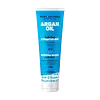
Water, Cetyl Alcohol, Stearyl Alcohol, Cetyl Esters, Behentrimonium Chloride, Dimethicone, Cetrimonium Chloride, Propylene Glycol, Phenoxyethanol, Parfum, Vitis Vinifera Seed Oil, Cyclopentasiloxane, Amodimethicone, Cyclohexasiloxane, Isopropyl Alcohol, Helianthus Annuus Seed Oil, Panthenol, Argania Spinosa Kernel Oil, Disodium EDTA, Ethylhexylglycerin, Trideceth-12, Sodium PCA, Sodium Lactate, Tocopheryl Acetate, Arginine, Aspartic Acid, PCA, Hydrolyzed Keratin, Glycine, Alanine, Serine, Valine, Proline, Isoleucine, Threonine, Histidine, Phenylalanine
Ingredients Explained
These ingredients are found in both products.
Ingredients higher up in an ingredient list are typically present in a larger amount.
Cetyl Esters is an emollient with an interesting backstory: it's a synthetic wax originally designed to be a copy of spermaceti, a waxy material that used to be harvested from whales.
This ingredient delivers the same "velvety" feel without anything animal-derived (usually made from coconut or palm-sourced fatty alcohols/acids).
Chemically, it's a blend of esters from 14-18 fatty acids and alcohols that is a solid at room temperature but melts on contact with skin. It helps soften and smooth the skin while improving the feel and spread of products.
Typical use concentrations range from 1-10% (most commonly 2-5%).
The CIR Expert Panel has concluded it's safe as used and has shown no skin irritation in available studies.
Because it's a blend of fatty acid esters in the chain-length range that Malassezia can feed on, it may not be fungal acne safe.
Learn more about Cetyl EstersHelianthus Annuus Seed Oil is a plant oil derived from the seeds of a sunflower.
It is rich in fatty acids, primarily linoleic acid and oleic acid. This gives it emollient and skin conditioning properties.
The reason this ingredient is so effective is because it forms a thin film on the skin that reduces transepidermal water loss (TEWL) while supplying linoleic acid to the stratum corneum to improve barrier strength.
The high linoleic acid content is particularly noteworthy for acne-prone skin.
Research suggests that acne-prone skin tends to be deficient in linoleic acid in sebum. Topical application may help replenish this to support a healthier follicular environment and less comedone-promoting sebum.
One randomized study found sunflower seed oil preserved skin barrier integrity in adult volunteers with and without atopic dermatitis (outperforming olive oil).
This ingredient is well-studied, gentle, and an effective emollient suitable for most skin types.
On fungal acne: This ingredient may not be Fungal acne (Malassezia folliculitis) safe. This is because it contains fatty acids with carbon chain lengths in the C11-C24 range.
Learn more about Helianthus Annuus Seed OilParfum is a catch-all term for an ingredient or more that is used to give a scent to products.
Also called "fragrance", this ingredient can be a blend of hundreds of chemicals or plant oils. This means every product with "fragrance" or "parfum" in the ingredients list is a different mixture.
For instance, Habanolide is a proprietary trade name for a specific aroma chemical. When used as a fragrance ingredient in cosmetics, most aroma chemicals fall under the broad labeling category of “FRAGRANCE” or “PARFUM” according to EU and US regulations.
The term 'parfum' or 'fragrance' is not regulated in many countries. In many cases, it is up to the brand to define this term.
For instance, many brands choose to label themselves as "fragrance-free" because they are not using synthetic fragrances. However, their products may still contain ingredients such as essential oils that are considered a fragrance by INCI standards.
One example is Calendula flower extract. Calendula is an essential oil that still imparts a scent or 'fragrance'.
Depending on the blend, the ingredients in the mixture can cause allergies and sensitivities on the skin. Some ingredients that are known EU allergens include linalool and citronellol.
Parfum can also be used to mask or cover an unpleasant scent.
The bottom line is: not all fragrances/parfum/ingredients are created equally. If you are worried about fragrances, we recommend taking a closer look at an ingredient. And of course, we always recommend speaking with a professional.
Learn more about ParfumWater. It's the most common cosmetic ingredient of all. You'll usually see it at the top of ingredient lists, meaning that it makes up the largest part of the product.
So why is it so popular? Water most often acts as a solvent - this means that it helps dissolve other ingredients into the formulation.
You'll also recognize water as that liquid we all need to stay alive. If you see this, drink a glass of water. Remember to stay hydrated!
Learn more about Water

