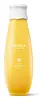
This brightening toner is formulated around Niacinamide to brighten dull-looking skin and fade the look of dark spots.
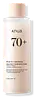
This brightening toner is formulated around Niacinamide and Oryza Sativa Extract to brighten dull-looking skin and hydrate skin.

What's inside
What's inside
 Key Ingredients
Benefits
Concerns
No concerns
Ingredients Side-by-side
Citrus Unshiu Peel Extract
MaskingWater
Skin ConditioningDimethicone
Emollient

Triethylhexanoin
MaskingPhenyl Trimethicone
Skin Conditioning
Dipropylene Glycol
HumectantAlcohol
Antimicrobial




1,2-Hexanediol
Skin Conditioning
Polysorbate 60
Emulsifying
Niacinamide
Smoothing










Polysorbate 20
Emulsifying
Dimethicone/Vinyl Dimethicone Crosspolymer
Skin Conditioning
Sodium Polyacrylate
Absorbent
Carbomer
Emulsion StabilisingTromethamine
BufferingPolyquaternium-51
Skin Conditioning
Panthenol
Skin Conditioning
Synthetic Fluorphlogopite
Titanium Dioxide
Cosmetic Colorant

Biosaccharide Gum-1
Humectant
Coco-Caprylate/Caprate
Emollient
Sodium Acrylate/Sodium Acryloyldimethyl Taurate Copolymer
Emulsion StabilisingIsohexadecane
EmollientVitis Vinifera Seed Oil
Emollient
Prunus Armeniaca Kernel Oil
Masking
Polysorbate 80
Emulsifying
Tin Oxide
Abrasive
Sorbitan Oleate
Emulsifying
Solanum Lycopersicum Seed Oil
Emollient
Punica Granatum Seed Oil
Emollient
Mangifera Indica Seed Oil
Emollient
Citrus Paradisi Seed Oil
Perfuming
Tocopherol
Antioxidant

Disodium EDTA
ChelatingPhenoxyethanol
Preservative
Chlorphenesin
Antimicrobial
Parfum
Masking
Limonene
Perfuming
Hexyl Cinnamal
Perfuming
Linalool
Perfuming
Citrus Unshiu Peel Extract, Water, Dimethicone, Triethylhexanoin, Phenyl Trimethicone, Dipropylene Glycol, Alcohol, 1,2-Hexanediol, Polysorbate 60, Niacinamide, Polysorbate 20, Dimethicone/Vinyl Dimethicone Crosspolymer, Sodium Polyacrylate, Carbomer, Tromethamine, Polyquaternium-51, Panthenol, Synthetic Fluorphlogopite, Titanium Dioxide, Biosaccharide Gum-1, Coco-Caprylate/Caprate, Sodium Acrylate/Sodium Acryloyldimethyl Taurate Copolymer, Isohexadecane, Vitis Vinifera Seed Oil, Prunus Armeniaca Kernel Oil, Polysorbate 80, Tin Oxide, Sorbitan Oleate, Solanum Lycopersicum Seed Oil, Punica Granatum Seed Oil, Mangifera Indica Seed Oil, Citrus Paradisi Seed Oil, Tocopherol, Disodium EDTA, Phenoxyethanol, Chlorphenesin, Parfum, Limonene, Hexyl Cinnamal, Linalool
Oryza Sativa Bran Water 71%
Masking
Butylene Glycol
Humectant
Glycerin
Humectant
Dipropylene Glycol
HumectantNiacinamide
Smoothing
Propanediol
Solvent
Water
Skin Conditioning1,2-Hexanediol
Skin Conditioning
Methyl Gluceth-20
Humectant
Panthenol
Skin Conditioning
Betaine
Humectant
Oryza Sativa Extract
Absorbent
Hydroxyacetophenone
Antioxidant
Diphenyl Dimethicone
Emollient
Triethylhexanoin
MaskingHydrogenated Lecithin
Emulsifying
Adenosine
Skin Conditioning
Ethylhexylglycerin
Skin ConditioningCarbomer
Emulsion StabilisingTromethamine
BufferingXanthan Gum
EmulsifyingGlyceryl Acrylate/Acrylic Acid Copolymer
HumectantTheobroma Cacao Seed Extract
Antioxidant
Sodium Hyaluronate
Humectant
Hydrolyzed Hyaluronic Acid
Humectant
Hyaluronic Acid
Humectant
Dextrin
AbsorbentHydrolyzed Rice Protein
Skin ConditioningOryza Sativa Seed Protein
Antioxidant
Ceramide NP
Skin Conditioning
Sodium Lauroyl Lactylate
EmulsifyingArbutin
Antioxidant
Ascorbic Acid
Antioxidant
Allantoin
Skin Conditioning
Ceramide AP
Skin Conditioning
Phytosphingosine
Skin Conditioning
Cholesterol
Emollient
Ceramide EOP
Skin Conditioning
Oryza Sativa Bran Water 71%, Butylene Glycol, Glycerin, Dipropylene Glycol, Niacinamide, Propanediol, Water, 1,2-Hexanediol, Methyl Gluceth-20, Panthenol, Betaine, Oryza Sativa Extract, Hydroxyacetophenone, Diphenyl Dimethicone, Triethylhexanoin, Hydrogenated Lecithin, Adenosine, Ethylhexylglycerin, Carbomer, Tromethamine, Xanthan Gum, Glyceryl Acrylate/Acrylic Acid Copolymer, Theobroma Cacao Seed Extract, Sodium Hyaluronate, Hydrolyzed Hyaluronic Acid, Hyaluronic Acid, Dextrin, Hydrolyzed Rice Protein, Oryza Sativa Seed Protein, Ceramide NP, Sodium Lauroyl Lactylate, Arbutin, Ascorbic Acid, Allantoin, Ceramide AP, Phytosphingosine, Cholesterol, Ceramide EOP
Reviews
Ingredients Explained
These ingredients are found in both products.
Ingredients higher up in an ingredient list are typically present in a larger amount.
1,2-Hexanediol is a synthetic liquid and another multi-functional powerhouse.
It is a:
- Humectant, drawing moisture into the skin
- Emollient, helping to soften skin
- Solvent, dispersing and stabilizing formulas
- Preservative booster, enhancing the antimicrobial activity of other preservatives
Carbomer is a synthetic thickening and gelling agent. It's basically the ingredient that gives a lot of serums, gels, creams, and sunscreens their smooth, non-sticky texture.
Although legally permitted at very high levels, carbomers are normally used at concentrations below 1%.
It also needs to be neutralized to actually thicken, and because it is a large molecule, it doesn't really penetrate the skin barrier.
Allergy-wise, the risk is very low. Clinical studies show carbomers have low potential for skin irritation/sensitization even at concentrations up to 100%.
A 2024 UK study patch-tested 1,302 patients and found true allergy to the parent group of carbomer to be rare with no confirmed relevant reactions.
Learn more about CarbomerDipropylene Glycol is a synthetically created humectant, stabilizer, and solvent.
This ingredient helps:
Dipropylene glycol is technically an alcohol, but it belongs to the glycol family (often considered part of the ‘good’ alcohols). This means it is hydrating and gentle on skin unlike drying solvent alcohols like denatured alcohol.
As a masking agent, Dipropylene Glycol can be used to cover the smell of other ingredients. However, it does not have a scent.
Studies show Dipropylene Glycol is considered safe to use in skincare.
Learn more about Dipropylene GlycolNiacinamide is a multitasking form of vitamin B3 that strengthens the skin barrier, reduces pores and dark spots, regulates oil, and improves signs of aging.
And the best part? It's gentle and well-tolerated by most skin types, including sensitive and reactive skin.
You might have heard of "niacin flush", or the reddening of skin that causes itchiness. Niacinamide has not been found to cause this.
In very rare cases, some individuals may not be able to tolerate niacinamide at all or experience an allergic reaction to it.
If you are experiencing flaking, irritation, and dryness with this ingredient, be sure to double check all your products as this ingredient can be found in all categories of skincare.
When incorporating niacinamide into your routine, look out for concentration amounts. Typically, 5% niacinamide provides benefits such as fading dark spots. However, if you have sensitive skin, it is better to begin with a smaller concentration.
When you apply niacinamide to your skin, your body converts it into nicotinamide adenine dinucleotide (NAD). NAD is an essential coenzyme that is already found in your cells as "fuel" and powers countless biological processes.
In your skin, NAD helps repair cell damage, produce new healthy cells, support collagen production, strengthen the skin barrier, and fight environmental stressors (like UV and pollution).
Our natural NAD levels start to decline with age, leading to slower skin repair, visible aging, and a weaker skin barrier. By providing your skin niacinamide, you're recharging your skin's NAD levels. This leads to stronger, healthier, and younger looking skin.
Another name for vitamin B3 is nicotinamide. This vitamin is water-soluble and our bodies don't store it. We obtain Vitamin B3 from either food or skincare. Meat, fish, wheat, yeast, and leafy greens contain vitamin B3.
The type of niacinamide used in skincare is synthetically created.
Learn more about NiacinamidePanthenol is a common ingredient that helps hydrate and soothe the skin. It is found naturally in our skin and hair.
There are two forms of panthenol: D and L.
D-panthenol is also known as dexpanthenol. Most cosmetics use dexpanthenol or a mixture of D and L-panthenol.
Panthenol is famous due to its ability to go deeper into the skin's layers. Using this ingredient has numerous pros (and no cons):
Like hyaluronic acid, panthenol is a humectant. Humectants are able to bind and hold large amounts of water to keep skin hydrated.
This ingredient works well for wound healing. It works by increasing tissue in the wound and helps close open wounds.
Once oxidized, panthenol converts to pantothenic acid. Panthothenic acid is found in all living cells.
This ingredient is also referred to as pro-vitamin B5.
Learn more about PanthenolTriethylhexanoin is created from glycerin and 2-ethylhexanoic acid. It is a solvent and emollient.
As a solvent, Triethylhexanoin helps dissolve ingredients to stable bases or help evenly distribute ingredients throughout the product.
It is also an emollient and helps condition the skin.
Learn more about TriethylhexanoinTromethamine (aka THAM) is a synthetic amino acid that shows up in skincare as a helper ingredient.
It functions as a pH adjuster to help neutralize acidic ingredients and set a formula's pH to the right spot.
This matters a lot because a lot of actives (like vitamin C) needs a specific pH to work well and feel comfortable on skin.
Concentration use ranges from 0.1-1.0% depending on the formula.
Learn more about TromethamineWater. It's the most common cosmetic ingredient of all. You'll usually see it at the top of ingredient lists, meaning that it makes up the largest part of the product.
So why is it so popular? Water most often acts as a solvent - this means that it helps dissolve other ingredients into the formulation.
You'll also recognize water as that liquid we all need to stay alive. If you see this, drink a glass of water. Remember to stay hydrated!
Learn more about Water

