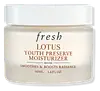
This anti-aging moisturizer is formulated around Tocopherol and Adenosine to soften the look of wrinkles and hydrate skin.
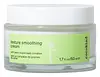
This barrier-repair moisturizer is formulated around Squalane and Butyrospermum Parkii Butter to strengthen the skin barrier and hydrate skin.

What's inside
What's inside
 Key Ingredients
Benefits
Concerns
Ingredients Side-by-side
Water
Skin ConditioningGlycerin
Humectant


Propylene Glycol Dicaprylate/Dicaprate
EmollientCetearyl Alcohol
Emollient






Pentylene Glycol
Skin Conditioning
Caprylic/Capric Triglyceride
Masking
Ethylhexyl Palmitate
Emollient
C10-18 Triglycerides
Emollient
Betaine
Humectant
Polyglycerin-3
Humectant
Nelumbo Nucifera Extract
Skin ConditioningCitrus Limon Peel Oil
Masking





Averrhoa Carambola Leaf Extract
HumectantCucumis Sativus Fruit Extract
Emollient
Helianthus Annuus Seed Oil
Emollient
Tocopherol
Antioxidant




Cetearyl Glucoside
Emulsifying
Sorbitol
Humectant
Caprylyl Glycol
Emollient
Potassium Cetyl Phosphate
EmulsifyingBehenyl Alcohol
Emollient
Carbomer
Emulsion StabilisingSilica
Abrasive


Sodium PCA
Humectant
Cetyl Alcohol
Emollient
Stearyl Alcohol
Emollient
Butylene Glycol
Humectant
Pentaerythrityl Tetraisostearate
Emollient
Sodium Hydroxide
BufferingXanthan Gum
EmulsifyingAdenosine
Skin Conditioning
Sodium Polyglutamate
HumectantSodium Phytate
Propanediol
Solvent
Caramel
Cosmetic ColorantChlorphenesin
Antimicrobial
Sodium Metabisulfite
Antioxidant
Potassium Sorbate
Preservative
Sodium Benzoate
Masking
Limonene
Perfuming
Citral
Perfuming
Water, Glycerin, Propylene Glycol Dicaprylate/Dicaprate, Cetearyl Alcohol, Pentylene Glycol, Caprylic/Capric Triglyceride, Ethylhexyl Palmitate, C10-18 Triglycerides, Betaine, Polyglycerin-3, Nelumbo Nucifera Extract, Citrus Limon Peel Oil, Averrhoa Carambola Leaf Extract, Cucumis Sativus Fruit Extract, Helianthus Annuus Seed Oil, Tocopherol, Cetearyl Glucoside, Sorbitol, Caprylyl Glycol, Potassium Cetyl Phosphate, Behenyl Alcohol, Carbomer, Silica, Sodium PCA, Cetyl Alcohol, Stearyl Alcohol, Butylene Glycol, Pentaerythrityl Tetraisostearate, Sodium Hydroxide, Xanthan Gum, Adenosine, Sodium Polyglutamate, Sodium Phytate, Propanediol, Caramel, Chlorphenesin, Sodium Metabisulfite, Potassium Sorbate, Sodium Benzoate, Limonene, Citral
Water
Skin ConditioningCucumis Sativus Fruit Water
Skin ConditioningSqualane
Emollient
Caprylic/Capric Triglyceride
Masking
Helianthus Annuus Seed Oil
Emollient
Cetyl Alcohol
Emollient
Glyceryl Stearate
Emollient
Butyrospermum Parkii Butter
Skin Conditioning
Glyceryl Caprylate
EmollientXanthan Gum
EmulsifyingStearic Acid
Cleansing
Ethylhexylglycerin
Skin ConditioningArginine
Masking
Lecithin
Emollient
Pullulan
Glycerin
Humectant
Caprylhydroxamic Acid
Sorbitan Trioleate
Emulsifying
Sodium Phytate
Sclerotium Gum
Emulsion StabilisingTanacetum Vulgare Extract
Skin ConditioningPanax Ginseng Root Extract
Emollient
Camellia Japonica Seed Oil
Emollient
Mentha Piperita Extract
CleansingCucumis Sativus Fruit Extract
Emollient
Apium Graveolens Seed Extract
Antioxidant
Linum Usitatissimum Seed Extract
Perfuming
Water, Cucumis Sativus Fruit Water, Squalane, Caprylic/Capric Triglyceride, Helianthus Annuus Seed Oil, Cetyl Alcohol, Glyceryl Stearate, Butyrospermum Parkii Butter, Glyceryl Caprylate, Xanthan Gum, Stearic Acid, Ethylhexylglycerin, Arginine, Lecithin, Pullulan, Glycerin, Caprylhydroxamic Acid, Sorbitan Trioleate, Sodium Phytate, Sclerotium Gum, Tanacetum Vulgare Extract, Panax Ginseng Root Extract, Camellia Japonica Seed Oil, Mentha Piperita Extract, Cucumis Sativus Fruit Extract, Apium Graveolens Seed Extract, Linum Usitatissimum Seed Extract
Reviews
Ingredients Explained
These ingredients are found in both products.
Ingredients higher up in an ingredient list are typically present in a larger amount.
Caprylic/Capric Triglyceride (aka MCT Oil) is a lightweight emollient, solvent, and texture enhancer. It is considered a skin-softener by helping to prevent moisture loss.
Though it behaves like an oil, it is not technically one due to its chemical composition. One perk of this ingredient is that it is very stable, resistant to oxidation, and unlikely to go rancid.
In practice, that translates to a long shelf life and a consistently elegant skin feel.
While there is an assumption Caprylic Triglyceride can clog pores due to it being derived from coconut oil, there is no research supporting this. Just patch test if you have concerns.
Fractionated coconut oil and MCT Oil are both listed as Caprylic/Capric Triglyceride according to INCI. This is because INCI names are based on the ingredient’s final chemical composition and not its marketing name or source.
This ingredient is treated as the gold standard fungal acne safe oil. Even though it is coconut derived, the problematic lauric acid is stripped out.
This leaves just caprylic (C8) and capric (C10) acid. These chain lengths actually trend antifungal; a 2020 study found caprylic acid was enough to disrupt Malassezia furfur cell membrane, with a caprylic acid derivative damaging membrane structures at concentrations as low as 0.2%.
Learn more about Caprylic/Capric TriglycerideCetyl Alcohol is a fatty alcohol. Fatty Alcohols are most often used as an emollient or to thicken a product.
Its main roles are:
Though it has "alcohol" in the name, it is not related to denatured alcohol or ethyl alcohol.
The FDA allows products labeled "alcohol-free" to have fatty alcohols.
This ingredient may not be fungal acne safe. It is a primary fatty alcohol with a chain length above 12 carbons. A study from 2019 show Malassezia can feed on fatty alcohols in this range, so it may trigger fungal acne in those prone to it.
Learn more about Cetyl AlcoholThis extract comes from cucumber. Cucumbers are mostly made up of water (95%), and the other 5% is composed of: vitamin C, caffeic acid, fatty acids, amino acids, and other minerals.
Cucumbers have anti-inflammatory, barrier repair, and hydrating properties.
They contain shikimate dehydrigenase, an enzyme shown to help reduce inflammation and soothe the skin.
The amino acids found in cucumbers help nourish our skin's natural acid mantle (it's an important part of our skin barrier). This slightly acidic film acts as a barrier to protect us from bacteria, viruses, and other contaminants.
Unless you have an allergy to cucumbers, this is generally a non-irritating ingredient.
Fun fact: Cucumis Sativus is native to South Asia and can now be found on every continent.
Learn more about Cucumis Sativus Fruit ExtractGlycerin (or glycerol) is a compound naturally found in your skin. It's a powerhouse humectant that pulls water into the stratum corneum.
Topically, glycerin does several things at once:
Your skin makes glycerin on its own (mostly from sebaceous oil breakdown) and shuttles it to your outermost layer of skin, or your epidermis, via aquaporin-3.
Aquaporin-3 is a transporter that is essential for normal skin hydration, elasticity, and repair. Interestingly, mice lacking in AQP3 have dry and less elastic skin that can be fully corrected with glycerin.
This ingredient is non-irritating, plays well with almost every ingredient, and works across all skin types. Typical use is anywhere between 3-10% but can go up to 79% in some leave-on products.
Just know very high concentrations (>40%) can feel tacky in low humidity.
Glycerin is the name for this ingredient in American English. British English uses Glycerol/Glycerine.
Learn more about GlycerinHelianthus Annuus Seed Oil is a plant oil derived from the seeds of a sunflower.
It is rich in fatty acids, primarily linoleic acid and oleic acid. This gives it emollient and skin conditioning properties.
The reason this ingredient is so effective is because it forms a thin film on the skin that reduces transepidermal water loss (TEWL) while supplying linoleic acid to the stratum corneum to improve barrier strength.
The high linoleic acid content is particularly noteworthy for acne-prone skin.
Research suggests that acne-prone skin tends to be deficient in linoleic acid in sebum. Topical application may help replenish this to support a healthier follicular environment and less comedone-promoting sebum.
One randomized study found sunflower seed oil preserved skin barrier integrity in adult volunteers with and without atopic dermatitis (outperforming olive oil).
This ingredient is well-studied, gentle, and an effective emollient suitable for most skin types.
On fungal acne: This ingredient may not be Fungal acne (Malassezia folliculitis) safe. This is because it contains fatty acids with carbon chain lengths in the C11-C24 range.
Learn more about Helianthus Annuus Seed OilSodium Phytate is the synthetic salt form of phytic acid. Phytic acid is an antioxidant and can be found in plant seeds.
Sodium Phytate is a chelating agent. Chelating agents help prevent metals from binding to water. This helps stabilize the ingredients and the product.
Water. It's the most common cosmetic ingredient of all. You'll usually see it at the top of ingredient lists, meaning that it makes up the largest part of the product.
So why is it so popular? Water most often acts as a solvent - this means that it helps dissolve other ingredients into the formulation.
You'll also recognize water as that liquid we all need to stay alive. If you see this, drink a glass of water. Remember to stay hydrated!
Learn more about WaterXanthan gum is used as a stabilizer and thickener within cosmetic products. It helps give products a sticky, thick feeling - preventing them from being too runny.
On the technical side of things, xanthan gum is a polysaccharide - a combination consisting of multiple sugar molecules bonded together.
Xanthan gum is a pretty common and great ingredient. It is a natural, non-toxic, non-irritating ingredient that is also commonly used in food products.
Learn more about Xanthan Gum

