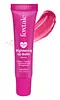
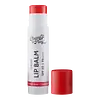
This brightening lip moisturizer is formulated around Tocopherol and Ascorbyl Palmitate to brighten dull-looking skin and hydrate lips.
This brightening lip moisturizer is formulated around Niacinamide and Ceramide EOP to fade the look of dark spots and hydrate lips.

What's inside
What's inside
 Key Ingredients
Benefits
Concerns
Ingredients Side-by-side
Hydrogenated Polyisobutene
EmollientDiisostearyl Malate
EmollientDisteardimonium Hectorite
StabilisingPropylene Carbonate
SolventOlive Oil Polyglyceryl-6 Esters
Emollient


Polyglyceryl-6 Pentaoleate
Emulsifying
Diethylamino Hydroxybenzoyl Hexyl Benzoate
UV Filter
Ethylhexyl Triazone
UV Absorber
Trihydroxystearin
Skin Conditioning
Cyclopentasiloxane
Emollient
Trimethylsiloxysilicate
Emollient
Aroma


Tocopherol
Antioxidant







Sodium Hyaluronate
Humectant
Ethylhexyl Palmitate
Emollient


Silica Dimethyl Silylate
EmollientButylene Glycol
Humectant
Pentylene Glycol
Skin Conditioning
Squalane
Emollient
Ascorbyl Palmitate
Antioxidant

Euterpe Oleracea Fruit Oil
Skin Conditioning
Rubus Idaeus Seed Oil
Emollient
Hydrolyzed Corn Starch
HumectantLauryl Laurate
Skin Conditioning
Methyl Diisopropyl Propionamide
MaskingEthyl Menthane Carboxamide
TonicMenthyl Lactate
Masking
Caffeine
Skin Conditioning
Hydrated Silica
Abrasive
Palmitoyl Tripeptide-1
Skin Conditioning

Tribehenin
Emollient
Sorbitan Isostearate
Emulsifying
Rebaudioside A
Skin ConditioningStevioside
MaskingPentaerythrityl Tetra-Di-T-Butyl Hydroxyhydrocinnamate
Antioxidant
Hydrogenated Polyisobutene, Diisostearyl Malate, Disteardimonium Hectorite, Propylene Carbonate, Olive Oil Polyglyceryl-6 Esters, Polyglyceryl-6 Pentaoleate, Diethylamino Hydroxybenzoyl Hexyl Benzoate, Ethylhexyl Triazone, Trihydroxystearin, Cyclopentasiloxane, Trimethylsiloxysilicate, Aroma, Tocopherol, Sodium Hyaluronate, Ethylhexyl Palmitate, Silica Dimethyl Silylate, Butylene Glycol, Pentylene Glycol, Squalane, Ascorbyl Palmitate, Euterpe Oleracea Fruit Oil, Rubus Idaeus Seed Oil, Hydrolyzed Corn Starch, Lauryl Laurate, Methyl Diisopropyl Propionamide, Ethyl Menthane Carboxamide, Menthyl Lactate, Caffeine, Hydrated Silica, Palmitoyl Tripeptide-1, Tribehenin, Sorbitan Isostearate, Rebaudioside A, Stevioside, Pentaerythrityl Tetra-Di-T-Butyl Hydroxyhydrocinnamate
Ricinus Communis Seed Oil
Masking
Euphorbia Cerifera Cera
Astringent
Cocos Nucifera Oil
Masking
Butyrospermum Parkii Butter
Skin Conditioning
Methylene Bis-Benzotriazolyl Tetramethylbutylphenol
UV Filter
Bis-Ethylhexyloxyphenol Methoxyphenyl Triazine
UV Absorber
Theobroma Cacao Seed Butter
Emollient
Prunus Amygdalus Dulcis Oil
Skin Conditioning
Daucus Carota Sativa Seed Oil
Emollient
Rubus Idaeus Seed Oil
Emollient
Niacinamide
Smoothing



Copernicia Cerifera Cera
Emollient
Kojic Dipalmitate
Emollient
Dicaprylyl Carbonate
EmollientCeramide EOP
Skin Conditioning
Glycyrrhiza Glabra Root Extract
Bleaching
Cetearyl Olivate
Sorbitan Olivate
Emulsifying
Zinc Oxide
Cosmetic Colorant
Titanium Dioxide
Cosmetic Colorant
Caprylyl Methicone
Skin Conditioning
Tocopheryl Acetate
Antioxidant
Olea Europaea Fruit Oil
Masking
Olea Europaea Leaf Extract
Perfuming
Olea Europaea Fruit Extract
BleachingCeramide NP
Skin Conditioning
Ceramide AP
Skin Conditioning
Sodium Hyaluronate
Humectant
Copper Tripeptide-1
Skin Conditioning
Palmitoyl Tripeptide-1
Skin Conditioning
Pisum Sativum Peptide
Skin Conditioning
Aroma
Prunus Avium Fruit Extract
Skin ConditioningCI 26100
Cosmetic ColorantRicinus Communis Seed Oil, Euphorbia Cerifera Cera, Cocos Nucifera Oil, Butyrospermum Parkii Butter, Methylene Bis-Benzotriazolyl Tetramethylbutylphenol, Bis-Ethylhexyloxyphenol Methoxyphenyl Triazine, Theobroma Cacao Seed Butter, Prunus Amygdalus Dulcis Oil, Daucus Carota Sativa Seed Oil, Rubus Idaeus Seed Oil, Niacinamide, Copernicia Cerifera Cera, Kojic Dipalmitate, Dicaprylyl Carbonate, Ceramide EOP, Glycyrrhiza Glabra Root Extract, Cetearyl Olivate, Sorbitan Olivate, Zinc Oxide, Titanium Dioxide, Caprylyl Methicone, Tocopheryl Acetate, Olea Europaea Fruit Oil, Olea Europaea Leaf Extract, Olea Europaea Fruit Extract, Ceramide NP, Ceramide AP, Sodium Hyaluronate, Copper Tripeptide-1, Palmitoyl Tripeptide-1, Pisum Sativum Peptide, Aroma, Prunus Avium Fruit Extract, CI 26100
Reviews
Ingredients Explained
These ingredients are found in both products.
Ingredients higher up in an ingredient list are typically present in a larger amount.
Aroma refers to an ingredient, or mixture of ingredients, that impart or mask a flavor.
The name is slightly confusing. This is because INCI associates aroma with flavor instead of smell.
Here is the official definition from the The International Cosmetic Ingredient Dictionary and Handbook:
“Aroma is a term for ingredient labeling used to identify that a product contains a material or combination of materials normally added to a cosmetic to produce or to mask a particular flavor.”
INCI shows the only purpose of aroma to be "flavouring".
However, due to regulation differences, some companies may use aroma in place of parfum.
In Canada, this ingredient only has to be listed in concentrations above 1%.
Learn more about AromaPalmitoyl Tripeptide-1 (aka Pal-GHK) is a synthetic signal peptide made of three amino acids attached to palmitic acid.
That fatty acid attachment is the key: it boosts the peptide's ability to penetrate the skin barrier. This puts it closer to the dermal cells where it can actually make a difference.
Once there, it acts as a matrikine, a signaling peptide that prompts fibroblasts to produce more collagen, fibronectin, and hyaluronic acid.
In vitro studies show it can boost collagen production in skin cells even when UV-damaged skin samples were treated with it at a tiny concentration (it almost fully restored dermal collagen at 5ppm). It achieved this at 100x lower concentration than retinoic acid, which needed 500 ppm to do the same thing.
Human clinical data is promising, but modest:
A study of 23 female volunteers found a small but statistically significant increase (~4%) in skin thickness after treatment at 4 ppm.
A separate small trial of 15 women showed statistically significant reductions in wrinkle length, depth, and skin roughness after applying it twice daily for four weeks.
You'll likely see Pal-GHK paired with Palmitoyl Tetrapeptide-7 as part of the Matrixyl 3000 complex.
Fungal acne note:
Usually a palmitic acid component can feed Malassezia in unbound form, but here is is covalently bonded to the peptide. This means it is very difficult for Malassezia to access, and therefore very unlikely to cause fungal acne.
Rubus Idaeus Seed Oil is created from the seeds of the raspberry fruit. Raspberries are native to northern Europe and Asia.
Raspberry seed oil is an emollient with antioxidant and anti-inflammatory properties. It is rich in fatty acids, tocopherols, flavonoids, Vitamin C, and Vitamin E.
As an emollient, raspberry seed oil helps hydrate your skin. Emollients prevent moisture from evaporating by creating a film on top.
Learn more about Rubus Idaeus Seed OilSodium Hyaluronate is the salt form of hyaluronic acid. It is a long sugar chain that is naturally found in your skin, joints, and connective tissue that maintains hydration and elasticity.
In skincare, it works as a humectant. It pulls water from the environment and deeper layers of skin and binds it to the surface.
Interestingly, the size of the molecule affects its behavior:
Some clinical evidence links low molecular weight versions to improved wrinkle depth, elasticity, anti-inflammatory effects, and barrier repair.
Many serums use a blend of both weights so you can get surface hydration plus longer-lasting and deeper effects.
You'll typically see concentrations between 0.1-2% for this ingredient.
Learn more about Sodium Hyaluronate

