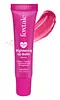
This brightening lip moisturizer is formulated around Tocopherol and Ascorbyl Palmitate to brighten dull-looking skin and hydrate lips.
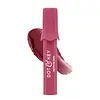
This lip moisturizer is formulated around Petrolatum and Butyrospermum Parkii Butter to hydrate lips.

What's inside
What's inside
 Key Ingredients
Benefits
Concerns
Ingredients Side-by-side
Hydrogenated Polyisobutene
EmollientDiisostearyl Malate
EmollientDisteardimonium Hectorite
StabilisingPropylene Carbonate
SolventOlive Oil Polyglyceryl-6 Esters
Emollient


Polyglyceryl-6 Pentaoleate
Emulsifying
Diethylamino Hydroxybenzoyl Hexyl Benzoate
UV Filter
Ethylhexyl Triazone
UV Absorber
Trihydroxystearin
Skin Conditioning
Cyclopentasiloxane
Emollient
Trimethylsiloxysilicate
Emollient
Aroma


Tocopherol
Antioxidant







Sodium Hyaluronate
Humectant
Ethylhexyl Palmitate
Emollient


Silica Dimethyl Silylate
EmollientButylene Glycol
Humectant
Pentylene Glycol
Skin Conditioning
Squalane
Emollient
Ascorbyl Palmitate
Antioxidant

Euterpe Oleracea Fruit Oil
Skin Conditioning
Rubus Idaeus Seed Oil
Emollient
Hydrolyzed Corn Starch
HumectantLauryl Laurate
Skin Conditioning
Methyl Diisopropyl Propionamide
MaskingEthyl Menthane Carboxamide
TonicMenthyl Lactate
Masking
Caffeine
Skin Conditioning
Hydrated Silica
Abrasive
Palmitoyl Tripeptide-1
Skin Conditioning

Tribehenin
Emollient
Sorbitan Isostearate
Emulsifying
Rebaudioside A
Skin ConditioningStevioside
MaskingPentaerythrityl Tetra-Di-T-Butyl Hydroxyhydrocinnamate
Antioxidant
Hydrogenated Polyisobutene, Diisostearyl Malate, Disteardimonium Hectorite, Propylene Carbonate, Olive Oil Polyglyceryl-6 Esters, Polyglyceryl-6 Pentaoleate, Diethylamino Hydroxybenzoyl Hexyl Benzoate, Ethylhexyl Triazone, Trihydroxystearin, Cyclopentasiloxane, Trimethylsiloxysilicate, Aroma, Tocopherol, Sodium Hyaluronate, Ethylhexyl Palmitate, Silica Dimethyl Silylate, Butylene Glycol, Pentylene Glycol, Squalane, Ascorbyl Palmitate, Euterpe Oleracea Fruit Oil, Rubus Idaeus Seed Oil, Hydrolyzed Corn Starch, Lauryl Laurate, Methyl Diisopropyl Propionamide, Ethyl Menthane Carboxamide, Menthyl Lactate, Caffeine, Hydrated Silica, Palmitoyl Tripeptide-1, Tribehenin, Sorbitan Isostearate, Rebaudioside A, Stevioside, Pentaerythrityl Tetra-Di-T-Butyl Hydroxyhydrocinnamate
Hydrogenated Polyisobutene
EmollientDiisostearyl Malate
EmollientPetrolatum
Emollient
Octyldodecanol
Emollient
Synthetic Wax
Abrasive
Ethylhexyl Methoxycinnamate
UV Absorber
Mangifera Indica Seed Butter
Skin Conditioning
Diethylamino Hydroxybenzoyl Hexyl Benzoate
UV Filter
Butyrospermum Parkii Butter
Skin Conditioning
Ozokerite
Emulsion StabilisingParaffin
Skin Conditioning
Cera Microcristallina
Emulsion StabilisingBis-Diglyceryl Polyacyladipate-2
Emollient
Aroma
Hydrogenated Vegetable Oil
Emollient
Stearyl Stearate
Emollient
Stearic Acid
Cleansing
Kojic Dipalmitate
Emollient
Stearyl Dimethicone
Emollient
Octadecene
SolventPropylene Glycol Dibenzoate
Skin ConditioningCaprylic/Capric Triglyceride
Masking
Glycerin
Humectant
Isohexadecane
EmollientEthylene/Propylene/Styrene Copolymer
Butylene/Ethylene/Styrene Copolymer
Sodium Hyaluronate
Humectant
Xanthan Gum
EmulsifyingPhenoxyethanol
Preservative
Tripeptide-1
Skin Conditioning
Ascorbyl Palmitate
Antioxidant
Tocopheryl Acetate
Antioxidant
Persea Gratissima Oil
Skin Conditioning
Mica
Cosmetic ColorantVp/Hexadecene Copolymer
Pentaerythrityl Tetra-Di-T-Butyl Hydroxyhydrocinnamate
Antioxidant
BHT
Antioxidant
CI 19140
Cosmetic ColorantCI 77891
Cosmetic ColorantCI 15850
Cosmetic ColorantCI 77491
Cosmetic ColorantHydrogenated Polyisobutene, Diisostearyl Malate, Petrolatum, Octyldodecanol, Synthetic Wax, Ethylhexyl Methoxycinnamate, Mangifera Indica Seed Butter, Diethylamino Hydroxybenzoyl Hexyl Benzoate, Butyrospermum Parkii Butter, Ozokerite, Paraffin, Cera Microcristallina, Bis-Diglyceryl Polyacyladipate-2, Aroma, Hydrogenated Vegetable Oil, Stearyl Stearate, Stearic Acid, Kojic Dipalmitate, Stearyl Dimethicone, Octadecene, Propylene Glycol Dibenzoate, Caprylic/Capric Triglyceride, Glycerin, Isohexadecane, Ethylene/Propylene/Styrene Copolymer, Butylene/Ethylene/Styrene Copolymer, Sodium Hyaluronate, Xanthan Gum, Phenoxyethanol, Tripeptide-1, Ascorbyl Palmitate, Tocopheryl Acetate, Persea Gratissima Oil, Mica, Vp/Hexadecene Copolymer, Pentaerythrityl Tetra-Di-T-Butyl Hydroxyhydrocinnamate, BHT, CI 19140, CI 77891, CI 15850, CI 77491
Ingredients Explained
These ingredients are found in both products.
Ingredients higher up in an ingredient list are typically present in a larger amount.
Aroma refers to an ingredient, or mixture of ingredients, that impart or mask a flavor.
The name is slightly confusing. This is because INCI associates aroma with flavor instead of smell.
Here is the official definition from the The International Cosmetic Ingredient Dictionary and Handbook:
“Aroma is a term for ingredient labeling used to identify that a product contains a material or combination of materials normally added to a cosmetic to produce or to mask a particular flavor.”
INCI shows the only purpose of aroma to be "flavouring".
However, due to regulation differences, some companies may use aroma in place of parfum.
In Canada, this ingredient only has to be listed in concentrations above 1%.
Learn more about AromaAscorbyl Palmitate is a fat-soluble form of vitamin C (Ascorbic Acid) made by combining it with palmitic acid.
It is able to blend easily into creams and oil-based formulas because it dissolves in oils rather than water.
As you may know, regular vitamin C is notorious for breaking down when exposed to sunlight and air. Ascorbyl Palmitate is more stable and degrades at a slower rate.
Research on whether it converts efficiently into active vitamin C once it's applied on your skin is still limited.
Some in-vitro studies suggest it may support collagen production, but it is not considered one of the stronger vitamin C derivatives, like:
Due to the palmitic acid base, this ingredient may not be fungal acne safe. Comedogenic studies have also shown this ingredient to have a rating of 2.
It's also worth keeping in mind that comedogenic and irritancy ratings are tested on individual ingredients, not finished formulas. The final product's formulation, concentration, and other ingredients all play a role in how something actually behaves on your skin.
Learn more about Ascorbyl PalmitateDiethylamino Hydroxybenzoyl Hexyl Benzoate (DHHB) is a chemical UV-A absorber. It is formulated for high UVA protection (320-400 nm).
DHHB is well-liked for:
DHHB has been approved by the EU, Japan, Taiwan, and South America for use up to 10%. Unfortunately, it has not been approved for use in the US or Canada due to slow regulatory processes.
This ingredient is soluble in oils, fats, and lipids.
Learn more about Diethylamino Hydroxybenzoyl Hexyl BenzoateDiisostearyl Malate is an emollient and most often used in lip products. It comes from isostearyl alcohol, a fatty acid, and malic acid, an AHA.
As an emollient, Diisostearyl Malate helps create a thin film on your skin to trap moisture in. This helps keep your skin soft and smooth.
Hydrogenated Polyisobutene is a synthetic polymer. Polymers are compounds with high molecular weight. Hydrogenated Polyisobutene is an emollient and texture enhancer.
In one study, Hydrogenated Polyisobutene showed better skin hydration levels than Caprylic/Capric Triglyceride. As an emollient, it helps keep your skin soft and hydrated by trapping moisture in.
Hydrogenated Polyisobutene is often used as a mineral oil replacement.
Learn more about Hydrogenated PolyisobutenePentaerythrityl Tetra-Di-T-Butyl Hydroxyhydrocinnamate (long name, huh?) is a synthetic antioxidant.
It is used to help stabilize other antioxidants or prevent the color from changing in a product.
As an antioxidant, it helps fight free-radical molecules. Free-radical molecules are capable of damaging our cells and other genetic material. Thus, antioxidants may reduce the signs of aging.
This ingredient is oil-soluble.
Learn more about Pentaerythrityl Tetra-Di-T-Butyl HydroxyhydrocinnamateSodium Hyaluronate is the salt form of hyaluronic acid. It is a long sugar chain that is naturally found in your skin, joints, and connective tissue that maintains hydration and elasticity.
In skincare, it works as a humectant. It pulls water from the environment and deeper layers of skin and binds it to the surface.
Interestingly, the size of the molecule affects its behavior:
Some clinical evidence links low molecular weight versions to improved wrinkle depth, elasticity, anti-inflammatory effects, and barrier repair.
Many serums use a blend of both weights so you can get surface hydration plus longer-lasting and deeper effects.
You'll typically see concentrations between 0.1-2% for this ingredient.
Learn more about Sodium Hyaluronate

