
What's inside
What's inside
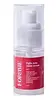 Key Ingredients
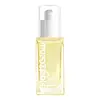
Benefits
Concerns
No concerns
Ingredients Side-by-side
Niacinamide
Smoothing










Glycerin
Humectant
Squalane
Emollient
Centella Asiatica Extract
Cleansing
Salicylic Acid
Masking




Amylopectin
Dextrin
AbsorbentSodium Polyacryloyldimethyl Taurate
Emulsion StabilisingHexylresorcinol
Antimicrobial
Tranexamic Acid
Astringent
Ectoin
Skin Conditioning
Collagen
Moisturising
Calendula Officinalis Flower Extract
Masking
Phenoxyethanol
Preservative
Vitis Vinifera Seed Extract
Antimicrobial
Rosmarinus Officinalis Extract
AntimicrobialHydrogenated Polydecene
EmollientXanthan Gum
EmulsifyingSodium Lauroyl Lactylate
EmulsifyingSodium Hyaluronate
Humectant
Allantoin
Skin Conditioning
Trideceth-10
CleansingCeramide NP
Skin Conditioning
Ceramide AP
Skin Conditioning
Phytosphingosine
Skin Conditioning
Cholesterol
Emollient
Carbomer
Emulsion StabilisingEthylhexylglycerin
Skin ConditioningCeramide EOP
Skin Conditioning
Niacinamide, Glycerin, Squalane, Centella Asiatica Extract, Salicylic Acid, Amylopectin, Dextrin, Sodium Polyacryloyldimethyl Taurate, Hexylresorcinol, Tranexamic Acid, Ectoin, Collagen, Calendula Officinalis Flower Extract, Phenoxyethanol, Vitis Vinifera Seed Extract, Rosmarinus Officinalis Extract, Hydrogenated Polydecene, Xanthan Gum, Sodium Lauroyl Lactylate, Sodium Hyaluronate, Allantoin, Trideceth-10, Ceramide NP, Ceramide AP, Phytosphingosine, Cholesterol, Carbomer, Ethylhexylglycerin, Ceramide EOP
Water
Skin ConditioningDipropylene Glycol
HumectantPEG/PPG-17/6 Copolymer
SolventPEG/PPG/Polybutylene Glycol-8/5/3 Glycerin
HumectantPropolis Extract
Skin Conditioning
Sodium Hyaluronate
Humectant
Sodium Acetylated Hyaluronate
Humectant
Hydrolyzed Sodium Hyaluronate
Skin Conditioning
Sodium Hyaluronate Crosspolymer
Humectant
Honey Extract
Humectant
Centella Asiatica Extract
Cleansing
Ceramide EOP
Skin Conditioning
Ceramide Ns
Skin Conditioning
Ceramide Ng
Skin Conditioning
Ceramide AP
Skin Conditioning
Hydrogenated Lecithin
Emulsifying
Ceramide As
Skin Conditioning
Ceramide NP
Skin Conditioning
Panthenol
Skin Conditioning
Allantoin
Skin Conditioning
Pullulan
Ethylhexylglycerin
Skin ConditioningHydroxyethylcellulose
Emulsion StabilisingGlycerin
Humectant
Trehalose
Humectant
Sophora Flavescens Root Extract
Antioxidant
Opuntia Ficus-Indica Stem Extract
Skin Conditioning
Ophiopogon Japonicus Root Extract
Skin ConditioningPentylene Glycol
Skin Conditioning1,2-Hexanediol
Skin Conditioning
Disodium EDTA
Butylene Glycol
Humectant
Sodium Acetate
BufferingCellulose
AbsorbentGentiana Scabra Extract
HumectantWater, Dipropylene Glycol, PEG/PPG-17/6 Copolymer, PEG/PPG/Polybutylene Glycol-8/5/3 Glycerin, Propolis Extract, Sodium Hyaluronate, Sodium Acetylated Hyaluronate, Hydrolyzed Sodium Hyaluronate, Sodium Hyaluronate Crosspolymer, Honey Extract, Centella Asiatica Extract, Ceramide EOP, Ceramide Ns, Ceramide Ng, Ceramide AP, Hydrogenated Lecithin, Ceramide As, Ceramide NP, Panthenol, Allantoin, Pullulan, Ethylhexylglycerin, Hydroxyethylcellulose, Glycerin, Trehalose, Sophora Flavescens Root Extract, Opuntia Ficus-Indica Stem Extract, Ophiopogon Japonicus Root Extract, Pentylene Glycol, 1,2-Hexanediol, Disodium EDTA, Butylene Glycol, Sodium Acetate, Cellulose, Gentiana Scabra Extract
Reviews
Ingredients Explained
These ingredients are found in both products.
Ingredients higher up in an ingredient list are typically present in a larger amount.
Allantoin is a soothing ingredient known for its protective and moisturizingg properties. Because of this, it is often added to products with strong active ingredients.
Studies show higher concentrations of this ingredient can promote wound healing.
Though it can be derived from the comfrey plant, allantoin is produced synthetically for cosmetic products to ensure purity.
Learn more about AllantoinCentella Asiatica Extract (Centella) is derived from an herb native to Southeast Asia. It is famous for its anti-inflammatory and soothing properties.
Centella is rich in antioxidants and amino acids, such as Madecassic Acid and Asiaticoside.
Studies show the compounds in centella help with:
The combination of all these properties makes centella effective at soothing, hydrating, and protecting the skin.
Other great components of centella include Vitamin A, vitamin C, several B vitamins, and Asiatic Acid.
Fun fact: Centella has been used as a medicine and in food for many centuries. As a medicine, it is used to treat burns, scratches, and wounds.
Learn more about Centella Asiatica ExtractCeramide AP is formally known as Ceramide 6.
Ceramides are intercellular lipids naturally found in our skin that bonds dead skin cells together to create a barrier. Having a strong skin barrier leads to more firm and hydrated skin.
They are known for their ability to hold water and thus are a great ingredient for dry skin. By bolstering the skin ceramides act as a barrier against irritating ingredients. This can help with inflammation as well.
If you would like to eat ceramides, sweet potatoes contain a small amount.
Read more about other common types of ceramides here:
Ceramide NP
Ceramide EOP
Ceramide EOP is formally known as Ceramide 1 and Ceramide 1 A.
EOP stands for a linked Ester fatty acid, a linked Omega hydroxy fatty acid, and the Phytosphingosine base.
Ceramides are intercellular lipids naturally found in our skin. They bind dead skin cells together to create a barrier. The ceramides in our skin have the ability to hold water to keep our skin hydrated.
Ceramides are an important building block for our skin barrier. A strong skin barrier helps with:
If you would like to eat ceramides, sweet potatoes contain a small amount.
Read more about other common types of ceramides here:
Learn more about Ceramide EOPCeramide NP is a type of ceramide and formally known as ceramide 3.
Ceramides are intercellular lipids naturally found in our skin that bonds dead skin cells together to create a barrier. They are known for their ability to hold water and thus are a great ingredient for dry skin.
Ceramides are an important building block for our skin barrier. A stronger barrier helps the skin look more firm and hydrated. By bolstering the skin ceramides act as a barrier against irritating ingredients. This can help with inflammation as well.
If you would like to eat ceramides, sweet potatoes contain a small amount.
Read more about other common types of ceramides here:
Ceramide AP
Ceramide EOP
Ethylhexylglycerin (we can't pronounce this either) is commonly used as a preservative and skin softener. It is derived from glyceryl.
You might see Ethylhexylglycerin often paired with other preservatives such as phenoxyethanol. Ethylhexylglycerin has been found to increase the effectiveness of these other preservatives.
Glycerin is already naturally found in your skin. It helps moisturize and protect your skin.
A study from 2016 found glycerin to be more effective as a humectant than AHAs and hyaluronic acid.
As a humectant, it helps the skin stay hydrated by pulling moisture to your skin. The low molecular weight of glycerin allows it to pull moisture into the deeper layers of your skin.
Hydrated skin improves your skin barrier; Your skin barrier helps protect against irritants and bacteria.
Glycerin has also been found to have antimicrobial and antiviral properties. Due to these properties, glycerin is often used in wound and burn treatments.
In cosmetics, glycerin is usually derived from plants such as soybean or palm. However, it can also be sourced from animals, such as tallow or animal fat.
This ingredient is organic, colorless, odorless, and non-toxic.
Glycerin is the name for this ingredient in American English. British English uses Glycerol/Glycerine.
Learn more about GlycerinSodium Hyaluronate is hyaluronic acid's salt form. It is commonly derived from the sodium salt of hyaluronic acid.
Like hyaluronic acid, it is great at holding water and acts as a humectant. This makes it a great skin hydrating ingredient.
Sodium Hyaluronate is naturally occurring in our bodies and is mostly found in eye fluid and joints.
These are some other common types of Hyaluronic Acid:
Learn more about Sodium Hyaluronate
