

What's inside
What's inside
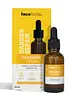 Key Ingredients
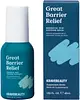
Benefits
Concerns
Ingredients Side-by-side
Water
Skin ConditioningButylene Glycol
Humectant
Sorbeth-30
Emulsifying
Betaine
Humectant


Ceramide NP
Skin Conditioning

Ceramide AP
Skin Conditioning
Ceramide EOP
Skin Conditioning
Sodium Hyaluronate
Humectant
Allantoin
Skin Conditioning

Panthenol
Skin Conditioning
Glycosphingolipids
Emollient1,2-Hexanediol
Skin Conditioning
Hydroxyacetophenone
Antioxidant
Carbomer
Emulsion StabilisingAminomethyl Propanol
BufferingXanthan Gum
EmulsifyingPEG-40 Hydrogenated Castor Oil
Emulsifying
Disodium EDTA
Cyclohexane
SolventParfum
Masking


Phosphatidylcholine
EmulsifyingSodium Lauroyl Lactylate
EmulsifyingPhenoxyethanol
Preservative
Sodium Stearoyl Glutamate
CleansingPhytosphingosine
Skin Conditioning
Cholesterol
Emollient
Ethylhexylglycerin
Skin ConditioningHexyl Cinnamal
Perfuming

Limonene
Perfuming
Water, Butylene Glycol, Sorbeth-30, Betaine, Ceramide NP, Ceramide AP, Ceramide EOP, Sodium Hyaluronate, Allantoin, Panthenol, Glycosphingolipids, 1,2-Hexanediol, Hydroxyacetophenone, Carbomer, Aminomethyl Propanol, Xanthan Gum, PEG-40 Hydrogenated Castor Oil, Disodium EDTA, Cyclohexane, Parfum, Phosphatidylcholine, Sodium Lauroyl Lactylate, Phenoxyethanol, Sodium Stearoyl Glutamate, Phytosphingosine, Cholesterol, Ethylhexylglycerin, Hexyl Cinnamal, Limonene
Water
Skin ConditioningPropanediol
Solvent
Calophyllum Inophyllum Seed Oil 10%
Antimicrobial
Dipropylene Glycol
HumectantNiacinamide
Smoothing




Carthamus Tinctorius Seed Oil
Masking
Cetearyl Olivate
Polysorbate 60
Emulsifying
Rosa Canina Fruit Oil
Emollient
Glyceryl Oleate
Emollient
Sorbitan Olivate
Emulsifying
Sorbitan Oleate
Emulsifying
Octyldodecanol
Emollient
Glycerin
Humectant
Butylene Glycol
Humectant
Sodium Hyaluronate
Humectant
Squalane
Emollient
Serine
Masking
Acetyl Glutamine
Skin ConditioningGlycine
Buffering
Ceramide NP
Skin Conditioning
Oleic Acid
Emollient
Sodium PCA
Humectant
Glycosyl Trehalose
Emulsion StabilisingCaprylic/Capric Triglyceride
Masking
Glycine Soja Sterols
Emollient
Saccharide Isomerate
Humectant
Avena Sativa Kernel Flour
Abrasive

Disodium Phosphate
BufferingSodium Phosphate
BufferingTocopheryl Acetate
Antioxidant
Coco-Caprylate/Caprate
Emollient
Lactic Acid
Buffering
Xanthan Gum
EmulsifyingUrea
Buffering
Hydroxyethyl Acrylate/Sodium Acryloyldimethyl Taurate Copolymer
Emulsion StabilisingHydrogenated Olive Oil Unsaponifiables
Emollient
Magnesium Chloride
1,2-Hexanediol
Skin Conditioning
Hydroxyacetophenone
Antioxidant
Glyceryl Caprylate
EmollientPentylene Glycol
Skin ConditioningCaprylyl Glycol
Emollient
Disodium EDTA
Water, Propanediol, Calophyllum Inophyllum Seed Oil 10%, Dipropylene Glycol, Niacinamide, Carthamus Tinctorius Seed Oil, Cetearyl Olivate, Polysorbate 60, Rosa Canina Fruit Oil, Glyceryl Oleate, Sorbitan Olivate, Sorbitan Oleate, Octyldodecanol, Glycerin, Butylene Glycol, Sodium Hyaluronate, Squalane, Serine, Acetyl Glutamine, Glycine, Ceramide NP, Oleic Acid, Sodium PCA, Glycosyl Trehalose, Caprylic/Capric Triglyceride, Glycine Soja Sterols, Saccharide Isomerate, Avena Sativa Kernel Flour, Disodium Phosphate, Sodium Phosphate, Tocopheryl Acetate, Coco-Caprylate/Caprate, Lactic Acid, Xanthan Gum, Urea, Hydroxyethyl Acrylate/Sodium Acryloyldimethyl Taurate Copolymer, Hydrogenated Olive Oil Unsaponifiables, Magnesium Chloride, 1,2-Hexanediol, Hydroxyacetophenone, Glyceryl Caprylate, Pentylene Glycol, Caprylyl Glycol, Disodium EDTA
Reviews
Ingredients Explained
These ingredients are found in both products.
Ingredients higher up in an ingredient list are typically present in a larger amount.
1,2-Hexanediol is a synthetic liquid and another multi-functional powerhouse.
It is a:
- Humectant, drawing moisture into the skin
- Emollient, helping to soften skin
- Solvent, dispersing and stabilizing formulas
- Preservative booster, enhancing the antimicrobial activity of other preservatives
Butylene Glycol (or BG) is used within cosmetic products for a few different reasons:
Overall, Butylene Glycol is a safe and well-rounded ingredient that works well with other ingredients.
Though this ingredient works well with most skin types, some people with sensitive skin may experience a reaction such as allergic rashes, closed comedones, or itchiness.
Learn more about Butylene GlycolCeramide NP is a type of ceramide and formally known as ceramide 3.
Ceramides are intercellular lipids naturally found in our skin that bonds dead skin cells together to create a barrier. They are known for their ability to hold water and thus are a great ingredient for dry skin.
Ceramides are an important building block for our skin barrier. A stronger barrier helps the skin look more firm and hydrated. By bolstering the skin ceramides act as a barrier against irritating ingredients. This can help with inflammation as well.
If you would like to eat ceramides, sweet potatoes contain a small amount.
Read more about other common types of ceramides here:
Ceramide AP
Ceramide EOP
Disodium EDTA plays a role in making products more stable by aiding other preservatives.
It is a chelating agent, meaning it neutralizes metal ions that may be found in a product.
Disodium EDTA is a salt of edetic acid and is found to be safe in cosmetic ingredients.
Learn more about Disodium EDTAHydroxyacetophenone is antioxidant with skin conditioning and soothing properties. It also boosts the efficiency of preservatives.
This ingredient is not irritating or sensitizing.
Sodium Hyaluronate is hyaluronic acid's salt form. It is commonly derived from the sodium salt of hyaluronic acid.
Like hyaluronic acid, it is great at holding water and acts as a humectant. This makes it a great skin hydrating ingredient.
Sodium Hyaluronate is naturally occurring in our bodies and is mostly found in eye fluid and joints.
These are some other common types of Hyaluronic Acid:
Learn more about Sodium HyaluronateWater. It's the most common cosmetic ingredient of all. You'll usually see it at the top of ingredient lists, meaning that it makes up the largest part of the product.
So why is it so popular? Water most often acts as a solvent - this means that it helps dissolve other ingredients into the formulation.
You'll also recognize water as that liquid we all need to stay alive. If you see this, drink a glass of water. Stay hydrated!
Learn more about WaterXanthan gum is used as a stabilizer and thickener within cosmetic products. It helps give products a sticky, thick feeling - preventing them from being too runny.
On the technical side of things, xanthan gum is a polysaccharide - a combination consisting of multiple sugar molecules bonded together.
Xanthan gum is a pretty common and great ingredient. It is a natural, non-toxic, non-irritating ingredient that is also commonly used in food products.
Learn more about Xanthan Gum
