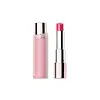
This barrier-repair lip moisturizer is formulated around Bis-Diglyceryl Polyacyladipate-2 and Caprylic/Capric Triglyceride to strengthen the lip barrier and hydrate lips.
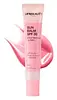
This barrier-repair lip moisturizer is formulated around Squalane and Tetrahexyldecyl Ascorbate to strengthen the lip barrier and hydrate lips.


What's inside
What's inside
 Key Ingredients
Benefits
Concerns
Ingredients Side-by-side
Hydrogenated Polyisobutene
EmollientDiisostearyl Malate
EmollientHydrogenated Castor Oil Dimer Dilinoleate
Skin Conditioning


Bis-Diglyceryl Polyacyladipate-2
Emollient
Caprylic/Capric Triglyceride
Masking

Synthetic Wax
Abrasive

Polyglyceryl-2 Triisostearate
Emulsifying
Butyrospermum Parkii Butter
Skin Conditioning

Silica Dimethyl Silylate
EmollientOctyldodecanol
Emollient
Ethylene/Propylene Copolymer
Abrasive
Polyamide-8
EmollientEuphorbia Cerifera Wax
Butyrospermum Parkii Butter Unsaponifiables
Skin Conditioning
CI 77891
Cosmetic ColorantPolyhydroxystearic Acid
Emulsifying
Dimethicone
Emollient

Parfum
Masking


Lecithin
Emollient
CI 15850
Cosmetic ColorantCI 19140
Cosmetic ColorantEthylhexyl Palmitate
Emollient
Isostearic Acid
Cleansing
Isopropyl Myristate
Emollient
Polyglyceryl-3 Polyricinoleate
Emulsifying
CI 73360
Cosmetic ColorantCI 45410
Cosmetic ColorantPentaerythrityl Tetra-Di-T-Butyl Hydroxyhydrocinnamate
Antioxidant
Lactobacillus Ferment Lysate
Skin Conditioning
Ascorbic Acid
Antioxidant




Tocopherol
Antioxidant
Propanediol
Solvent
Glycerin
Humectant
Acacia Senegal Gum
MaskingCurcuma Longa Root Extract
Antioxidant
Maltodextrin
Absorbent
1,2-Hexanediol
Skin Conditioning
Ethylhexylglycerin
Skin ConditioningHydrogenated Polyisobutene, Diisostearyl Malate, Hydrogenated Castor Oil Dimer Dilinoleate, Bis-Diglyceryl Polyacyladipate-2, Caprylic/Capric Triglyceride, Synthetic Wax, Polyglyceryl-2 Triisostearate, Butyrospermum Parkii Butter, Silica Dimethyl Silylate, Octyldodecanol, Ethylene/Propylene Copolymer, Polyamide-8, Euphorbia Cerifera Wax, Butyrospermum Parkii Butter Unsaponifiables, CI 77891, Polyhydroxystearic Acid, Dimethicone, Parfum, Lecithin, CI 15850, CI 19140, Ethylhexyl Palmitate, Isostearic Acid, Isopropyl Myristate, Polyglyceryl-3 Polyricinoleate, CI 73360, CI 45410, Pentaerythrityl Tetra-Di-T-Butyl Hydroxyhydrocinnamate, Lactobacillus Ferment Lysate, Ascorbic Acid, Tocopherol, Propanediol, Glycerin, Acacia Senegal Gum, Curcuma Longa Root Extract, Maltodextrin, 1,2-Hexanediol, Ethylhexylglycerin
Zinc Oxide 13.5%
Cosmetic Colorant


Diisostearyl Malate
EmollientPolybutene
Hydrogenated Polyisobutene
EmollientButyloctyl Salicylate
Skin Conditioning
Caprylic/Capric Triglyceride
Masking
Microcrystalline Wax
Emulsion StabilisingSilica Dimethyl Silylate
EmollientBis-Diglyceryl Polyacyladipate-2
Emollient
Sorbitan Olivate
Emulsifying
Isononyl Isononanoate
EmollientSqualane
Emollient
Simmondsia Chinensis Seed Oil
Emollient
Mangifera Indica Seed Butter
Skin Conditioning
Butyrospermum Parkii Butter
Skin Conditioning
Tetrahexyldecyl Ascorbate
Antioxidant
Rosa Canina Fruit Oil
Emollient
Bisabolol
Antioxidant
Sorbitan Isostearate
Emulsifying
Isostearic Acid
Cleansing
Polyglyceryl-3 Polyricinoleate
Emulsifying
Polyhydroxystearic Acid
Emulsifying
Vp/Hexadecene Copolymer
Dehydroacetic Acid
Preservative
Lecithin
Emollient
CI 77891
Cosmetic ColorantCI 77492
Cosmetic ColorantCI 77491
Cosmetic ColorantCI 77499
Cosmetic ColorantCI 19140
Cosmetic ColorantCI 15850
Cosmetic ColorantTocopherol
Antioxidant
Menthone Glycerin Acetal
Refreshing
Aroma
Zinc Oxide 13.5%, Diisostearyl Malate, Polybutene, Hydrogenated Polyisobutene, Butyloctyl Salicylate, Caprylic/Capric Triglyceride, Microcrystalline Wax, Silica Dimethyl Silylate, Bis-Diglyceryl Polyacyladipate-2, Sorbitan Olivate, Isononyl Isononanoate, Squalane, Simmondsia Chinensis Seed Oil, Mangifera Indica Seed Butter, Butyrospermum Parkii Butter, Tetrahexyldecyl Ascorbate, Rosa Canina Fruit Oil, Bisabolol, Sorbitan Isostearate, Isostearic Acid, Polyglyceryl-3 Polyricinoleate, Polyhydroxystearic Acid, Vp/Hexadecene Copolymer, Dehydroacetic Acid, Lecithin, CI 77891, CI 77492, CI 77491, CI 77499, CI 19140, CI 15850, Tocopherol, Menthone Glycerin Acetal, Aroma
Reviews
Ingredients Explained
These ingredients are found in both products.
Ingredients higher up in an ingredient list are typically present in a larger amount.
Bis-Diglyceryl Polyacyladipate-2 is a synthetic emollient that works as a lanolin substitute.
This ingredient is a great vegan option for those avoiding animal-derived ingredients.
It mostly stays on the surface of skin where it helps hydrate due to its large molecular size and low water solubility.
Due to it being derived from fatty acids, this ingredient may not be Malassezia or fungal acne safe.
Learn more about Bis-Diglyceryl Polyacyladipate-2This ingredient is also known as shea butter. It is a plant-derived extract from the nuts of the Africa shea tree and one of the most well-studied emollients.
Because it has a high concentration of fatty acids (primarily oleic, stearic, and linoleic) it is able to form a protective barrier on the skin's surface. This helps seal in moisture and prevents transepidermal water loss (TEWL).
In vitro research found an increase in skin hydration by 58% and a decrease in TEWL by 37.8% after 24 hours of applying this ingredient (pretty impressive for a single ingredient!).
Besides hydration, shea butter also contains triterpenes that have anti-inflammatory potential. In particule, lupeol cinnamate has shown the highest anti-inflammatory activity in vivo.
Shea butter also contains vitamins A and E which may contribute to antioxidant activity.
While Shea Butter has an SPF rating of about 3-4, it is not a sunscreen replacement.
This ingredient may not be fungal acne safe because its fatty acids fall within the C11-C24 range that the Malassezia yeast can metabolize.
This ingredient shows up on a lot of "pore-clogging" lists but there's no real evidence behind that. It doesn't even have a comedogenic rating from an actual study; the numbers you'll find online come from blogs citing other blogs.
Ratings for other ingredients mostly come from a 1980s rabbit ear test. This test doesn't translate well to human skin or to real products because the ingredient sits at a much lower percentage.
Some people still find it breaks them out. So if that's you, definitely trust your skin. Just know this one's based on experience and not evidence.
Learn more about Butyrospermum Parkii ButterCaprylic/Capric Triglyceride (aka MCT Oil) is a lightweight emollient, solvent, and texture enhancer. It is considered a skin-softener by helping to prevent moisture loss.
Though it behaves like an oil, it is not technically one due to its chemical composition. One perk of this ingredient is that it is very stable, resistant to oxidation, and unlikely to go rancid.
In practice, that translates to a long shelf life and a consistently elegant skin feel.
While there is an assumption Caprylic Triglyceride can clog pores due to it being derived from coconut oil, there is no research supporting this. Just patch test if you have concerns.
Fractionated coconut oil and MCT Oil are both listed as Caprylic/Capric Triglyceride according to INCI. This is because INCI names are based on the ingredient’s final chemical composition and not its marketing name or source.
This ingredient is treated as the gold standard fungal acne safe oil. Even though it is coconut derived, the problematic lauric acid is stripped out.
This leaves just caprylic (C8) and capric (C10) acid. These chain lengths actually trend antifungal; a 2020 study found caprylic acid was enough to disrupt Malassezia furfur cell membrane, with a caprylic acid derivative damaging membrane structures at concentrations as low as 0.2%.
Learn more about Caprylic/Capric TriglycerideCi 15850 is the pigment color red. It is an azo dye and created synthetically.
Azo dyes need to be thoroughly purified before use. This allows them to be more stable and longer-lasting.
This ingredient is common in foundations, lipsticks, and blushes. This color is described as brown/orangey red.
It has many secondary names such as Red 6 and Red 7. According to a manufacturer, Red 6 usually contains aluminum.
Learn more about CI 15850CI 19140 is also known as Tartrazine. Tartrazine is a synthetic dye used in cosmetics, foods, and medicine to add a yellow color.
Tartrazine is created from petroleum and is water-soluble.
Some people may experience allergies from this dye, especially asthmatics and those with an aspirin intolerance.
Learn more about CI 19140Ci 77891 is a white pigment from Titanium dioxide. It is naturally found in minerals such as rutile and ilmenite.
It's main function is to add a white color to cosmetics. It can also be mixed with other colors to create different shades.
Ci 77891 is commonly found in sunscreens due to its ability to block UV rays.
Learn more about CI 77891Diisostearyl Malate is an emollient and most often used in lip products. It comes from isostearyl alcohol, a fatty acid, and malic acid, an AHA.
As an emollient, Diisostearyl Malate helps create a thin film on your skin to trap moisture in. This helps keep your skin soft and smooth.
Hydrogenated Polyisobutene is a synthetic polymer. Polymers are compounds with high molecular weight. Hydrogenated Polyisobutene is an emollient and texture enhancer.
In one study, Hydrogenated Polyisobutene showed better skin hydration levels than Caprylic/Capric Triglyceride. As an emollient, it helps keep your skin soft and hydrated by trapping moisture in.
Hydrogenated Polyisobutene is often used as a mineral oil replacement.
Learn more about Hydrogenated PolyisobuteneIsostearic Acid is a fatty acid and a structural cousin of stearic acid. It is an emulsifier.
The branched structure of this ingredient enhances fluidity and gives it a lighter, less greasy feel compared to other fatty acids. It helps improve texture and consistency because it prevents oil and water phases from separating.
This ingredient is sourced from plant-based oils like soybean or rapeseed.
Clinical studies found no signs of irritation from this ingredient.
Since Isostearic Acid is an 18-carbon fatty acid, it is in the range that Malassezia can feed on. This ingredient may not be fungal acne safe.
You might have seen sources that this ingredient is comedogenic. The original comedogenic testing on rabbit ear actually tested the ester, Isopropyl Isostearate and not Isostearic acid itself.
Any finished product with this ingredient won't automatically make you break out; it really comes down to concentration, formula, and your skin.
Because isostearic acid is a C18 fatty acid, this ingredient may not be fungal acne safe. The Malassezia yeast metabolizes fatty acids in the C11-24 range.
Learn more about Isostearic AcidLecithin is a term for a group of substances found in the cell membranes of plants, animals, and humans. They are made up of phospholipids.
Thanks to its amphiphilic structure (water-loving head and oil-loving tail), it is a true multitasker:
It plays well with most ingredients and is typically used at 0.1-1%. However, concentrations up to 50% have been reported in moisturizers.
Learn more about LecithinPolyglyceryl-3 Polyricinoleate is a plant-derived emulsifier made by combining glycerin and ricinoleic acid.
It works well for giving buttery lip balms and low-viscosity water-in-oil emulsions a non-greasy and pleasant skin feel.
Typical concentrations range from 0.1-3%.
This ingredient is mild and non-irritating in nature.
Because it is derived from ricinoleic acid, this ingredient may not be fungal acne safe. Ricinoleic acid is an unsaturated fatty acid that the Malassezia yeast can metabolize.
Learn more about Polyglyceryl-3 PolyricinoleatePolyhydroxystearic Acid is a vegetable-derived soft wax made from castor oil. It's an emulsion stabilizer, thickener, and film former.
You'll likely see it in sunscreens because it helps disperse pigments and UV-reflecting minerals like titanium dioxide and zinc oxide evenly.
Depending on the concentration, it can drastically change the texture of a product from pasty solid (like lipstick) to sprayable liquid.
The CIR Expert Panel for Cosmetic Ingredient Safety has concluded this ingredient to be safe in cosmetics. The highest reported use concentration is 14.2% in lipsticks.
Learn more about Polyhydroxystearic AcidThis silica is mainly used to thicken oils and suspend particles in oils. It is not water soluble.
According to the manufacturer, it:
The manufacturer also claims this ingredient to be useful in makeup.
In lipstick formulations, this ingredient improves color payoff, reduces pigment settling, and reduces oil bleeding. This ingredient also improves the grip of powder products such as dry shampoos.
Learn more about Silica Dimethyl SilylateTocopherol is a fat-soluble antioxidant known as Vitamin E.
You'll find this ingredient in the vast majority of skincare (for good reason). It works to neutralize free radicals, or unstable molecules generated by UV exposure, pollution, and other environmental stressors, before they can cause oxidative damage to your skin cells.
Topically applied tocopherol has been shown to protect against UV damage by ramping up the skin's own natural defense enzymes.
It also acts as a skin conditioning agent; some studies show that regular topical use can improve the skin's water-binding capacity over 2-4 weeks.
This ingredient is especially loved for being a team player. When combined with Vitamin C, the photoprotective effect of both ingredients roughly doubles and the combo also helps reduce UV-induced DNA damage.
This ingredient has some brightening potential but it's more of a prevention ingredient than spot-fader. Cell studies show it can slow down melanin production but it's worth noting that it's not the most powerful brightener out there.
In formulations, it also serves as a stabilizer that helps protect other oxidation-prone ingredients from degrading.
Concentrations usually range from 0.1-1% in most leave-on products.
Learn more about Tocopherol

