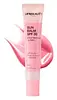
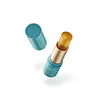
iNNBEAUTY PROJECT Sun Balm SPF 30 Broad Spectrum Lip Balm Versus KIKO Milano Sun Protection Lip Balm SPF 50
This barrier-repair lip moisturizer is formulated around Squalane and Tetrahexyldecyl Ascorbate to strengthen the lip barrier and hydrate lips.
This barrier-repair lip moisturizer is formulated around Tocopherol and Sodium Hyaluronate to strengthen the lip barrier and hydrate lips.


What's inside
What's inside
 Key Ingredients
Benefits
Concerns
Ingredients Side-by-side
Zinc Oxide 13.5%
Cosmetic Colorant


Diisostearyl Malate
EmollientPolybutene
Hydrogenated Polyisobutene
EmollientButyloctyl Salicylate
Skin Conditioning
Caprylic/Capric Triglyceride
Masking


Microcrystalline Wax
Emulsion StabilisingSilica Dimethyl Silylate
EmollientBis-Diglyceryl Polyacyladipate-2
Emollient

Sorbitan Olivate
Emulsifying
Isononyl Isononanoate
EmollientSqualane
Emollient
Simmondsia Chinensis Seed Oil
Emollient

Mangifera Indica Seed Butter
Skin Conditioning
Butyrospermum Parkii Butter
Skin Conditioning


Tetrahexyldecyl Ascorbate
Antioxidant





Rosa Canina Fruit Oil
Emollient
Bisabolol
Antioxidant
Sorbitan Isostearate
Emulsifying
Isostearic Acid
Cleansing
Polyglyceryl-3 Polyricinoleate
Emulsifying
Polyhydroxystearic Acid
Emulsifying
Vp/Hexadecene Copolymer
Dehydroacetic Acid
Preservative
Lecithin
Emollient
CI 77891
Cosmetic ColorantCI 77492
Cosmetic ColorantCI 77491
Cosmetic ColorantCI 77499
Cosmetic ColorantCI 19140
Cosmetic ColorantCI 15850
Cosmetic ColorantTocopherol
Antioxidant

Menthone Glycerin Acetal
Refreshing
Aroma


Zinc Oxide 13.5%, Diisostearyl Malate, Polybutene, Hydrogenated Polyisobutene, Butyloctyl Salicylate, Caprylic/Capric Triglyceride, Microcrystalline Wax, Silica Dimethyl Silylate, Bis-Diglyceryl Polyacyladipate-2, Sorbitan Olivate, Isononyl Isononanoate, Squalane, Simmondsia Chinensis Seed Oil, Mangifera Indica Seed Butter, Butyrospermum Parkii Butter, Tetrahexyldecyl Ascorbate, Rosa Canina Fruit Oil, Bisabolol, Sorbitan Isostearate, Isostearic Acid, Polyglyceryl-3 Polyricinoleate, Polyhydroxystearic Acid, Vp/Hexadecene Copolymer, Dehydroacetic Acid, Lecithin, CI 77891, CI 77492, CI 77491, CI 77499, CI 19140, CI 15850, Tocopherol, Menthone Glycerin Acetal, Aroma
Coco-Caprylate/Caprate
Emollient
Dicaprylyl Carbonate
EmollientBis-Ethylhexyloxyphenol Methoxyphenyl Triazine
UV Absorber
Dibutyl Lauroyl Glutamide
Skin ConditioningDiethylamino Hydroxybenzoyl Hexyl Benzoate
UV Filter
Diethylhexyl Butamido Triazone
UV Absorber
Ethylhexyl Triazone
UV Absorber
Dibutyl Ethylhexanoyl Glutamide
Skin ConditioningEthyl Vanillin
MaskingTocopherol
Antioxidant
Diethylhexyl Syringylidenemalonate
Skin Protecting
Ricinus Communis Seed Oil
Masking
Caprylic/Capric Triglyceride
Masking
Sodium Hyaluronate
Humectant
Haematococcus Pluvialis Extract
Antioxidant
Hydrogenated Castor Oil
Emollient
Maltodextrin
Absorbent
Lecithin
Emollient
Silica
Abrasive
Ascorbyl Palmitate
Antioxidant
Rosmarinus Officinalis Flower/Leaf/Stem Extract
MaskingCoco-Caprylate/Caprate, Dicaprylyl Carbonate, Bis-Ethylhexyloxyphenol Methoxyphenyl Triazine, Dibutyl Lauroyl Glutamide, Diethylamino Hydroxybenzoyl Hexyl Benzoate, Diethylhexyl Butamido Triazone, Ethylhexyl Triazone, Dibutyl Ethylhexanoyl Glutamide, Ethyl Vanillin, Tocopherol, Diethylhexyl Syringylidenemalonate, Ricinus Communis Seed Oil, Caprylic/Capric Triglyceride, Sodium Hyaluronate, Haematococcus Pluvialis Extract, Hydrogenated Castor Oil, Maltodextrin, Lecithin, Silica, Ascorbyl Palmitate, Rosmarinus Officinalis Flower/Leaf/Stem Extract
Reviews
Ingredients Explained
These ingredients are found in both products.
Ingredients higher up in an ingredient list are typically present in a larger amount.
Caprylic/Capric Triglyceride (aka MCT Oil) is a lightweight emollient, solvent, and texture enhancer. It is considered a skin-softener by helping to prevent moisture loss.
Though it behaves like an oil, it is not technically one due to its chemical composition. One perk of this ingredient is that it is very stable, resistant to oxidation, and unlikely to go rancid.
In practice, that translates to a long shelf life and a consistently elegant skin feel.
While there is an assumption Caprylic Triglyceride can clog pores due to it being derived from coconut oil, there is no research supporting this. Just patch test if you have concerns.
Fractionated coconut oil and MCT Oil are both listed as Caprylic/Capric Triglyceride according to INCI. This is because INCI names are based on the ingredient’s final chemical composition and not its marketing name or source.
This ingredient is treated as the gold standard fungal acne safe oil. Even though it is coconut derived, the problematic lauric acid is stripped out.
This leaves just caprylic (C8) and capric (C10) acid. These chain lengths actually trend antifungal; a 2020 study found caprylic acid was enough to disrupt Malassezia furfur cell membrane, with a caprylic acid derivative damaging membrane structures at concentrations as low as 0.2%.
Learn more about Caprylic/Capric TriglycerideLecithin is a term for a group of substances found in the cell membranes of plants, animals, and humans. They are made up of phospholipids.
Thanks to its amphiphilic structure (water-loving head and oil-loving tail), it is a true multitasker:
It plays well with most ingredients and is typically used at 0.1-1%. However, concentrations up to 50% have been reported in moisturizers.
Learn more about LecithinTocopherol is a fat-soluble antioxidant known as Vitamin E.
You'll find this ingredient in the vast majority of skincare (for good reason). It works to neutralize free radicals, or unstable molecules generated by UV exposure, pollution, and other environmental stressors, before they can cause oxidative damage to your skin cells.
Topically applied tocopherol has been shown to protect against UV damage by ramping up the skin's own natural defense enzymes.
It also acts as a skin conditioning agent; some studies show that regular topical use can improve the skin's water-binding capacity over 2-4 weeks.
This ingredient is especially loved for being a team player. When combined with Vitamin C, the photoprotective effect of both ingredients roughly doubles and the combo also helps reduce UV-induced DNA damage.
This ingredient has some brightening potential but it's more of a prevention ingredient than spot-fader. Cell studies show it can slow down melanin production but it's worth noting that it's not the most powerful brightener out there.
In formulations, it also serves as a stabilizer that helps protect other oxidation-prone ingredients from degrading.
Concentrations usually range from 0.1-1% in most leave-on products.
Learn more about Tocopherol

