Epionce Enriched Firming Mask Versus Kate Somerville ExfoliKate® Intensive Pore Exfoliating Treatment
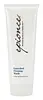
This wash off mask is made with Limnanthes Alba Seed Oil and Petrolatum for a rinse-off hydration boost.
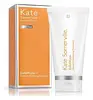
This smoothing exfoliator is formulated around Lactic Acid and Silica to refine skin texture and refine the look of pores.

What's inside
What's inside
 Key Ingredients
Benefits
Concerns
Ingredients Side-by-side
Water
Skin ConditioningLimnanthes Alba Seed Oil
Skin Conditioning



Petrolatum
Emollient

Butylene Glycol
Humectant
Glycerin
Humectant
Cetearyl Alcohol
Emollient



Butyrospermum Parkii Butter
Skin Conditioning
Laureth-23
Cleansing
Hydrogenated Polyisobutene
EmollientC10-30 Cholesterol/Lanosterol Esters
Emulsifying
Carthamus Tinctorius Seed Oil
Masking
Ceteth-20
CleansingCetearyl Glucoside
Emulsifying
Acrylates/C10-30 Alkyl Acrylate Crosspolymer
Emulsion StabilisingCetyl Esters
Emollient
Citrus Aurantium Dulcis Peel Oil
Masking
Citrus Limon Peel Oil
Masking


Cymbopogon Citratus Leaf/Stem Oil
Masking
Disodium EDTA
ChelatingEthylene Brassylate
MaskingGlyceryl Stearate
Emollient
Lavandula Hybrida Oil
Emollient
Linalool
Perfuming
Linalyl Acetate
Masking
Litsea Cubeba Fruit Oil
Masking
Menthol
Masking
Octanal
Perfuming
Olea Europaea Fruit Oil
Masking
PEG-100 Stearate
Surfactant
Persea Gratissima Oil
Skin Conditioning
Phenoxyethanol
Preservative
Phoenix Dactylifera Fruit Extract
EmollientPhosphatidylcholine
EmulsifyingPhytosterols
Skin Conditioning
PPG-2 Myristyl Ether Propionate
Emollient
Salix Alba Bark Extract
Astringent

Sodium Hyaluronate
Humectant


Triethanolamine
BufferingBlue 1 Lake
Cosmetic ColorantWater, Limnanthes Alba Seed Oil, Petrolatum, Butylene Glycol, Glycerin, Cetearyl Alcohol, Butyrospermum Parkii Butter, Laureth-23, Hydrogenated Polyisobutene, C10-30 Cholesterol/Lanosterol Esters, Carthamus Tinctorius Seed Oil, Ceteth-20, Cetearyl Glucoside, Acrylates/C10-30 Alkyl Acrylate Crosspolymer, Cetyl Esters, Citrus Aurantium Dulcis Peel Oil, Citrus Limon Peel Oil, Cymbopogon Citratus Leaf/Stem Oil, Disodium EDTA, Ethylene Brassylate, Glyceryl Stearate, Lavandula Hybrida Oil, Linalool, Linalyl Acetate, Litsea Cubeba Fruit Oil, Menthol, Octanal, Olea Europaea Fruit Oil, PEG-100 Stearate, Persea Gratissima Oil, Phenoxyethanol, Phoenix Dactylifera Fruit Extract, Phosphatidylcholine, Phytosterols, PPG-2 Myristyl Ether Propionate, Salix Alba Bark Extract, Sodium Hyaluronate, Triethanolamine, Blue 1 Lake
Water
Skin ConditioningLactic Acid
Buffering



Silica
Abrasive
Glycine Soja Oil
Emollient
Pectin
Emulsion StabilisingCetearyl Alcohol
Emollient
Carica Papaya Fruit
Skin ConditioningCeteareth-20
Cleansing
Cetyl Alcohol
Emollient
Phenoxyethanol
Preservative
Dehydroxanthan Gum
Emulsion StabilisingGlyceryl Stearate
Emollient
PEG-100 Stearate
Surfactant
Salicylic Acid
Masking

Lactobacillus/Pumpkin Ferment Extract
Skin ConditioningAlcohol Denat.
Antimicrobial
Sorbic Acid
Preservative
Cinnamal
Perfuming
Mel
EmollientCitrus Aurantium Bergamia Fruit Oil
Masking
Eugenol
Perfuming
Potassium Sorbate
Preservative
Limonene
Perfuming
Linalool
Perfuming
Lavandula Angustifolia Oil
Masking
Beta-Carotene
Skin ConditioningAloe Barbadensis Leaf Juice Powder
Skin Conditioning
Bromelain
Skin Conditioning
Papain
Skin Conditioning
Retinyl Palmitate
Skin Conditioning
Tocopheryl Acetate
Antioxidant

Cinnamomum Cassia Leaf Oil
Masking
Acetic Acid
BufferingPogostemon Cablin Leaf Oil
Masking
Pelargonium Graveolens Flower Oil
Masking
Aniba Rosaeodora Wood Extract
Masking
Citrus Aurantium Dulcis Peel Oil
Masking
CI 75810
Cosmetic ColorantWater, Lactic Acid, Silica, Glycine Soja Oil, Pectin, Cetearyl Alcohol, Carica Papaya Fruit, Ceteareth-20, Cetyl Alcohol, Phenoxyethanol, Dehydroxanthan Gum, Glyceryl Stearate, PEG-100 Stearate, Salicylic Acid, Lactobacillus/Pumpkin Ferment Extract, Alcohol Denat., Sorbic Acid, Cinnamal, Mel, Citrus Aurantium Bergamia Fruit Oil, Eugenol, Potassium Sorbate, Limonene, Linalool, Lavandula Angustifolia Oil, Beta-Carotene, Aloe Barbadensis Leaf Juice Powder, Bromelain, Papain, Retinyl Palmitate, Tocopheryl Acetate, Cinnamomum Cassia Leaf Oil, Acetic Acid, Pogostemon Cablin Leaf Oil, Pelargonium Graveolens Flower Oil, Aniba Rosaeodora Wood Extract, Citrus Aurantium Dulcis Peel Oil, CI 75810
Ingredients Explained
These ingredients are found in both products.
Ingredients higher up in an ingredient list are typically present in a larger amount.
Cetearyl alcohol is a waxy mixture of two fatty alcohols: cetyl alcohol and stearyl alcohol. It is an emollient and emulsifier.
Despite having "alcohol" in its name, it has nothing to do with drying solvent alcohols; the FDA also allows "alcohol-free" products to contain fatty alcohols like this ingredient.
It plays several roles in a formula:
Typical use levels for this ingredient sit around 1-10% and the Cosmetic Ingredient Review Expert Panel has affirmed safety at concentrations up to 25% in leave-on products.
Multiple assessments have found it to be non-irritating and non-sensitizing to most people.
However, there have been some cases of allergic contact dermatitis in patients with chronically compromised skin barriers.
Cetearyl alcohol has a comedogenic rating of 2 and irritancy rating of 1. Both of these numbers come from the 1989 study that used rabbit ears; a "2" means mildly comedogenic and a "1" means low irritancy.
Here's the catch: rabbit skin is more sensitive than human skin and throws a lot of false positives. A 1996 reappraisal found that ingredients rated 1-2 in the rabbit ear tests are generally safe for humans.
Remember comedogenic ratings are unable to assess the entire formula of a product or how it will react on your skin. Just be sure to patch test if you are unsure about certain ingredients.
This ingredient is not fungal acne safe. Cetearyl alcohol is a fatty alcohol with chain lengths that fall within the range that Malassezia can metabolize.
A 2019 study has also observed Malassezia growth in the presence of this ingredient, confirming it to be not-fungal acne safe.
Learn more about Cetearyl AlcoholCitrus Aurantium Dulcis Peel Oil is oil from the peel of an orange fruit.
Limonene and linalool make up the majority of oils from citrus peels. Limonene has a "citrus" fragrance. Citrus peels also contain flavonoids, which have anti-inflammatory properties.
Citrus peel is also a rich source of flavonoids. Flavonoids are natural antioxidants and help protect your skin against damage. Flavonoids are a group of compounds naturally found in vegetables and fruits.
The term 'fragrance' is not regulated in many countries. In many cases, it is up to the brand to define this term. For instance, many brands choose to label themselves as "fragrance-free" because they are not using synthetic fragrances. However, their products may still contain ingredients such as essential oils that are considered a fragrance.
Learn more about Citrus Aurantium Dulcis Peel OilGlyceryl Stearate is made by reacting glycerin with stearic acid (typically sourced from plant oils like palm or coconut). It's an emulsifier, emollient, and mild occlusive.
Emulsifiers help ingredients like oil and water stay mixed so your formula stays nicely blended and uniform in texture.
This ingredient is typically used in concentrations between 1-10%. Studies have found it to be non-sensitizing, non-phototoxic, and non-photoallergenic.
A close cousin of this ingredient is Glyceryl Stearate SE ("self-emulsifying"). This just has a small amount of sodium or potassium stearate added so it can emulsify without a co-emulsifier.
Since this ingredient is an ester of a C18 fatty acid, it may not be fungal acne safe. The Malassezia yeast can potentially metabolize within the C11-C24 range.
Fun fact: The human body also creates Glyceryl Stearate naturally.
Learn more about Glyceryl StearateLinalool is a small, naturally occurring scent molecule found in plants like lavender, coriander, bergamot, and more.
It is one of the two most-used fragrance ingredients in cosmetics and added purely for smell. Since it's not used for a skin benefit, there's no "effective dose". Concentration depends on the fragrance load of the product.
The EU requires it to be named on the label above 0.001% in leave-on and 0.01% in rinse-off products.
Fresh linalool is a weak sensitizer but air exposure turns some of it into hydroperoxides, which are strong sensitizers. Those oxidation products are the actual allergy concern.
Patch-test clinics see positive reactions to linalool hydroperoxides in about 4% to 12% of dermatitis patients depending on country and test concentration.
Resassuringly, one analytical study found hydroperoxide levels in real fragranced products to be orders of magnitude below what induced sensitization in animal studies with no evidence of oxidation building up during normal storage.
The practical takeaway is that linalool is fine for most people but worth avoiding if you have a confirmed fragrance contact allergy or a badly compromised barrier.
Products stored a long time after opening are also the high-risk scenario since that is when oxidation happens.
The scent of linalool is described as floral, spicy tropical, and citrus-like.
Learn more about LinaloolPeg-100 Stearate is an emollient and emulsifier. As an emollient, it helps keep skin soft by trapping moisture in. On the other hand, emulsifiers help prevent oil and water from separating in a product.
PEGS are a hydrophilic polyether compound . There are 100 ethylene oxide monomers in Peg-100 Stearate. Peg-100 Stearate is polyethylene glycol ester of stearic acid.
Phenoxyethanol is one of the most widely used preservatives in skincare (and for good reason!).
It has a large spectrum of antimicrobial activity and especially effective bacteria, yeast, and mold while only having a weak effect on your skin's natural microbiome.
On a cellular level, it disrupts the cell membranes of microbes by poking holes that make the cell leak. This shuts down the chemical reactions the microbe needs to make energy so it can no longer survive.
Another perk of this ingredient is that it stays functional across a wide pH range (3-10).
You'll often see it paired with boosters like Ethylhexylglycerin; one study showed that a 1:9 ratio of Ethylhexylglycerin to Phenoxyethanol damages bacterial membranes as effectively as doubling the Phenoxyethanol concentration on its own.
Typical use concentrations range from 0.3-1% depending on the formula, and this ingredient is capped at 1% int the EU.
Safety-wise, the fear mongering does not hold up to the evidence. The EU's Scientific Committee on Consumer Safety and FDA consider it safe as a preservative at up to 1%, including for children of all ages.
Adverse systemic effects only showed up in animal studies at exposures roughly 200x higher than what people get from cosmetics. And despite its very widespread use, this ingredient is a rare sensitizer and allergic reactions are uncommon.
Learn more about PhenoxyethanolWater. It's the most common cosmetic ingredient of all. You'll usually see it at the top of ingredient lists, meaning that it makes up the largest part of the product.
So why is it so popular? Water most often acts as a solvent - this means that it helps dissolve other ingredients into the formulation.
You'll also recognize water as that liquid we all need to stay alive. If you see this, drink a glass of water. Remember to stay hydrated!
Learn more about Water

