Endocare Radiance Eye Contour Anti-Dark Circles Versus Ilia Bright Start Retinol Alternative Brightening Eye Cream
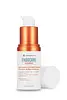
This brightening eye moisturizer is formulated around Tranexamic Acid and Niacinamide to fade the look of dark spots and brighten dull-looking skin.
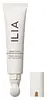
This anti-aging eye moisturizer is formulated around Caffeine and Acetyl Hexapeptide-8 to soften the look of wrinkles.


What's inside
What's inside
 Key Ingredients
Benefits
Concerns
Ingredients Side-by-side
Water
Skin ConditioningDimethicone
Emollient

Polysilicone-11

Cyclopentasiloxane
Emollient
Glycerin
Humectant

Cyclohexasiloxane
Emollient
Silica
Abrasive

Nylon-12

Titanium Dioxide
Cosmetic Colorant
CI 77891
Cosmetic ColorantPropylene Glycol
Humectant

Butylene Glycol Cocoate
Emulsifying


Tranexamic Acid
Astringent




Octyldodecyl Myristate
EmollientNiacinamide
Smoothing



Caffeine
Skin Conditioning
Deschampsia Antarctica Leaf Extract
Antioxidant
Portulaca Oleracea Extract
Skin Conditioning
Acetyl Tetrapeptide-5
Humectant
Sodium Hyaluronate
Humectant
Sodium Ascorbyl Phosphate
Antioxidant
Hydrolyzed Jojoba Esters
Skin Conditioning
Hydroxyethyl Acrylate/Sodium Acryloyldimethyl Taurate Copolymer
Emulsion StabilisingPEG-10 Dimethicone
Skin Conditioning
Isohexadecane
EmollientPolysorbate 40
Emulsifying
Tocopheryl Acetate
Antioxidant
Zea Mays Starch
Absorbent
Ammonium Polyacryloyldimethyl Taurate
Emulsion StabilisingIsostearic Acid
Cleansing
Maltodextrin
Absorbent
Caprylyl Glycol
Emollient
Chlorphenesin
Antimicrobial
Xanthan Gum
EmulsifyingHydroxyethylcellulose
Emulsion StabilisingCitric Acid
Buffering
Mica
Cosmetic ColorantTin Oxide
Abrasive
Phenoxyethanol
Preservative
Disodium EDTA
ChelatingPotassium Sorbate
Preservative
Parfum
Masking


CI 77492
Cosmetic ColorantCI 77491
Cosmetic ColorantCI 77499
Cosmetic ColorantWater, Dimethicone, Polysilicone-11, Cyclopentasiloxane, Glycerin, Cyclohexasiloxane, Silica, Nylon-12, Titanium Dioxide, CI 77891, Propylene Glycol, Butylene Glycol Cocoate, Tranexamic Acid, Octyldodecyl Myristate, Niacinamide, Caffeine, Deschampsia Antarctica Leaf Extract, Portulaca Oleracea Extract, Acetyl Tetrapeptide-5, Sodium Hyaluronate, Sodium Ascorbyl Phosphate, Hydrolyzed Jojoba Esters, Hydroxyethyl Acrylate/Sodium Acryloyldimethyl Taurate Copolymer, PEG-10 Dimethicone, Isohexadecane, Polysorbate 40, Tocopheryl Acetate, Zea Mays Starch, Ammonium Polyacryloyldimethyl Taurate, Isostearic Acid, Maltodextrin, Caprylyl Glycol, Chlorphenesin, Xanthan Gum, Hydroxyethylcellulose, Citric Acid, Mica, Tin Oxide, Phenoxyethanol, Disodium EDTA, Potassium Sorbate, Parfum, CI 77492, CI 77491, CI 77499
Water
Skin ConditioningCaprylic/Capric Triglyceride
Masking
Persea Gratissima Oil
Skin Conditioning
Propanediol
Solvent
Glycerin
Humectant
Pentylene Glycol
Skin Conditioning
Cetearyl Alcohol
Emollient
Candelilla/Jojoba/Rice Bran Polyglyceryl-3 Esters
Emulsifying
Jojoba Oil/Macadamia Seed Oil Esters
Skin Conditioning
Brassica Campestris/Aleurites Fordi Oil Copolymer
Skin Conditioning
Silica
Abrasive
Glyceryl Stearate
Emollient
Sodium Polyacryloyldimethyl Taurate
Emulsion StabilisingBehenyl Alcohol
Emollient
Caffeine
Skin Conditioning
Moringa Oil/Hydrogenated Moringa Oil Esters
Skin Conditioning
Sodium Stearoyl Lactylate
EmulsifyingMica
Cosmetic ColorantHydroxyacetophenone
Antioxidant
Caprylyl Glycol
Emollient
1,2-Hexanediol
Skin Conditioning
Squalene
Emollient
Caprylic/Capric/Succinic Triglyceride
EmollientXanthan Gum
EmulsifyingCitric Acid
Buffering
Sodium Phytate
ChelatingPhytosteryl Macadamiate
Skin Conditioning
Persea Gratissima Fruit Extract
EmollientCrithmum Maritimum Extract
Skin ConditioningPhytosterols
Skin Conditioning
Tocopherol
Antioxidant
Acetyl Hexapeptide-8
Humectant
Sodium Citrate
BufferingCI 77891
Cosmetic ColorantCI 77491
Cosmetic ColorantWater, Caprylic/Capric Triglyceride, Persea Gratissima Oil, Propanediol, Glycerin, Pentylene Glycol, Cetearyl Alcohol, Candelilla/Jojoba/Rice Bran Polyglyceryl-3 Esters, Jojoba Oil/Macadamia Seed Oil Esters, Brassica Campestris/Aleurites Fordi Oil Copolymer, Silica, Glyceryl Stearate, Sodium Polyacryloyldimethyl Taurate, Behenyl Alcohol, Caffeine, Moringa Oil/Hydrogenated Moringa Oil Esters, Sodium Stearoyl Lactylate, Mica, Hydroxyacetophenone, Caprylyl Glycol, 1,2-Hexanediol, Squalene, Caprylic/Capric/Succinic Triglyceride, Xanthan Gum, Citric Acid, Sodium Phytate, Phytosteryl Macadamiate, Persea Gratissima Fruit Extract, Crithmum Maritimum Extract, Phytosterols, Tocopherol, Acetyl Hexapeptide-8, Sodium Citrate, CI 77891, CI 77491
Ingredients Explained
These ingredients are found in both products.
Ingredients higher up in an ingredient list are typically present in a larger amount.
Caffeine is a naturally occurring plant compound found in coffee beans, tea leaves, cocoa pods, and guarana.
As an antioxidant, caffeine protects your skin from free radical damage caused by UV exposure and envionrmnetal stressors.
Early research also shows that caffeine can help calm redness, soothe irritated skin, and support hair growth by stimulating microcirculation in the scalp.
You might have seen eye creams marketing caffeine as a depuffing ingredient. This is because it is a vasoconstrictor meaning it can temporarily constrict blood vessels, though clinical evidence for this specific use is still limited.
Most skincare products contain this ingredient at concentrations between 1-6%. It is able to penetrate skin easily regardless of skin type or thickness.
Just so you know, a very small number of case reports describe caffeine-induced allergy. This ingredient is generally well-tolerated, non-irritating, and non-sensitizing for the majority of people.
Learn more about CaffeineCaprylyl Glycol is a humectant, skin conditioner, emollient, and preservative booster derived from either caprylic acid or synthetically created.
Typical use levels vary from 0.3-1% as a preservative booster and go up to 2% to condition skin.
Because it is not a free-fatty acid, this ingredient is fungal acne safe (there's nothing for Malassezia to feed on).
Learn more about Caprylyl GlycolCi 77491 is also hydrated iron III oxide. It's sole purpose is to give a red/pink hue to products.
Iron III oxides are classified as inorganic chemicals for coloring.
Synthetically created Ci 77491 is considered safer than those naturally found. This is because the synthetically created version may contain less impurities. Iron oxides are generally non-toxic and non-allergenic.
Learn more about CI 77491Ci 77891 is a white pigment from Titanium dioxide. It is naturally found in minerals such as rutile and ilmenite.
It's main function is to add a white color to cosmetics. It can also be mixed with other colors to create different shades.
Ci 77891 is commonly found in sunscreens due to its ability to block UV rays.
Learn more about CI 77891Citric Acid is an alpha hydroxy acid (AHA) naturally found in citrus fruits like oranges, lemons, and limes.
Like other AHAs, citric acid can exfoliate skin by breaking down the bonds that hold dead skin cells together. This helps reveal smoother and brighter skin underneath.
However, this exfoliating effect only happens at high concentrations (20%) which can be hard to find in cosmetic products.
Due to this, citric acid is usually included in small amounts as a pH adjuster. This helps keep products slightly more acidic and compatible with skin's natural pH.
In skincare formulas, citric acid can:
While it can provide some skin benefits, research shows lactic acid and glycolic acid are generally more effective and less irritating exfoliants.
Most citric acid used in skincare today is made by fermenting sugars (usually from molasses). This synthetic version is identical to the natural citrus form but easier to stabilize and use in formulations.
Rosacea skin has a lower threshold for acids generally, with 62.5% of rosacea subjects in one study reacting to lactic acid in a sting test. This is why we mark citric acid as a potential rosacea trigger.
However, this ingredient shows up as a pH adjuster or chelator at roughly 0.1-1% in many products. These low levels are unlikely to be an issue for rosacea skin and becomes a potential trigger at exfoliating concentrations (20%). Because everybody's skin is unique, we recommend a patch test if you are unsure.
Learn more about Citric AcidGlycerin (or glycerol) is a compound naturally found in your skin. It's a powerhouse humectant that pulls water into the stratum corneum.
Topically, glycerin does several things at once:
Your skin makes glycerin on its own (mostly from sebaceous oil breakdown) and shuttles it to your outermost layer of skin, or your epidermis, via aquaporin-3.
Aquaporin-3 is a transporter that is essential for normal skin hydration, elasticity, and repair. Interestingly, mice lacking in AQP3 have dry and less elastic skin that can be fully corrected with glycerin.
This ingredient is non-irritating, plays well with almost every ingredient, and works across all skin types. Typical use is anywhere between 3-10% but can go up to 79% in some leave-on products.
Just know very high concentrations (>40%) can feel tacky in low humidity.
Glycerin is the name for this ingredient in American English. British English uses Glycerol/Glycerine.
Learn more about GlycerinMica is a naturally occurring mineral used to add shimmer and color in cosmetics. It can also help improve the texture of a product or give it an opaque, white/silver color.
Serecite is the name for very fine but ragged grains of mica.
This ingredient is often coated with metal oxides like titanium dioxide. Trace amounts of heavy metals may be found in mica, but these metals are not harmful in our personal products.
Mica has been used since prehistoric times throughout the world. Ancient Egyptian, Indian, Greek, Roman, Aztec, and Chinese civilizations have used mica.
Learn more about MicaSilica, also known as silicon dioxide, is a naturally occurring mineral. It is used as a fine, spherical, and porous powder in cosmetics.
Though it has exfoliant properties, the function of silica varies depending on the product.
The unique structure of silica enhances the spreadability and adds smoothness, making it a great texture enhancer.
It is also used as an active carrier, emulsifier, and mattifier due to its ability to absorb excess oil.
In some products, tiny microneedles called spicules are made from silica or hydrolyzed sponge. When you rub them in, they lightly polish away dead skin layers and enhance the penetration of active ingredients.
Learn more about SilicaWater. It's the most common cosmetic ingredient of all. You'll usually see it at the top of ingredient lists, meaning that it makes up the largest part of the product.
So why is it so popular? Water most often acts as a solvent - this means that it helps dissolve other ingredients into the formulation.
You'll also recognize water as that liquid we all need to stay alive. If you see this, drink a glass of water. Remember to stay hydrated!
Learn more about WaterXanthan gum is used as a stabilizer and thickener within cosmetic products. It helps give products a sticky, thick feeling - preventing them from being too runny.
On the technical side of things, xanthan gum is a polysaccharide - a combination consisting of multiple sugar molecules bonded together.
Xanthan gum is a pretty common and great ingredient. It is a natural, non-toxic, non-irritating ingredient that is also commonly used in food products.
Learn more about Xanthan Gum

