Ilia Bright Start Retinol Alternative Brightening Eye Cream Versus Paula's Choice Pro-Collagen Peptide Firming Eye Serum
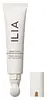
This anti-aging eye moisturizer is formulated around Caffeine and Acetyl Hexapeptide-8 to soften the look of wrinkles.
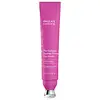
This anti-aging eye moisturizer is formulated around Squalane and Palmitoyl Tetrapeptide-7 to soften the look of wrinkles and hydrate skin.

What's inside
What's inside
 Key Ingredients
Benefits
Concerns
Ingredients Side-by-side
Water
Skin ConditioningCaprylic/Capric Triglyceride
Masking


Persea Gratissima Oil
Skin Conditioning




Propanediol
Solvent
Glycerin
Humectant
Pentylene Glycol
Skin Conditioning
Cetearyl Alcohol
Emollient

Candelilla/Jojoba/Rice Bran Polyglyceryl-3 Esters
Emulsifying
Jojoba Oil/Macadamia Seed Oil Esters
Skin Conditioning
Brassica Campestris/Aleurites Fordi Oil Copolymer
Skin Conditioning
Silica
Abrasive


Glyceryl Stearate
Emollient
Sodium Polyacryloyldimethyl Taurate
Emulsion StabilisingBehenyl Alcohol
Emollient
Caffeine
Skin Conditioning

Moringa Oil/Hydrogenated Moringa Oil Esters
Skin Conditioning
Sodium Stearoyl Lactylate
EmulsifyingMica
Cosmetic ColorantHydroxyacetophenone
Antioxidant
Caprylyl Glycol
Emollient
1,2-Hexanediol
Skin Conditioning
Squalene
Emollient
Caprylic/Capric/Succinic Triglyceride
EmollientXanthan Gum
EmulsifyingCitric Acid
Buffering

Sodium Phytate
ChelatingPhytosteryl Macadamiate
Skin Conditioning
Persea Gratissima Fruit Extract
EmollientCrithmum Maritimum Extract
Skin ConditioningPhytosterols
Skin Conditioning
Tocopherol
Antioxidant


Acetyl Hexapeptide-8
Humectant
Sodium Citrate
BufferingCI 77891
Cosmetic ColorantCI 77491
Cosmetic ColorantWater, Caprylic/Capric Triglyceride, Persea Gratissima Oil, Propanediol, Glycerin, Pentylene Glycol, Cetearyl Alcohol, Candelilla/Jojoba/Rice Bran Polyglyceryl-3 Esters, Jojoba Oil/Macadamia Seed Oil Esters, Brassica Campestris/Aleurites Fordi Oil Copolymer, Silica, Glyceryl Stearate, Sodium Polyacryloyldimethyl Taurate, Behenyl Alcohol, Caffeine, Moringa Oil/Hydrogenated Moringa Oil Esters, Sodium Stearoyl Lactylate, Mica, Hydroxyacetophenone, Caprylyl Glycol, 1,2-Hexanediol, Squalene, Caprylic/Capric/Succinic Triglyceride, Xanthan Gum, Citric Acid, Sodium Phytate, Phytosteryl Macadamiate, Persea Gratissima Fruit Extract, Crithmum Maritimum Extract, Phytosterols, Tocopherol, Acetyl Hexapeptide-8, Sodium Citrate, CI 77891, CI 77491
Water
Skin ConditioningDimethicone
Emollient
Pentylene Glycol
Skin Conditioning
Silica
Abrasive
Squalane
Emollient
Undecane
EmollientGlycerin
Humectant
Pyrus Malus Fruit Extract
Skin Conditioning
Tridecane
Perfuming

1,2-Hexanediol
Skin Conditioning
Ammonium Acryloyldimethyltaurate/Vp Copolymer
Cetyl Alcohol
Emollient
Polyglyceryl-10 Laurate
Skin Conditioning
Polyglyceryl-4 Caprate
EmulsifyingHydroxyacetophenone
Antioxidant
Propanediol
Solvent
Tridecapeptide-1
Skin Conditioning
Palmitoyl Tetrapeptide-7
Skin Conditioning
Acetyl Hexapeptide-8
Humectant
Arginine/Lysine Polypeptide
Skin Conditioning
Acrylates/C10-30 Alkyl Acrylate Crosspolymer
Emulsion StabilisingSodium Phytate
ChelatingSorbitan Oleate
Emulsifying
Diosmine
Antioxidant
Coleus Forskohlii Root Extract
EmollientCaprylyl Glycol
Emollient
Xanthan Gum
EmulsifyingGlyceryl Caprylate
EmollientPseudoalteromonas Ferment Extract
Humectant
Tocopherol
Antioxidant
Water, Dimethicone, Pentylene Glycol, Silica, Squalane, Undecane, Glycerin, Pyrus Malus Fruit Extract, Tridecane, 1,2-Hexanediol, Ammonium Acryloyldimethyltaurate/Vp Copolymer, Cetyl Alcohol, Polyglyceryl-10 Laurate, Polyglyceryl-4 Caprate, Hydroxyacetophenone, Propanediol, Tridecapeptide-1, Palmitoyl Tetrapeptide-7, Acetyl Hexapeptide-8, Arginine/Lysine Polypeptide, Acrylates/C10-30 Alkyl Acrylate Crosspolymer, Sodium Phytate, Sorbitan Oleate, Diosmine, Coleus Forskohlii Root Extract, Caprylyl Glycol, Xanthan Gum, Glyceryl Caprylate, Pseudoalteromonas Ferment Extract, Tocopherol
Reviews
Ingredients Explained
These ingredients are found in both products.
Ingredients higher up in an ingredient list are typically present in a larger amount.
1,2-Hexanediol is a synthetic liquid and another multi-functional powerhouse.
It is a:
- Humectant, drawing moisture into the skin
- Emollient, helping to soften skin
- Solvent, dispersing and stabilizing formulas
- Preservative booster, enhancing the antimicrobial activity of other preservatives
Acetyl Hexapeptide-8 (also known as Argireline) is a synthetic hexapeptide that is often called a "topical Botox alternative".
It works by mimicking how Botox relaxes muscles; it interferes with the signaling process that tells your facial muscles to contract. This can help soften expression lines like forehead wrinkles or crow's feet over time.
The comparison to Botox does have limits because the molecule is water-loving and relatively large.
Acetyl Hexapeptide-8 has a hard time absorbing deeply enough through the skin's outer barrier to actually reach the muscles.
So whether it truly works the way Botox does at a biological level is still up for debate, but early clinical outcomes are fairly encouraging.
A 12 week human study of a multi-ingredient regimen containing this ingredient saw:
While some studies have observed improvements in wrinkle appearance, it is important to note that more consistent results are seen in multi-ingredient formulations (vs just Acetyl Hexapeptide-8 alone).
Some research studies also used higher concentrations (up to 10%) while this ingredient is usually found in concentrations up to 0.005% in leave-on formulations.
Learn more about Acetyl Hexapeptide-8Caprylyl Glycol is a humectant, skin conditioner, emollient, and preservative booster derived from either caprylic acid or synthetically created.
Typical use levels vary from 0.3-1% as a preservative booster and go up to 2% to condition skin.
Because it is not a free-fatty acid, this ingredient is fungal acne safe (there's nothing for Malassezia to feed on).
Learn more about Caprylyl GlycolGlycerin (or glycerol) is a compound naturally found in your skin. It's a powerhouse humectant that pulls water into the stratum corneum.
Topically, glycerin does several things at once:
Your skin makes glycerin on its own (mostly from sebaceous oil breakdown) and shuttles it to your outermost layer of skin, or your epidermis, via aquaporin-3.
Aquaporin-3 is a transporter that is essential for normal skin hydration, elasticity, and repair. Interestingly, mice lacking in AQP3 have dry and less elastic skin that can be fully corrected with glycerin.
This ingredient is non-irritating, plays well with almost every ingredient, and works across all skin types. Typical use is anywhere between 3-10% but can go up to 79% in some leave-on products.
Just know very high concentrations (>40%) can feel tacky in low humidity.
Glycerin is the name for this ingredient in American English. British English uses Glycerol/Glycerine.
Learn more about GlycerinHydroxyacetophenone is a small phenolic molecule that earns its place in a formulas as an antioxidant and preservative booster.
As a phenol, it is able to neutralize free radicals to protect both the product and the skin from oxidative stress.
Though it can't kill microbes on its own, it works as a good supporting agent when combined with other preservatives like Phenoxyethanol or 1,2-Hexanediol.
This ingredient naturally occurs as piceol in Norwegian spruce needles (~0.4-1.1% dry weight and in cloudberries). Though the cosmetic-grade material is synthesized for purity and consistency.
You'll usually see it used at low levels and suppliers recommend up to 1% added to a water phase.
Safety testing was done at concentrations like 0.05% in SPF products and 0.5% in a Human Repeated Insult Patch Test. The safety evidence is assuring; this ingredient is safe for cosmetics in current use and also holds safety status as a food flavoring as well.
An honest caveat: the "soothing" and "anti-inflammatory" claims come mostly from supplier marketing rather than published clinical trials. The Cosmetic Ingredient Review's own literature search found no useful efficacy studies on this ingredient.
So the antioxidant and preservative-boosting roles are the well supported ones while the calming benefit is plausible but thinly evidenced.
Overall, this is a well-tolerated, low-irritation multitasker that quietly helps a formula stay fresh and stable.
Learn more about HydroxyacetophenonePentylene Glycol (1,2-pentanediol) is a multitasking little diol with three main roles in a formula:
Research on alkanediols (the family pentylene glycol belongs to) show they work by disrupting microbial cell membranes. This disruption helps the primary preservative system in a product work more effectively at lower doses.
On the safety side, the Cosmetic Ingredient Review Expert Panel has concluded this ingredient to be safe as used in current cosmetic practices + concentrations.
Typical use levels in a formula run about 1-5%.
Learn more about Pentylene GlycolPropanediol is an all-star ingredient. It softens, hydrates, and smooths the skin.
It’s often used to:
Propanediol is not likely to cause sensitivity and considered safe to use. It is derived from corn or petroleum with a clear color and no scent.
Learn more about PropanediolSilica, also known as silicon dioxide, is a naturally occurring mineral. It is used as a fine, spherical, and porous powder in cosmetics.
Though it has exfoliant properties, the function of silica varies depending on the product.
The unique structure of silica enhances the spreadability and adds smoothness, making it a great texture enhancer.
It is also used as an active carrier, emulsifier, and mattifier due to its ability to absorb excess oil.
In some products, tiny microneedles called spicules are made from silica or hydrolyzed sponge. When you rub them in, they lightly polish away dead skin layers and enhance the penetration of active ingredients.
Learn more about SilicaSodium Phytate is the sodium salt of Phytic acid, a compound that plants store phosphorus in. It's the plant-derived alternative to ingredients like Disodium EDTA.
In skincare, this ingredient is a chelator that grabs onto trace metal ions like iron and copper that sneak into formulas through water/raw materials.
Those metals speed up oxidation so binding them keeps oils, fragrance, and actives from going off, stops color changes, and helps the preservative system work harder.
Survey data shows usage levels range from 0.0099%-0.5% in leave-on products, 0.025%-0.3% in rinse-off, and up to 0.05% in eye-area products. Suppliers typically recommend a range between 0.05-0.5%.
Learn more about Sodium PhytateTocopherol is a fat-soluble antioxidant known as Vitamin E.
You'll find this ingredient in the vast majority of skincare (for good reason). It works to neutralize free radicals, or unstable molecules generated by UV exposure, pollution, and other environmental stressors, before they can cause oxidative damage to your skin cells.
Topically applied tocopherol has been shown to protect against UV damage by ramping up the skin's own natural defense enzymes.
It also acts as a skin conditioning agent; some studies show that regular topical use can improve the skin's water-binding capacity over 2-4 weeks.
This ingredient is especially loved for being a team player. When combined with Vitamin C, the photoprotective effect of both ingredients roughly doubles and the combo also helps reduce UV-induced DNA damage.
This ingredient has some brightening potential but it's more of a prevention ingredient than spot-fader. Cell studies show it can slow down melanin production but it's worth noting that it's not the most powerful brightener out there.
In formulations, it also serves as a stabilizer that helps protect other oxidation-prone ingredients from degrading.
Concentrations usually range from 0.1-1% in most leave-on products.
Learn more about TocopherolWater. It's the most common cosmetic ingredient of all. You'll usually see it at the top of ingredient lists, meaning that it makes up the largest part of the product.
So why is it so popular? Water most often acts as a solvent - this means that it helps dissolve other ingredients into the formulation.
You'll also recognize water as that liquid we all need to stay alive. If you see this, drink a glass of water. Remember to stay hydrated!
Learn more about WaterXanthan gum is used as a stabilizer and thickener within cosmetic products. It helps give products a sticky, thick feeling - preventing them from being too runny.
On the technical side of things, xanthan gum is a polysaccharide - a combination consisting of multiple sugar molecules bonded together.
Xanthan gum is a pretty common and great ingredient. It is a natural, non-toxic, non-irritating ingredient that is also commonly used in food products.
Learn more about Xanthan Gum

