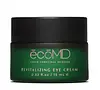
This anti-aging eye moisturizer is formulated around Hyaluronic Acid to soften the look of wrinkles and hydrate skin.
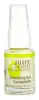
This smoothing eye moisturizer is formulated around Gluconolactone and Dipeptide-2 to refine skin texture and soften the look of wrinkles.


What's inside
What's inside
 Key Ingredients
Benefits
Concerns
Ingredients Side-by-side
Water
Skin ConditioningCetearyl Alcohol
Emollient






Helianthus Annuus Seed Oil
Emollient

Cetearyl Olivate
Sorbitan Olivate
Emulsifying
Pentylene Glycol
Skin Conditioning
Caprylyl Glycol
Emollient
N-Prolyl Palmitoyl Tripeptide-56 Acetate
Skin Conditioning
Butyrospermum Parkii Butter
Skin Conditioning
Prunus Armeniaca Kernel Oil
Masking
Persea Gratissima Oil
Skin Conditioning
Propanediol
Solvent
Phenethyl Alcohol
MaskingGlyceryl Caprylate
EmollientGlyceryl Undecylenate
Emollient
Adansonia Digitata Pulp Extract
EmollientXanthan Gum
EmulsifyingRubus Idaeus Seed Oil
Emollient
Hyaluronic Acid
Humectant


Panthenol
Skin Conditioning

Tocopherol
Antioxidant



Glycerin
Humectant
Euphrasia Officinalis Extract
AntimicrobialCitrus Grandis Fruit Extract
Astringent
Glycyrrhiza Glabra Root Extract
Bleaching
Cucumis Sativus Fruit Extract
Emollient
Maltodextrin
Absorbent
Nephelium Lappaceum Leaf Extract
Skin ConditioningStearic Acid
Cleansing
Water, Cetearyl Alcohol, Helianthus Annuus Seed Oil, Cetearyl Olivate, Sorbitan Olivate, Pentylene Glycol, Caprylyl Glycol, N-Prolyl Palmitoyl Tripeptide-56 Acetate, Butyrospermum Parkii Butter, Prunus Armeniaca Kernel Oil, Persea Gratissima Oil, Propanediol, Phenethyl Alcohol, Glyceryl Caprylate, Glyceryl Undecylenate, Adansonia Digitata Pulp Extract, Xanthan Gum, Rubus Idaeus Seed Oil, Hyaluronic Acid, Panthenol, Tocopherol, Glycerin, Euphrasia Officinalis Extract, Citrus Grandis Fruit Extract, Glycyrrhiza Glabra Root Extract, Cucumis Sativus Fruit Extract, Maltodextrin, Nephelium Lappaceum Leaf Extract, Stearic Acid
Vitis Vinifera
MaskingAloe Barbadensis Leaf Extract
Emollient
Helianthus Annuus Seed Oil
Emollient
Cetearyl Alcohol
Emollient
Glycerin
Humectant
Cetearyl Glucoside
Emulsifying
Simmondsia Chinensis Seed Oil
Emollient
Persea Gratissima Oil
Skin Conditioning
Cetearyl Olivate
Sorbitan Olivate
Emulsifying
Coconut Alkanes
Emollient
Coco-Caprylate
Emollient
Gluconolactone
Chelating




Sodium Benzoate
Masking
Oenothera Biennis Oil
Emollient
Linum Usitatissimum Seed Oil
Perfuming
Borago Officinalis Seed Oil
Emollient
Limnanthes Alba Seed Oil
Skin Conditioning
Panthenol
Skin Conditioning
Magnesium Ascorbyl Phosphate
Antioxidant
Tocopherol
Antioxidant
Hesperidin Methyl Chalcone
Antioxidant
Dipeptide-2
Skin Conditioning
Palmitoyl Tetrapeptide-7
Skin Conditioning
Xanthan Gum
EmulsifyingDaucus Carota Sativa Seed Oil
Emollient
Cucumis Sativus Extract
Skin Conditioning
Camellia Sinensis Leaf Extract
Antimicrobial
Coenochloris Signiensis Extract
Skin ConditioningCalcium Gluconate
HumectantPotassium Sorbate
Preservative
Sodium Phytate
ChelatingCitrus Aurantium Sinensis Fiber
Emulsion StabilisingCitrus Aurantium Dulcis Peel Oil
Masking
Vitis Vinifera, Aloe Barbadensis Leaf Extract, Helianthus Annuus Seed Oil, Cetearyl Alcohol, Glycerin, Cetearyl Glucoside, Simmondsia Chinensis Seed Oil, Persea Gratissima Oil, Cetearyl Olivate, Sorbitan Olivate, Coconut Alkanes, Coco-Caprylate, Gluconolactone, Sodium Benzoate, Oenothera Biennis Oil, Linum Usitatissimum Seed Oil, Borago Officinalis Seed Oil, Limnanthes Alba Seed Oil, Panthenol, Magnesium Ascorbyl Phosphate, Tocopherol, Hesperidin Methyl Chalcone, Dipeptide-2, Palmitoyl Tetrapeptide-7, Xanthan Gum, Daucus Carota Sativa Seed Oil, Cucumis Sativus Extract, Camellia Sinensis Leaf Extract, Coenochloris Signiensis Extract, Calcium Gluconate, Potassium Sorbate, Sodium Phytate, Citrus Aurantium Sinensis Fiber, Citrus Aurantium Dulcis Peel Oil
Ingredients Explained
These ingredients are found in both products.
Ingredients higher up in an ingredient list are typically present in a larger amount.
Cetearyl alcohol is a waxy mixture of two fatty alcohols: cetyl alcohol and stearyl alcohol. It is an emollient and emulsifier.
Despite having "alcohol" in its name, it has nothing to do with drying solvent alcohols; the FDA also allows "alcohol-free" products to contain fatty alcohols like this ingredient.
It plays several roles in a formula:
Typical use levels for this ingredient sit around 1-10% and the Cosmetic Ingredient Review Expert Panel has affirmed safety at concentrations up to 25% in leave-on products.
Multiple assessments have found it to be non-irritating and non-sensitizing to most people.
However, there have been some cases of allergic contact dermatitis in patients with chronically compromised skin barriers.
Cetearyl alcohol has a comedogenic rating of 2 and irritancy rating of 1. Both of these numbers come from the 1989 study that used rabbit ears; a "2" means mildly comedogenic and a "1" means low irritancy.
Here's the catch: rabbit skin is more sensitive than human skin and throws a lot of false positives. A 1996 reappraisal found that ingredients rated 1-2 in the rabbit ear tests are generally safe for humans.
Remember comedogenic ratings are unable to assess the entire formula of a product or how it will react on your skin. Just be sure to patch test if you are unsure about certain ingredients.
This ingredient is not fungal acne safe. Cetearyl alcohol is a fatty alcohol with chain lengths that fall within the range that Malassezia can metabolize.
A 2019 study has also observed Malassezia growth in the presence of this ingredient, confirming it to be not-fungal acne safe.
Learn more about Cetearyl AlcoholCetearyl Olivate is a plant-derived emulsifier and texture enhancer. It helps keep the oil and water phases from separating so your formulas stay stable.
You'll likely see it combined with Sorbitan Olivate (together sold as the trade name Olivem 1000). This combination generates a liquid crystal structure that closely resemble the lipid organization of the stratum corneum.
These "skin-like" liquid crystals improve skin barrier integrity and promote the delivery of actives into the skin.
This ingredient is well-tolerated and has no significant sensitization data.
Because it is derived from the fatty acids in olive oil, this ingredient may not be fungal acne safe.
Learn more about Cetearyl OlivateGlycerin (or glycerol) is a compound naturally found in your skin. It's a powerhouse humectant that pulls water into the stratum corneum.
Topically, glycerin does several things at once:
Your skin makes glycerin on its own (mostly from sebaceous oil breakdown) and shuttles it to your outermost layer of skin, or your epidermis, via aquaporin-3.
Aquaporin-3 is a transporter that is essential for normal skin hydration, elasticity, and repair. Interestingly, mice lacking in AQP3 have dry and less elastic skin that can be fully corrected with glycerin.
This ingredient is non-irritating, plays well with almost every ingredient, and works across all skin types. Typical use is anywhere between 3-10% but can go up to 79% in some leave-on products.
Just know very high concentrations (>40%) can feel tacky in low humidity.
Glycerin is the name for this ingredient in American English. British English uses Glycerol/Glycerine.
Learn more about GlycerinHelianthus Annuus Seed Oil is a plant oil derived from the seeds of a sunflower.
It is rich in fatty acids, primarily linoleic acid and oleic acid. This gives it emollient and skin conditioning properties.
The reason this ingredient is so effective is because it forms a thin film on the skin that reduces transepidermal water loss (TEWL) while supplying linoleic acid to the stratum corneum to improve barrier strength.
The high linoleic acid content is particularly noteworthy for acne-prone skin.
Research suggests that acne-prone skin tends to be deficient in linoleic acid in sebum. Topical application may help replenish this to support a healthier follicular environment and less comedone-promoting sebum.
One randomized study found sunflower seed oil preserved skin barrier integrity in adult volunteers with and without atopic dermatitis (outperforming olive oil).
This ingredient is well-studied, gentle, and an effective emollient suitable for most skin types.
On fungal acne: This ingredient may not be Fungal acne (Malassezia folliculitis) safe. This is because it contains fatty acids with carbon chain lengths in the C11-C24 range.
Learn more about Helianthus Annuus Seed OilPanthenol is a common ingredient that helps hydrate and soothe the skin. It is found naturally in our skin and hair.
There are two forms of panthenol: D and L.
D-panthenol is also known as dexpanthenol. Most cosmetics use dexpanthenol or a mixture of D and L-panthenol.
Panthenol is famous due to its ability to go deeper into the skin's layers. Using this ingredient has numerous pros (and no cons):
Like hyaluronic acid, panthenol is a humectant. Humectants are able to bind and hold large amounts of water to keep skin hydrated.
This ingredient works well for wound healing. It works by increasing tissue in the wound and helps close open wounds.
Once oxidized, panthenol converts to pantothenic acid. Panthothenic acid is found in all living cells.
This ingredient is also referred to as pro-vitamin B5.
Learn more about PanthenolThis ingredient is also known as Avocado oil. It's the cold-pressed oil from the flesh of the avocado fruit packed with fatty acids (mostly oleic acid).
The rich fatty acid profile allows it to function as a skin conditioning agent and emollient; it helps soften and smooth skin while reducing water loss.
Preclinical research has found that topical avocado oil increased collagen synthesis and reduced inflammation during wound healing, giving it some skin-repairing credibility.
The unsaponifiable fraction of the oil is also interesting: studies on avocado unsaponifiables showed that it helped skin produce more collagen and other structural compounds that support healing.
The CIR Expert Panel has found this ingredient to be non-irritating in formulations.
It's a great ingredient for dry or compromised skin. Just know it may not be fungal acne safe. This is because the oleic acid content falls within the range that Malassezia can use as a food source.
Learn more about Persea Gratissima OilSorbitan Olivate is created from the fatty acids in olive oil and sorbitol.
This ingredient is an oil in water emulsifier. It helps stabilize a product by preventing oils and waters from separating. Sorbitan Olivate also helps hydrate the skin.
This ingredient is also known as part of Olivem 1000, with Cetearyl Olivate being the other part.
According to a manufacturer, this ingredient helps preserve the natural microbiome of skin. Having a healthy microbiome helps keep our skin healthy and protects against harmful bacteria.
Please note, having a healthy microbiome is different from fungal acne; a healthy microbiome includes small amounts of yeast that normally live on your skin without causing problems.
Fungal acne happens when one type of yeast (Malassezia) grows out of control. This is usually because it's feeding on certain oils or fatty acids. Due to the olive oil base, this ingredient may not be fungal acne safe.
Learn more about Sorbitan OlivateTocopherol is a fat-soluble antioxidant known as Vitamin E.
You'll find this ingredient in the vast majority of skincare (for good reason). It works to neutralize free radicals, or unstable molecules generated by UV exposure, pollution, and other environmental stressors, before they can cause oxidative damage to your skin cells.
Topically applied tocopherol has been shown to protect against UV damage by ramping up the skin's own natural defense enzymes.
It also acts as a skin conditioning agent; some studies show that regular topical use can improve the skin's water-binding capacity over 2-4 weeks.
This ingredient is especially loved for being a team player. When combined with Vitamin C, the photoprotective effect of both ingredients roughly doubles and the combo also helps reduce UV-induced DNA damage.
This ingredient has some brightening potential but it's more of a prevention ingredient than spot-fader. Cell studies show it can slow down melanin production but it's worth noting that it's not the most powerful brightener out there.
In formulations, it also serves as a stabilizer that helps protect other oxidation-prone ingredients from degrading.
Concentrations usually range from 0.1-1% in most leave-on products.
Learn more about TocopherolXanthan gum is used as a stabilizer and thickener within cosmetic products. It helps give products a sticky, thick feeling - preventing them from being too runny.
On the technical side of things, xanthan gum is a polysaccharide - a combination consisting of multiple sugar molecules bonded together.
Xanthan gum is a pretty common and great ingredient. It is a natural, non-toxic, non-irritating ingredient that is also commonly used in food products.
Learn more about Xanthan Gum

