Drunk Elephant Plump-C Tripeptide Lippe Mask Versus Dr. Jart+ Vital Hydra Solution Jelly Bear Hydrating Lip Mask
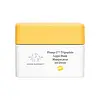
This hydrating lip mask is formulated around Sclerocarya Birrea Seed Oil and Palmitoyl Tripeptide-1 to hydrate lips and soften the look of wrinkles.
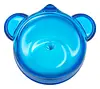
This hydrating lip mask is formulated around Bis-Diglyceryl Polyacyladipate-2 and Limnanthes Alba Seed Oil to hydrate lips.


What's inside
What's inside
 Key Ingredients
Benefits
Concerns
Ingredients Side-by-side
Bis-Diglyceryl Polyacyladipate-2
Emollient


Ricinus Communis Seed Oil
Masking

Hydroxystearic/Linolenic/Oleic Polyglycerides
EmollientHydrogenated Castor Oil
Emollient
Sclerocarya Birrea Seed Oil
Humectant

Polyhydroxystearic Acid
Emulsifying
Butyrospermum Parkii Butter
Skin Conditioning

Camellia Sinensis Seed Oil
Humectant
Mangifera Indica Seed Butter
Skin Conditioning
Persea Gratissima Oil
Skin Conditioning
Prunus Armeniaca Kernel Oil
Masking
Sclerocarya Birrea Seed Butter
Emollient
Euphorbia Cerifera Cera
Astringent
Sodium PCA
Humectant
Ethylhexyl Palmitate
Emollient
Palmitoyl Tripeptide-1
Skin Conditioning



Magnesium Ascorbyl Phosphate
Antioxidant




Epigallocatechin Gallate
Antioxidant
Sodium Hyaluronate Crosspolymer
Humectant
Sodium Lactate
Buffering
Oleic Acid
Emollient
PCA
Humectant
Alanine
Masking
Arginine
Masking
Glycine
Buffering
Histidine
Humectant
Isoleucine
Skin ConditioningPhenylalanine
Masking
Proline
Skin Conditioning
Serine
Masking
Threonine
Valine
MaskingPalmitic Acid
Emollient
Dipotassium Glycyrrhizate
Humectant
Linoleic Acid
Cleansing
Linolenic Acid
Cleansing
Aspartic Acid
Masking
Helianthus Annuus Seed Wax
Skin Conditioning
Tribehenin
Emollient
Stearic Acid
Cleansing
Tocopherol
Antioxidant
Pentylene Glycol
Skin Conditioning
Sorbitan Isostearate
Emulsifying
Lactic Acid
Buffering

Water
Skin ConditioningEthylhexylglycerin
Skin ConditioningBis-Diglyceryl Polyacyladipate-2, Ricinus Communis Seed Oil, Hydroxystearic/Linolenic/Oleic Polyglycerides, Hydrogenated Castor Oil, Sclerocarya Birrea Seed Oil, Polyhydroxystearic Acid, Butyrospermum Parkii Butter, Camellia Sinensis Seed Oil, Mangifera Indica Seed Butter, Persea Gratissima Oil, Prunus Armeniaca Kernel Oil, Sclerocarya Birrea Seed Butter, Euphorbia Cerifera Cera, Sodium PCA, Ethylhexyl Palmitate, Palmitoyl Tripeptide-1, Magnesium Ascorbyl Phosphate, Epigallocatechin Gallate, Sodium Hyaluronate Crosspolymer, Sodium Lactate, Oleic Acid, PCA, Alanine, Arginine, Glycine, Histidine, Isoleucine, Phenylalanine, Proline, Serine, Threonine, Valine, Palmitic Acid, Dipotassium Glycyrrhizate, Linoleic Acid, Linolenic Acid, Aspartic Acid, Helianthus Annuus Seed Wax, Tribehenin, Stearic Acid, Tocopherol, Pentylene Glycol, Sorbitan Isostearate, Lactic Acid, Water, Ethylhexylglycerin
Polyglyceryl-2 Triisostearate
Emulsifying
Polyglyceryl-2 Isostearate/Dimer Dilinoleate Copolymer
EmollientBis-Diglyceryl Polyacyladipate-2
Emollient
Phytosteryl/Isostearyl/Cetyl/Stearyl/Behenyl Dimer Dilinoleate
Skin Conditioning
Diisostearyl Malate
EmollientPolyethylene
Abrasive
Limnanthes Alba Seed Oil
Skin Conditioning
Glyceryl Behenate
Emollient
Hydrolyzed Sodium Hyaluronate
Skin Conditioning
Ethylhexyl Palmitate
Emollient
Polyglyceryl-3 Polyricinoleate
Emulsifying
Polyhydroxystearic Acid
Emulsifying
Lecithin
Emollient
Isopropyl Myristate
Emollient
Isostearic Acid
Cleansing
Tocopheryl Acetate
Antioxidant
Dehydroacetic Acid
Preservative
CI 77891
Cosmetic ColorantCI 19140
Cosmetic ColorantCI 15850
Cosmetic ColorantPolyglyceryl-2 Triisostearate, Polyglyceryl-2 Isostearate/Dimer Dilinoleate Copolymer, Bis-Diglyceryl Polyacyladipate-2, Phytosteryl/Isostearyl/Cetyl/Stearyl/Behenyl Dimer Dilinoleate, Diisostearyl Malate, Polyethylene, Limnanthes Alba Seed Oil, Glyceryl Behenate, Hydrolyzed Sodium Hyaluronate, Ethylhexyl Palmitate, Polyglyceryl-3 Polyricinoleate, Polyhydroxystearic Acid, Lecithin, Isopropyl Myristate, Isostearic Acid, Tocopheryl Acetate, Dehydroacetic Acid, CI 77891, CI 19140, CI 15850
Reviews
Ingredients Explained
These ingredients are found in both products.
Ingredients higher up in an ingredient list are typically present in a larger amount.
Bis-Diglyceryl Polyacyladipate-2 is a synthetic emollient that works as a lanolin substitute.
This ingredient is a great vegan option for those avoiding animal-derived ingredients.
It mostly stays on the surface of skin where it helps hydrate due to its large molecular size and low water solubility.
Due to it being derived from fatty acids, this ingredient may not be Malassezia or fungal acne safe.
Learn more about Bis-Diglyceryl Polyacyladipate-2Ethylhexyl Palmitate, also known as octyl palmitate, is created from 2-ethylhexyl alcohol and palmitic acid.
In cosmetics, it plays many roles:
One thing worth noting: a controlled study found this ingredient applied under occlusion to acne-prone subjects increased microcomedones. Just keep in mind this was under occlusive conditions and don't reflect how most products are used day-to-day.
For most people, this is a well-tolerated and lightweight ingredient.
This ingredient may not be fungal acne safe because it is an ester of palmitic acid, a C16 fatty acid that falls within the C11-24 range that Malassezia can metabolize.
You'll see this one rated 4 comedogenic all over the internet. That number isn't from a single study, and the actual research is more interesting.
The original rating comes from 1980s rabbit ear tests (which are a shaky basis for anything). But Ethylhexyl Palmitate is one of the few ingredients with real human data behind it. A 2021 controlled trial found this ingredient increased microcomedones by an average of 365% over four weeks.
Just know that test used the pure ingredient under an occlusive pad on back skin; most products use it at much lower levels alongside other ingredients and plenty of people use those with no issue.
Learn more about Ethylhexyl PalmitatePolyhydroxystearic Acid is a vegetable-derived soft wax made from castor oil. It's an emulsion stabilizer, thickener, and film former.
You'll likely see it in sunscreens because it helps disperse pigments and UV-reflecting minerals like titanium dioxide and zinc oxide evenly.
Depending on the concentration, it can drastically change the texture of a product from pasty solid (like lipstick) to sprayable liquid.
The CIR Expert Panel for Cosmetic Ingredient Safety has concluded this ingredient to be safe in cosmetics. The highest reported use concentration is 14.2% in lipsticks.
Learn more about Polyhydroxystearic Acid

