Drunk Elephant C-Firma Fresh Day Serum Versus Farmacy Very Cherry Bright 15% Clean Vitamin C Serum with Acerola Cherry
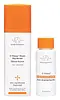
This brightening serum is formulated around Ascorbic Acid and Tocopherol to brighten dull-looking skin and soften the look of wrinkles.
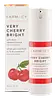
This brightening serum is formulated around 3-O-Ethyl Ascorbic Acid and Ascorbyl Tetraisopalmitate to brighten dull-looking skin and fade the look of dark spots.

What's inside
What's inside
 Key Ingredients
Benefits
Concerns
Ingredients Side-by-side
Water
Skin ConditioningDimethyl Isosorbide
SolventAscorbic Acid
Antioxidant






Laureth-23
Cleansing

Glycerin
Humectant

Tocopherol
Antioxidant

Lactobacillus/Pumpkin Ferment Extract
Skin ConditioningSclerocarya Birrea Seed Oil
Humectant


Dipotassium Glycyrrhizate
Humectant
Glycyrrhiza Glabra Root Extract
Bleaching
Vitis Vinifera Juice Extract
Antioxidant
Ferulic Acid
Antimicrobial
Phyllanthus Emblica Fruit Extract
HumectantCamellia Sinensis Leaf Extract
Antimicrobial

Lactobacillus/Punica Granatum Fruit Ferment Extract
Antioxidant
Propanediol
Solvent
Gluconolactone
Chelating

Sodium Hyaluronate Crosspolymer
Humectant
Sodium Hyaluronate
Humectant
Oryza Sativa Bran Extract
Skin Conditioning
Glutamylamidoethyl Imidazole
Tetrahydrobisdemethoxydiferuloylmethane
Antioxidant
Tetrahydrodemethoxydiferuloylmethane
Antioxidant
Tetrahydrodiferuloylmethane
Antioxidant
Pentylene Glycol
Skin Conditioning
Caprylhydroxamic Acid
ChelatingLeuconostoc/Radish Root Ferment Filtrate
Antimicrobial
Sorbic Acid
Preservative
Phenoxyethanol
Preservative
Sodium Benzoate
Masking
Caprylyl Glycol
Emollient
Chondrus Crispus Extract
Skin Conditioning
Ethylhexylglycerin
Skin ConditioningWater, Dimethyl Isosorbide, Ascorbic Acid, Laureth-23, Glycerin, Tocopherol, Lactobacillus/Pumpkin Ferment Extract, Sclerocarya Birrea Seed Oil, Dipotassium Glycyrrhizate, Glycyrrhiza Glabra Root Extract, Vitis Vinifera Juice Extract, Ferulic Acid, Phyllanthus Emblica Fruit Extract, Camellia Sinensis Leaf Extract, Lactobacillus/Punica Granatum Fruit Ferment Extract, Propanediol, Gluconolactone, Sodium Hyaluronate Crosspolymer, Sodium Hyaluronate, Oryza Sativa Bran Extract, Glutamylamidoethyl Imidazole, Tetrahydrobisdemethoxydiferuloylmethane, Tetrahydrodemethoxydiferuloylmethane, Tetrahydrodiferuloylmethane, Pentylene Glycol, Caprylhydroxamic Acid, Leuconostoc/Radish Root Ferment Filtrate, Sorbic Acid, Phenoxyethanol, Sodium Benzoate, Caprylyl Glycol, Chondrus Crispus Extract, Ethylhexylglycerin
Water
Skin ConditioningGlycerin
Humectant
3-Glyceryl Ascorbate
Antioxidant
Prunus Cerasus Fruit Water
Emollient3-O-Ethyl Ascorbic Acid
Skin Conditioning
Sodium Citrate
BufferingPropanediol
Solvent
Malpighia Punicifolia Fruit Extract
Antioxidant
Ascorbyl Tetraisopalmitate
Antioxidant
Glucomannan
Skin ConditioningSodium Hyaluronate Crosspolymer
Humectant
Sodium Hyaluronate
Humectant
Hydrolyzed Sodium Hyaluronate
Skin Conditioning
Sodium Acetylated Hyaluronate
Humectant
Calendula Officinalis Flower Extract
Masking
Allantoin
Skin Conditioning
Hydrolyzed Plukenetia Volubilis Seed Extract
Emulsion StabilisingPhysalis Angulata Extract
Skin ProtectingSorbitol
Humectant
Sodium Phytate
ChelatingBiosaccharide Gum-1
Humectant
Prunus Amygdalus Dulcis Fruit Extract
Skin ConditioningOryza Sativa Bran Extract
Skin Conditioning
Helianthus Annuus Extract
Emollient
Simmondsia Chinensis Seed Oil
Emollient
Tocopherol
Antioxidant
Rosmarinus Officinalis Leaf Extract
AntimicrobialVanilla Planifolia Fruit Extract
Skin Conditioning
Glyceryl Caprylate
EmollientEthylhexylglycerin
Skin ConditioningCaprylyl Glyceryl Ether
CleansingSclerotium Gum
Emulsion StabilisingLithospermum Erythrorhizon Root Extract
Skin ConditioningCitric Acid
Buffering
Polyglyceryl-4 Caprate
EmulsifyingPentylene Glycol
Skin Conditioning
Polyglyceryl-6 Caprylate
EmulsifyingButylene Glycol
Humectant
Caprylic/Capric Triglyceride
Masking
Caprylhydroxamic Acid
ChelatingSodium Levulinate
Skin ConditioningSodium Anisate
AntimicrobialSodium Benzoate
Masking
Water, Glycerin, 3-Glyceryl Ascorbate, Prunus Cerasus Fruit Water, 3-O-Ethyl Ascorbic Acid, Sodium Citrate, Propanediol, Malpighia Punicifolia Fruit Extract, Ascorbyl Tetraisopalmitate, Glucomannan, Sodium Hyaluronate Crosspolymer, Sodium Hyaluronate, Hydrolyzed Sodium Hyaluronate, Sodium Acetylated Hyaluronate, Calendula Officinalis Flower Extract, Allantoin, Hydrolyzed Plukenetia Volubilis Seed Extract, Physalis Angulata Extract, Sorbitol, Sodium Phytate, Biosaccharide Gum-1, Prunus Amygdalus Dulcis Fruit Extract, Oryza Sativa Bran Extract, Helianthus Annuus Extract, Simmondsia Chinensis Seed Oil, Tocopherol, Rosmarinus Officinalis Leaf Extract, Vanilla Planifolia Fruit Extract, Glyceryl Caprylate, Ethylhexylglycerin, Caprylyl Glyceryl Ether, Sclerotium Gum, Lithospermum Erythrorhizon Root Extract, Citric Acid, Polyglyceryl-4 Caprate, Pentylene Glycol, Polyglyceryl-6 Caprylate, Butylene Glycol, Caprylic/Capric Triglyceride, Caprylhydroxamic Acid, Sodium Levulinate, Sodium Anisate, Sodium Benzoate
Reviews
Ingredients Explained
These ingredients are found in both products.
Ingredients higher up in an ingredient list are typically present in a larger amount.
Caprylhydroxamic Acid is a chelating agent that helps cosmetics stay fresh, stable, and consistent over time.
Chelating agents help prevent metal ions from binding to other ingredients. This helps prevent unwanted reactions and effects from using the product. It also helps prevent the growth of unwanted microbes in products that contain water.
Caprylhydroxamic Acid is often used with natural antimicrobial products as an alternative to preservatives.
Learn more about Caprylhydroxamic AcidEthylhexylglycerin is created from glycerin. It is a multitasker ingredient that:
The CIR Expert Panel found minimal skin absorption or sensitization of any kind in a safety assessment. Though this ingredient is considered well-tolerated, a small number of cases of allergic dermatitis have been published since 2002. Just be sure to patch test if you are unsure.
Industry-reported use ranges from 8% in rinse-off products and 2% in leave-on formulations.
Learn more about EthylhexylglycerinGlycerin (or glycerol) is a compound naturally found in your skin. It's a powerhouse humectant that pulls water into the stratum corneum.
Topically, glycerin does several things at once:
Your skin makes glycerin on its own (mostly from sebaceous oil breakdown) and shuttles it to your outermost layer of skin, or your epidermis, via aquaporin-3.
Aquaporin-3 is a transporter that is essential for normal skin hydration, elasticity, and repair. Interestingly, mice lacking in AQP3 have dry and less elastic skin that can be fully corrected with glycerin.
This ingredient is non-irritating, plays well with almost every ingredient, and works across all skin types. Typical use is anywhere between 3-10% but can go up to 79% in some leave-on products.
Just know very high concentrations (>40%) can feel tacky in low humidity.
Glycerin is the name for this ingredient in American English. British English uses Glycerol/Glycerine.
Learn more about GlycerinOryza Sativa Bran Extract comes from the outer layer of a rice kernel. It is a byproduct of milling rice, or the operation to produce a whole grain rice product.
This ingredient has moisturizing properties due to its components of polysaccharides and omega-3 fatty acids. It also contains calcium, selenium, phosphorus, iron, and zinc.
Oryza Sativa Bran Extract contains numerous antioxidants such as ferulic acid. Antioxidants help fight free-radical molecules. Free-radical molecules are capable of damaging our cells and other genetic material.
Learn more about Oryza Sativa Bran ExtractPentylene Glycol (1,2-pentanediol) is a multitasking little diol with three main roles in a formula:
Research on alkanediols (the family pentylene glycol belongs to) show they work by disrupting microbial cell membranes. This disruption helps the primary preservative system in a product work more effectively at lower doses.
On the safety side, the Cosmetic Ingredient Review Expert Panel has concluded this ingredient to be safe as used in current cosmetic practices + concentrations.
Typical use levels in a formula run about 1-5%.
Learn more about Pentylene GlycolPropanediol is an all-star ingredient. It softens, hydrates, and smooths the skin.
It’s often used to:
Propanediol is not likely to cause sensitivity and considered safe to use. It is derived from corn or petroleum with a clear color and no scent.
Learn more about PropanediolSodium Benzoate is a preservative. It's used in both cosmetic and food products to inhibit the growth of mold and bacteria. It is typically produced synthetically.
Both the US FDA and EU Health Committee have approved the use of sodium benzoate. In the US, levels of 0.1% (of the total product) are allowed.
Sodium benzoate works as a preservative by inhibiting the growth of bacteria inside of cells. It prevents the cell from fermenting a type of sugar using an enzyme called phosphofructokinase.
It is the salt of benzoic acid. Foods containing sodium benzoate include soda, salad dressings, condiments, fruit juices, wines, and snack foods.
Studies for using ascorbic acid and sodium benzoate in cosmetics are lacking, especially in skincare routines with multiple steps.
We always recommend speaking with a professional, such as a dermatologist, if you have any concerns.
Learn more about Sodium BenzoateSodium Hyaluronate is the salt form of hyaluronic acid. It is a long sugar chain that is naturally found in your skin, joints, and connective tissue that maintains hydration and elasticity.
In skincare, it works as a humectant. It pulls water from the environment and deeper layers of skin and binds it to the surface.
Interestingly, the size of the molecule affects its behavior:
Some clinical evidence links low molecular weight versions to improved wrinkle depth, elasticity, anti-inflammatory effects, and barrier repair.
Many serums use a blend of both weights so you can get surface hydration plus longer-lasting and deeper effects.
You'll typically see concentrations between 0.1-2% for this ingredient.
Learn more about Sodium HyaluronateSodium Hyaluronate Crosspolymer is a crosslinked version of sodium hyaluronate. This just means it's linked into a 3D mesh network that lets it be more stable and sit on skin as a cohesive, gel-like film rather than sinking into skin.
A 2016 human skin study found crosslinked HA increased epidermal water content by 7.6% over the control group and reduced transepidermal water loss by 27.8%.
A follow-up clinical trial found that a topical crosslinked HA serum applied after fillers, microneedling, or chemical peels was well-tolerated and enhanced skin quality at 14 / 28 days.
More recent research suggests that concentrations as low as 0.03% can act as a penetration enhancer for other skincare actives.
Learn more about Sodium Hyaluronate CrosspolymerTocopherol is a fat-soluble antioxidant known as Vitamin E.
You'll find this ingredient in the vast majority of skincare (for good reason). It works to neutralize free radicals, or unstable molecules generated by UV exposure, pollution, and other environmental stressors, before they can cause oxidative damage to your skin cells.
Topically applied tocopherol has been shown to protect against UV damage by ramping up the skin's own natural defense enzymes.
It also acts as a skin conditioning agent; some studies show that regular topical use can improve the skin's water-binding capacity over 2-4 weeks.
This ingredient is especially loved for being a team player. When combined with Vitamin C, the photoprotective effect of both ingredients roughly doubles and the combo also helps reduce UV-induced DNA damage.
This ingredient has some brightening potential but it's more of a prevention ingredient than spot-fader. Cell studies show it can slow down melanin production but it's worth noting that it's not the most powerful brightener out there.
In formulations, it also serves as a stabilizer that helps protect other oxidation-prone ingredients from degrading.
Concentrations usually range from 0.1-1% in most leave-on products.
Learn more about TocopherolWater. It's the most common cosmetic ingredient of all. You'll usually see it at the top of ingredient lists, meaning that it makes up the largest part of the product.
So why is it so popular? Water most often acts as a solvent - this means that it helps dissolve other ingredients into the formulation.
You'll also recognize water as that liquid we all need to stay alive. If you see this, drink a glass of water. Remember to stay hydrated!
Learn more about Water

