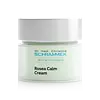
This calming moisturizer is formulated around Panthenol and Ruscus Aculeatus Root Extract to calm redness and strengthen the skin barrier.
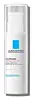
This calming moisturizer is formulated around Sphingomonas Ferment Extract and Acetyl Dipeptide-1 Cetyl Ester to calm redness.


What's inside
What's inside
 Key Ingredients
Benefits
Concerns
Ingredients Side-by-side
Water
Skin ConditioningCetearyl Alcohol
Emollient






Glycerin
Humectant


Octyldodecanol
Emollient
C12-15 Alkyl Benzoate
AntimicrobialSqualane
Emollient
Dicaprylyl Carbonate
EmollientButylene Glycol
Humectant
CI 77891
Cosmetic ColorantZinc Oxide
Cosmetic Colorant


Vitis Vinifera Seed Oil
Emollient

Hydrogenated Coco-Glycerides
Emollient
Glyceryl Stearate
Emollient
Panthenol
Skin Conditioning
Tocopheryl Acetate
Antioxidant


Mica
Cosmetic ColorantEchium Plantagineum Seed Oil
Skin Conditioning
Ruscus Aculeatus Root Extract
Astringent
Calendula Officinalis Flower Extract
Masking
Centella Asiatica Leaf Extract
Skin Conditioning
Cardiospermum Halicacabum Flower/Leaf/Vine Extract
Skin ConditioningHelianthus Annuus Seed Oil Unsaponifiables
Emollient
Hydrolyzed Yeast Protein
Skin ConditioningAmmonium Glycyrrhizate
MaskingSodium Acrylate/Sodium Acryloyldimethyl Taurate Copolymer
Emulsion StabilisingCaprylyl/Capryl Glucoside
CleansingCetearyl Glucoside
Emulsifying
Ascorbyl Glucoside
Antioxidant
Sodium Stearoyl Glutamate
CleansingSorbitan Oleate
Emulsifying
Polyisobutene
Xanthan Gum
Emulsifying1,2-Hexanediol
Skin Conditioning
Caprylyl Glycol
Emollient
Bisabolol
Antioxidant
Pantolactone
Humectant
Escin
TonicRutin
Antioxidant
Tin Oxide
Abrasive
Tocopherol
Antioxidant
Sodium Citrate
BufferingCitric Acid
Buffering
Sodium Hydroxide
BufferingPhenoxyethanol
Preservative
Ethylhexylglycerin
Skin ConditioningCI 47005
Cosmetic ColorantCI 61570
Cosmetic ColorantWater, Cetearyl Alcohol, Glycerin, Octyldodecanol, C12-15 Alkyl Benzoate, Squalane, Dicaprylyl Carbonate, Butylene Glycol, CI 77891, Zinc Oxide, Vitis Vinifera Seed Oil, Hydrogenated Coco-Glycerides, Glyceryl Stearate, Panthenol, Tocopheryl Acetate, Mica, Echium Plantagineum Seed Oil, Ruscus Aculeatus Root Extract, Calendula Officinalis Flower Extract, Centella Asiatica Leaf Extract, Cardiospermum Halicacabum Flower/Leaf/Vine Extract, Helianthus Annuus Seed Oil Unsaponifiables, Hydrolyzed Yeast Protein, Ammonium Glycyrrhizate, Sodium Acrylate/Sodium Acryloyldimethyl Taurate Copolymer, Caprylyl/Capryl Glucoside, Cetearyl Glucoside, Ascorbyl Glucoside, Sodium Stearoyl Glutamate, Sorbitan Oleate, Polyisobutene, Xanthan Gum, 1,2-Hexanediol, Caprylyl Glycol, Bisabolol, Pantolactone, Escin, Rutin, Tin Oxide, Tocopherol, Sodium Citrate, Citric Acid, Sodium Hydroxide, Phenoxyethanol, Ethylhexylglycerin, CI 47005, CI 61570
Water
Skin ConditioningGlycerin
Humectant
Isostearyl Neopentanoate
Emollient
Butylene Glycol
Humectant
Boron Nitride
Absorbent
Butyrospermum Parkii Butter
Skin Conditioning
CI 77891
Cosmetic ColorantPentylene Glycol
Skin Conditioning
Hydrogenated Coco-Glycerides
Emollient
Polysorbate 20
Emulsifying
Zea Mays Starch
Absorbent
Schisandra Sphenanthera Fruit Extract
Antioxidant
Tin Oxide
Abrasive
Sorbitan Oleate
Emulsifying
Glyceryl Acrylate/Acrylic Acid Copolymer
HumectantGlyceryl Stearate Citrate
Emollient
Isohexadecane
EmollientSphingomonas Ferment Extract
Skin Conditioning
Silica
Abrasive
Aluminum Hydroxide
EmollientMannitol
Humectant
Ammonium Polyacryloyldimethyl Taurate
Emulsion StabilisingHydrogenated Lecithin
Emulsifying
Caprylyl Glycol
Emollient
Citric Acid
Buffering
Trisodium Ethylenediamine Disuccinate
ChelatingAcetyl Dipeptide-1 Cetyl Ester
Skin Conditioning
Maltodextrin
Absorbent
Polysorbate 80
Emulsifying
Acrylamide/Sodium Acryloyldimethyltaurate Copolymer
Emulsion StabilisingMica
Cosmetic ColorantCI 77288
Cosmetic ColorantCI 77491
Cosmetic ColorantCI 77492
Cosmetic ColorantCI 77499
Cosmetic ColorantWater, Glycerin, Isostearyl Neopentanoate, Butylene Glycol, Boron Nitride, Butyrospermum Parkii Butter, CI 77891, Pentylene Glycol, Hydrogenated Coco-Glycerides, Polysorbate 20, Zea Mays Starch, Schisandra Sphenanthera Fruit Extract, Tin Oxide, Sorbitan Oleate, Glyceryl Acrylate/Acrylic Acid Copolymer, Glyceryl Stearate Citrate, Isohexadecane, Sphingomonas Ferment Extract, Silica, Aluminum Hydroxide, Mannitol, Ammonium Polyacryloyldimethyl Taurate, Hydrogenated Lecithin, Caprylyl Glycol, Citric Acid, Trisodium Ethylenediamine Disuccinate, Acetyl Dipeptide-1 Cetyl Ester, Maltodextrin, Polysorbate 80, Acrylamide/Sodium Acryloyldimethyltaurate Copolymer, Mica, CI 77288, CI 77491, CI 77492, CI 77499
Reviews
Ingredients Explained
These ingredients are found in both products.
Ingredients higher up in an ingredient list are typically present in a larger amount.
Butylene Glycol (or BG) is used within cosmetic products for a few different reasons:
Overall, Butylene Glycol is a safe and well-rounded ingredient that works well with other ingredients.
Though this ingredient works well with most skin types, some people with sensitive skin may experience a reaction such as allergic rashes, closed comedones, or itchiness.
Learn more about Butylene GlycolCaprylyl Glycol is a humectant, skin conditioner, emollient, and preservative booster derived from either caprylic acid or synthetically created.
Typical use levels vary from 0.3-1% as a preservative booster and go up to 2% to condition skin.
Because it is not a free-fatty acid, this ingredient is fungal acne safe (there's nothing for Malassezia to feed on).
Learn more about Caprylyl GlycolCi 77891 is a white pigment from Titanium dioxide. It is naturally found in minerals such as rutile and ilmenite.
It's main function is to add a white color to cosmetics. It can also be mixed with other colors to create different shades.
Ci 77891 is commonly found in sunscreens due to its ability to block UV rays.
Learn more about CI 77891Citric Acid is an alpha hydroxy acid (AHA) naturally found in citrus fruits like oranges, lemons, and limes.
Like other AHAs, citric acid can exfoliate skin by breaking down the bonds that hold dead skin cells together. This helps reveal smoother and brighter skin underneath.
However, this exfoliating effect only happens at high concentrations (20%) which can be hard to find in cosmetic products.
Due to this, citric acid is usually included in small amounts as a pH adjuster. This helps keep products slightly more acidic and compatible with skin's natural pH.
In skincare formulas, citric acid can:
While it can provide some skin benefits, research shows lactic acid and glycolic acid are generally more effective and less irritating exfoliants.
Most citric acid used in skincare today is made by fermenting sugars (usually from molasses). This synthetic version is identical to the natural citrus form but easier to stabilize and use in formulations.
Rosacea skin has a lower threshold for acids generally, with 62.5% of rosacea subjects in one study reacting to lactic acid in a sting test. This is why we mark citric acid as a potential rosacea trigger.
However, this ingredient shows up as a pH adjuster or chelator at roughly 0.1-1% in many products. These low levels are unlikely to be an issue for rosacea skin and becomes a potential trigger at exfoliating concentrations (20%). Because everybody's skin is unique, we recommend a patch test if you are unsure.
Learn more about Citric AcidGlycerin (or glycerol) is a compound naturally found in your skin. It's a powerhouse humectant that pulls water into the stratum corneum.
Topically, glycerin does several things at once:
Your skin makes glycerin on its own (mostly from sebaceous oil breakdown) and shuttles it to your outermost layer of skin, or your epidermis, via aquaporin-3.
Aquaporin-3 is a transporter that is essential for normal skin hydration, elasticity, and repair. Interestingly, mice lacking in AQP3 have dry and less elastic skin that can be fully corrected with glycerin.
This ingredient is non-irritating, plays well with almost every ingredient, and works across all skin types. Typical use is anywhere between 3-10% but can go up to 79% in some leave-on products.
Just know very high concentrations (>40%) can feel tacky in low humidity.
Glycerin is the name for this ingredient in American English. British English uses Glycerol/Glycerine.
Learn more about GlycerinHydrogenated Coco-Glycerides isn't fungal acne safe.
Mica is a naturally occurring mineral used to add shimmer and color in cosmetics. It can also help improve the texture of a product or give it an opaque, white/silver color.
Serecite is the name for very fine but ragged grains of mica.
This ingredient is often coated with metal oxides like titanium dioxide. Trace amounts of heavy metals may be found in mica, but these metals are not harmful in our personal products.
Mica has been used since prehistoric times throughout the world. Ancient Egyptian, Indian, Greek, Roman, Aztec, and Chinese civilizations have used mica.
Learn more about MicaSorbitan Oleate is a PEG-free emulsifier made by esterifying sorbitol with oleic acid.
You'll likely see it paired with Polysorbate 80 to create the right emulsification balance.
Typical use levels in formulas range from 2-10%.
The CIR Expert Panel has concluded this ingredient to be safe as a cosmetic ingredient.
Since this ingredient is an ester of oleic acid, it may not be fungal acne safe. Oleic acid is a fatty acid that falls into the C11-24 range that Malassezia can metabolize.
This ingredient does have a comedogenic rating of 3, but this doesn't mean a formula with this ingredient will clog pores. Human testing has proved that any finished product with a comedogenic ingredient won't automatically make you break out; it really comes down to concentration, formula, and your skin.
Learn more about Sorbitan OleateTin Oxide is an inorganic oxide used to add opacity and volume to a product. In nature, it is already found in mineral form. The main ore of tin is an opaque and shiny mineral called casseterite.
Tin Oxide helps remove translucency in a product, or make it more opaque. Besides adding opacity, tin oxide is used for bulking to add volume.
Water. It's the most common cosmetic ingredient of all. You'll usually see it at the top of ingredient lists, meaning that it makes up the largest part of the product.
So why is it so popular? Water most often acts as a solvent - this means that it helps dissolve other ingredients into the formulation.
You'll also recognize water as that liquid we all need to stay alive. If you see this, drink a glass of water. Remember to stay hydrated!
Learn more about Water

