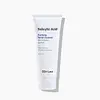
This salicylic acid gel cleanser is formulated around Salicylic Acid to clear breakouts and unclog pores.


What's inside
What's inside
 Key Ingredients
Benefits
Concerns
Ingredients Side-by-side
Water
Skin ConditioningGlycerin
Humectant


Dipropylene Glycol
HumectantSodium Cocoamphoacetate
CleansingPotassium Cocoyl Glycinate
Surfactant
Chondrus Crispus
Masking

Potassium Cocoate
Emulsifying
Sodium Lauroyl Sarcosinate
CleansingDecyl Glucoside
Cleansing
Sodium Polyacrylate
Absorbent
Glyceryl Caprylate
EmollientDecylene Glycol
Skin ConditioningAcacia Senegal Gum
MaskingXanthan Gum
EmulsifyingSodium Lauroyl Glutamate
SurfactantPropanediol
Solvent
Hydrated Silica
Abrasive
Cinnamomum Cassia Extract
Skin ConditioningSerenoa Serrulata Fruit Extract
Skin Conditioning
Lactobionic Acid
Buffering





Trehalose
Humectant
Dipotassium Glycyrrhizate
Humectant

Mandelic Acid
Antimicrobial



Butylene Glycol
Humectant
Cyclodextrin
AbsorbentSalicylic Acid
Masking

Betaine
Humectant
Sapindus Mukorossi Peel Extract
Skin ConditioningPanthenol
Skin Conditioning
Sodium PCA
Humectant
Sorbitol
Humectant
Escin
TonicRuscus Aculeatus Root Extract
Astringent
1,2-Hexanediol
Skin Conditioning
Chondrus Crispus Extract
Skin Conditioning
Ammonium Glycyrrhizate
MaskingCentella Asiatica Leaf Extract
Skin Conditioning
Hydroxyacetophenone
Antioxidant
Phenoxyethanol
Preservative
Hydrolyzed Yeast Protein
Skin ConditioningAlanine
Masking
Lysine
Skin ConditioningArginine
Masking
Calendula Officinalis Flower Extract
Masking
Serine
Masking
Glycine
Buffering
Sodium Citrate
BufferingThreonine
Sodium Hyaluronate
Humectant
Gluconolactone
Chelating
Proline
Skin Conditioning
Sodium Benzoate
Masking
Glutamic Acid
Humectant
Water, Glycerin, Dipropylene Glycol, Sodium Cocoamphoacetate, Potassium Cocoyl Glycinate, Chondrus Crispus, Potassium Cocoate, Sodium Lauroyl Sarcosinate, Decyl Glucoside, Sodium Polyacrylate, Glyceryl Caprylate, Decylene Glycol, Acacia Senegal Gum, Xanthan Gum, Sodium Lauroyl Glutamate, Propanediol, Hydrated Silica, Cinnamomum Cassia Extract, Serenoa Serrulata Fruit Extract, Lactobionic Acid, Trehalose, Dipotassium Glycyrrhizate, Mandelic Acid, Butylene Glycol, Cyclodextrin, Salicylic Acid, Betaine, Sapindus Mukorossi Peel Extract, Panthenol, Sodium PCA, Sorbitol, Escin, Ruscus Aculeatus Root Extract, 1,2-Hexanediol, Chondrus Crispus Extract, Ammonium Glycyrrhizate, Centella Asiatica Leaf Extract, Hydroxyacetophenone, Phenoxyethanol, Hydrolyzed Yeast Protein, Alanine, Lysine, Arginine, Calendula Officinalis Flower Extract, Serine, Glycine, Sodium Citrate, Threonine, Sodium Hyaluronate, Gluconolactone, Proline, Sodium Benzoate, Glutamic Acid
Water
Skin ConditioningPotassium Palm Kernelate
CleansingPotassium Cocoate
Emulsifying
Potassium Cocoyl Glycinate
Surfactant
Sodium Cocoyl Glycinate
Cleansing
Lauryl Hydroxysultaine
CleansingMilk Protein Extract
Glycol Distearate
Emollient
Niacinamide
Smoothing
Arginine
Masking
Ceramide EOP
Skin Conditioning
Ceramide Ns
Skin Conditioning
Ceramide NP
Skin Conditioning
Ceramide As
Skin Conditioning
Ceramide AP
Skin Conditioning
Propylene Glycol
Humectant
Potassium Palmitate
EmulsifyingSodium Methyl Lauroyl Taurate
CleansingSodium Chloride
MaskingHydroxypropyl Methylcellulose
Emulsion StabilisingPolyquaternium-43
Polyquaternium-7
Stearic Acid
Cleansing
Hydroxystearic Acid
Cleansing
Methylparaben
Preservative

Propylparaben
Preservative
Sodium Benzoate
Masking
Aroma

Water, Potassium Palm Kernelate, Potassium Cocoate, Potassium Cocoyl Glycinate, Sodium Cocoyl Glycinate, Lauryl Hydroxysultaine, Milk Protein Extract, Glycol Distearate, Niacinamide, Arginine, Ceramide EOP, Ceramide Ns, Ceramide NP, Ceramide As, Ceramide AP, Propylene Glycol, Potassium Palmitate, Sodium Methyl Lauroyl Taurate, Sodium Chloride, Hydroxypropyl Methylcellulose, Polyquaternium-43, Polyquaternium-7, Stearic Acid, Hydroxystearic Acid, Methylparaben, Propylparaben, Sodium Benzoate, Aroma
Reviews
Ingredients Explained
These ingredients are found in both products.
Ingredients higher up in an ingredient list are typically present in a larger amount.
Arginine is a semi-essential amino acid. This just means our bodies can product a bit on its own, but sometimes needs a little boost from food sources.
It is a part of your skin's natural moisturizing factor (NMF), or the water-loving molecules in your outermost layer of skin (stratum corneum) that keeps everything hydrated and happy.
Here's an interesting thing about Arginine: your skin converts it into urea through the Krebs-Henseleit urea cycle. Urea is one of the most effective humectants your skin naturally produces.
A clinical study showed applying 2.5% arginine hydrochloride to atopic dermatitis skin showed significant urea levels in the stratum corneum and improved moisture in just four weeks.
Arginine is also a precursor to nitric oxide; nitric oxide improves microcirculation and supports wound healing and collagen synthesis.
One study found that an amino acid complex containing Arginine reduced skin irritation, improved hydration, and accelerated skin repair in clinical / in-vivo studies.
Arginine itself is an amino acid and not a fatty acid, oil, or ester. On its own, it's not a direct food source for Malassezia, or the yeast that causes fungal acne.
Learn more about ArgininePotassium Cocoate is basically a liquid coconut soap that's made by cooking coconut oil with potassium hydroxide.
It's a cleanser, foaming, and emulsifying agent that mostly shows up in soaps and "natural" cleansers.
Rinse-off concentrations typically range from 2-25%.
The finished product sits at a fairly high pH (~9-11) because it's a true soap. This just means it can feel drying or slightly stripping if a formula isn't balance with emollients.
Allergy and irritation risk is low as this ingredient was found to be an irritant in less than 1% of subjects (2 of these subjects had active psoriasis and 3 had active eczema).
Fungal acne: The Malassezia yeast feeds on fatty acids in the ~C12-24 range, and Potassium Cocoate is made of exactly those (Lauric C12, Myristic C14, Palmitic C16, Oleic C18:1). Lab studies have shown the yeast can take up Lauric Acid and grows readily on Palmitic Acid. Therefore, this ingredient may not be fungal acne safe.
Learn more about Potassium CocoatePotassium Cocoyl Glycinate is an amino acid-based surfactant and cleaning agent. This ingredient can be derived from animals or plants. It may also be synthetically created from fatty acids of the coconut and glycine.
Potassium Cocoyl Glycinate is a gentle surfactant. Surfactants help gather the dirt, oil, and other pollutants from your skin to be rinsed away. It is a mild cleanser and naturally produces foam.
Sodium Benzoate is a preservative. It's used in both cosmetic and food products to inhibit the growth of mold and bacteria. It is typically produced synthetically.
Both the US FDA and EU Health Committee have approved the use of sodium benzoate. In the US, levels of 0.1% (of the total product) are allowed.
Sodium benzoate works as a preservative by inhibiting the growth of bacteria inside of cells. It prevents the cell from fermenting a type of sugar using an enzyme called phosphofructokinase.
It is the salt of benzoic acid. Foods containing sodium benzoate include soda, salad dressings, condiments, fruit juices, wines, and snack foods.
Studies for using ascorbic acid and sodium benzoate in cosmetics are lacking, especially in skincare routines with multiple steps.
We always recommend speaking with a professional, such as a dermatologist, if you have any concerns.
Learn more about Sodium BenzoateWater. It's the most common cosmetic ingredient of all. You'll usually see it at the top of ingredient lists, meaning that it makes up the largest part of the product.
So why is it so popular? Water most often acts as a solvent - this means that it helps dissolve other ingredients into the formulation.
You'll also recognize water as that liquid we all need to stay alive. If you see this, drink a glass of water. Remember to stay hydrated!
Learn more about Water

