Dr.Leo Salicylic Acid Purifying Facial Cleanser Versus Bio Essence Bio-Bright Hydra Glow Gel Cleanser
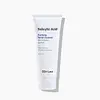
This salicylic acid gel cleanser is formulated around Salicylic Acid to clear breakouts and unclog pores.
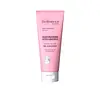
This lactic acid foaming cleanser is formulated around Lactic Acid to exfoliate and smooth skin.


What's inside
What's inside
 Key Ingredients
Benefits
Concerns
Ingredients Side-by-side
Water
Skin ConditioningGlycerin
Humectant


Dipropylene Glycol
HumectantSodium Cocoamphoacetate
CleansingPotassium Cocoyl Glycinate
Surfactant
Chondrus Crispus
Masking

Potassium Cocoate
Emulsifying
Sodium Lauroyl Sarcosinate
CleansingDecyl Glucoside
Cleansing
Sodium Polyacrylate
Absorbent
Glyceryl Caprylate
EmollientDecylene Glycol
Skin ConditioningAcacia Senegal Gum
MaskingXanthan Gum
EmulsifyingSodium Lauroyl Glutamate
SurfactantPropanediol
Solvent
Hydrated Silica
Abrasive
Cinnamomum Cassia Extract
Skin ConditioningSerenoa Serrulata Fruit Extract
Skin Conditioning
Lactobionic Acid
Buffering





Trehalose
Humectant
Dipotassium Glycyrrhizate
Humectant

Mandelic Acid
Antimicrobial



Butylene Glycol
Humectant
Cyclodextrin
AbsorbentSalicylic Acid
Masking

Betaine
Humectant
Sapindus Mukorossi Peel Extract
Skin ConditioningPanthenol
Skin Conditioning
Sodium PCA
Humectant
Sorbitol
Humectant
Escin
TonicRuscus Aculeatus Root Extract
Astringent
1,2-Hexanediol
Skin Conditioning
Chondrus Crispus Extract
Skin Conditioning
Ammonium Glycyrrhizate
MaskingCentella Asiatica Leaf Extract
Skin Conditioning
Hydroxyacetophenone
Antioxidant
Phenoxyethanol
Preservative
Hydrolyzed Yeast Protein
Skin ConditioningAlanine
Masking
Lysine
Skin ConditioningArginine
Masking
Calendula Officinalis Flower Extract
Masking
Serine
Masking
Glycine
Buffering
Sodium Citrate
BufferingThreonine
Sodium Hyaluronate
Humectant
Gluconolactone
Chelating
Proline
Skin Conditioning
Sodium Benzoate
Masking
Glutamic Acid
Humectant
Water, Glycerin, Dipropylene Glycol, Sodium Cocoamphoacetate, Potassium Cocoyl Glycinate, Chondrus Crispus, Potassium Cocoate, Sodium Lauroyl Sarcosinate, Decyl Glucoside, Sodium Polyacrylate, Glyceryl Caprylate, Decylene Glycol, Acacia Senegal Gum, Xanthan Gum, Sodium Lauroyl Glutamate, Propanediol, Hydrated Silica, Cinnamomum Cassia Extract, Serenoa Serrulata Fruit Extract, Lactobionic Acid, Trehalose, Dipotassium Glycyrrhizate, Mandelic Acid, Butylene Glycol, Cyclodextrin, Salicylic Acid, Betaine, Sapindus Mukorossi Peel Extract, Panthenol, Sodium PCA, Sorbitol, Escin, Ruscus Aculeatus Root Extract, 1,2-Hexanediol, Chondrus Crispus Extract, Ammonium Glycyrrhizate, Centella Asiatica Leaf Extract, Hydroxyacetophenone, Phenoxyethanol, Hydrolyzed Yeast Protein, Alanine, Lysine, Arginine, Calendula Officinalis Flower Extract, Serine, Glycine, Sodium Citrate, Threonine, Sodium Hyaluronate, Gluconolactone, Proline, Sodium Benzoate, Glutamic Acid
Water
Skin ConditioningAmmonium Lauryl Sulfate
Cleansing
Sodium Cocoyl Alaninate
Surfactant
Cocamidopropyl Betaine
Cleansing
Acrylates/C10-30 Alkyl Acrylate Crosspolymer
Emulsion StabilisingButylene Glycol
Humectant
Lactic Acid
Buffering
PEG-8
HumectantSodium Hydroxide
BufferingNiacinamide
Smoothing
Euglena Gracilis Extract
Skin Conditioning1,2-Hexanediol
Skin Conditioning
Xanthan Gum
EmulsifyingPrunus Serrulata Flower Extract
Skin ConditioningCaprylyl Glycol
Emollient
Glucose
Humectant
Tocopherol
Antioxidant
Sodium Hyaluronate
Humectant
Chondrus Crispus Extract
Skin Conditioning
Hyaluronic Acid
Humectant
Hydrolyzed Hyaluronic Acid
Humectant
Hydrolyzed Sodium Hyaluronate
Skin Conditioning
Hydroxypropyltrimonium Hyaluronate
Potassium Hyaluronate
Skin ConditioningSodium Acetylated Hyaluronate
Humectant
Sodium Hyaluronate Crosspolymer
Humectant
Parfum
Masking
Methylchloroisothiazolinone
Preservative
Methylisothiazolinone
Preservative
CI 16035
Cosmetic ColorantWater, Ammonium Lauryl Sulfate, Sodium Cocoyl Alaninate, Cocamidopropyl Betaine, Acrylates/C10-30 Alkyl Acrylate Crosspolymer, Butylene Glycol, Lactic Acid, PEG-8, Sodium Hydroxide, Niacinamide, Euglena Gracilis Extract, 1,2-Hexanediol, Xanthan Gum, Prunus Serrulata Flower Extract, Caprylyl Glycol, Glucose, Tocopherol, Sodium Hyaluronate, Chondrus Crispus Extract, Hyaluronic Acid, Hydrolyzed Hyaluronic Acid, Hydrolyzed Sodium Hyaluronate, Hydroxypropyltrimonium Hyaluronate, Potassium Hyaluronate, Sodium Acetylated Hyaluronate, Sodium Hyaluronate Crosspolymer, Parfum, Methylchloroisothiazolinone, Methylisothiazolinone, CI 16035
Reviews
Ingredients Explained
These ingredients are found in both products.
Ingredients higher up in an ingredient list are typically present in a larger amount.
1,2-Hexanediol is a synthetic liquid and another multi-functional powerhouse.
It is a:
- Humectant, drawing moisture into the skin
- Emollient, helping to soften skin
- Solvent, dispersing and stabilizing formulas
- Preservative booster, enhancing the antimicrobial activity of other preservatives
Butylene Glycol (or BG) is used within cosmetic products for a few different reasons:
Overall, Butylene Glycol is a safe and well-rounded ingredient that works well with other ingredients.
Though this ingredient works well with most skin types, some people with sensitive skin may experience a reaction such as allergic rashes, closed comedones, or itchiness.
Learn more about Butylene GlycolThis ingredient comes from the red seaweed that grows along the North Atlantic. It's the same alga that gives us carrageenan, the thickener in your oat milk.
The extract is mostly big sulfated sugar molecules (polysaccharides) plus some minerals and protein.
What those sugars do is simple and useful: they hold onto water and form a light film on the skin. That means they boost hydration, add a bit of slip, and leave a soft, cushiony feel.
It also helps with texture and thickness.
You'll see claims about anti-aging and "second skin" effects but those come mostly from supplier marketing.
The real research is cell-culture stuff and there's no human trial on this ingredient specifically (yet). So for now, treat it as a nice hydrator and texture helper, not an active.
Safety-wise, it's pretty solid. The Cosmetic Ingredient Review panel rated it safe as used, human sensitization tests came back negative, and it wasn't irritating in skin or eye tests.
Typical use levels are 0.5% or lower.
You'll see algae listed as a 5/5 on a lot of pore-clogging charts and that number doesn't come from anywhere; it's not in the original rabbit-ear studies that most comedogenic ratings trace back to.
The reasoning behind the reputation is that seaweed is high in iodine and iodine can trigger acne-like breakouts when eaten. This traces back to a 1976 letter in Archives of Dermatology describing two women whose breakouts cleared after they stopped taking high-dose kelp supplements orally.
And the reaction of these two women wasn't clogged pores at all: it was an iodine-triggered pustular rash. Later research found normal dietary iodine doesn't meaningfully affect acne either and nobody has shown topical algae delivers enough iodine to matter.
What we do have is dozens of brown and red algae ingredients found to be non-irritating and non-sensitizing, and a handful of studies that found algae compounds may actually help acne.
However, plenty of people do report breaking out from algae-containing products. Skin is individual and it's worth avoiding if yours has reacted to algae before.
Learn more about Chondrus Crispus ExtractSodium Hyaluronate is the salt form of hyaluronic acid. It is a long sugar chain that is naturally found in your skin, joints, and connective tissue that maintains hydration and elasticity.
In skincare, it works as a humectant. It pulls water from the environment and deeper layers of skin and binds it to the surface.
Interestingly, the size of the molecule affects its behavior:
Some clinical evidence links low molecular weight versions to improved wrinkle depth, elasticity, anti-inflammatory effects, and barrier repair.
Many serums use a blend of both weights so you can get surface hydration plus longer-lasting and deeper effects.
You'll typically see concentrations between 0.1-2% for this ingredient.
Learn more about Sodium HyaluronateWater. It's the most common cosmetic ingredient of all. You'll usually see it at the top of ingredient lists, meaning that it makes up the largest part of the product.
So why is it so popular? Water most often acts as a solvent - this means that it helps dissolve other ingredients into the formulation.
You'll also recognize water as that liquid we all need to stay alive. If you see this, drink a glass of water. Remember to stay hydrated!
Learn more about WaterXanthan gum is used as a stabilizer and thickener within cosmetic products. It helps give products a sticky, thick feeling - preventing them from being too runny.
On the technical side of things, xanthan gum is a polysaccharide - a combination consisting of multiple sugar molecules bonded together.
Xanthan gum is a pretty common and great ingredient. It is a natural, non-toxic, non-irritating ingredient that is also commonly used in food products.
Learn more about Xanthan Gum

