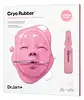
This hydrating sheet mask is formulated around Niacinamide and Allantoin to hydrate skin and calm redness.
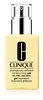
This moisturizer is formulated around Caffeine and Sodium Hyaluronate to hydrate skin.


What's inside
What's inside
 Key Ingredients
Benefits
Concerns
Ingredients Side-by-side
Water
Skin ConditioningDipropylene Glycol
HumectantGlycerin
Humectant


Caprylic/Capric Triglyceride
Masking
Niacinamide
Smoothing









Butylene Glycol
Humectant
1,2-Hexanediol
Skin Conditioning
PEG-240/Hdi Copolymer Bis-Decyltetradeceth-20 Ether
StabilisingGlyceryl Stearate
Emollient

PEG-100 Stearate
Surfactant
Sorbitan Sesquioleate
Emulsifying
Glycereth-26
Humectant
Dimethicone
Emollient
Cetearyl Alcohol
Emollient



Trehalose
Humectant
Mangifera Indica Seed Butter
Skin Conditioning
Macadamia Ternifolia Seed Oil
Emollient
Hydrolyzed Collagen
Emollient
Glyceryl Acrylate/Acrylic Acid Copolymer
HumectantEthylhexylglycerin
Skin ConditioningDisodium EDTA
ChelatingBetaine
Humectant
Allantoin
Skin Conditioning
Adenosine
Skin Conditioning
Eclipta Prostrata Extract
Skin Conditioning
Melia Azadirachta Leaf Extract
Skin ConditioningTocopherol
Antioxidant

Potassium Laurate
EmulsifyingMoringa Oleifera Seed Oil
Emollient
Undaria Pinnatifida Extract
Skin ConditioningMusa Sapientum Fruit Extract
Skin ConditioningCynara Scolymus Leaf Extract
Skin ConditioningBrassica Oleracea Capitata Leaf Extract
Skin ConditioningAsparagus Officinalis Extract
Skin ConditioningAllium Cepa Bulb Extract
Skin Conditioning
Methylpropanediol
SolventChondrus Crispus Extract
Skin Conditioning
Xanthan Gum
EmulsifyingCeratonia Siliqua Gum
EmollientPotassium Chloride
Hydroxyacetophenone
Antioxidant
Sucrose
Humectant
Panthenol
Skin Conditioning
Polyglyceryl-10 Laurate
Skin Conditioning
Algin
MaskingTitanium Dioxide
Cosmetic Colorant

Caprylyl Glycol
Emollient
Calcium Chloride
AstringentDipotassium Glycyrrhizate
Humectant
Sodium Citrate
BufferingCeratonia Siliqua Fruit Extract
MaskingCitric Acid
Buffering
Xylitylglucoside
Humectant
Anhydroxylitol
Humectant
Xylitol
Humectant
Hydrogen Dimethicone
Glucose
Humectant
Kaolin
Abrasive
Diatomaceous Earth
Abrasive
Water, Dipropylene Glycol, Glycerin, Caprylic/Capric Triglyceride, Niacinamide, Butylene Glycol, 1,2-Hexanediol, PEG-240/Hdi Copolymer Bis-Decyltetradeceth-20 Ether, Glyceryl Stearate, PEG-100 Stearate, Sorbitan Sesquioleate, Glycereth-26, Dimethicone, Cetearyl Alcohol, Trehalose, Mangifera Indica Seed Butter, Macadamia Ternifolia Seed Oil, Hydrolyzed Collagen, Glyceryl Acrylate/Acrylic Acid Copolymer, Ethylhexylglycerin, Disodium EDTA, Betaine, Allantoin, Adenosine, Eclipta Prostrata Extract, Melia Azadirachta Leaf Extract, Tocopherol, Potassium Laurate, Moringa Oleifera Seed Oil, Undaria Pinnatifida Extract, Musa Sapientum Fruit Extract, Cynara Scolymus Leaf Extract, Brassica Oleracea Capitata Leaf Extract, Asparagus Officinalis Extract, Allium Cepa Bulb Extract, Methylpropanediol, Chondrus Crispus Extract, Xanthan Gum, Ceratonia Siliqua Gum, Potassium Chloride, Hydroxyacetophenone, Sucrose, Panthenol, Polyglyceryl-10 Laurate, Algin, Titanium Dioxide, Caprylyl Glycol, Calcium Chloride, Dipotassium Glycyrrhizate, Sodium Citrate, Ceratonia Siliqua Fruit Extract, Citric Acid, Xylitylglucoside, Anhydroxylitol, Xylitol, Hydrogen Dimethicone, Glucose, Kaolin, Diatomaceous Earth
Water
Skin ConditioningDimethicone
Emollient
Isododecane
EmollientButylene Glycol
Humectant
Bis-PEG-18 Methyl Ether Dimethyl Silane
EmollientGlycerin
Humectant
Laminaria Saccharina Extract
Skin Protecting
Polygonum Cuspidatum Root Extract
Antioxidant
Saccharomyces Lysate Extract
Humectant
Cucumis Sativus Fruit Extract
Emollient
Hordeum Vulgare Extract
EmollientHelianthus Annuus Seedcake
Abrasive
Caffeine
Skin Conditioning
Trehalose
Humectant
Sodium Hyaluronate
Humectant
Tocopheryl Acetate
Antioxidant
Polysilicone-11
Silica
Abrasive
Propylene Glycol Dicaprate
EmollientOleth-10
EmulsifyingLactobacillus Ferment
Skin Conditioning
Laureth-23
Cleansing
Laureth-4
Emulsifying
Ammonium Acryloyldimethyltaurate/Vp Copolymer
Carbomer
Emulsion StabilisingCaprylyl Glycol
Emollient
Hexylene Glycol
EmulsifyingTromethamine
BufferingDisodium EDTA
ChelatingPhenoxyethanol
Preservative
CI 19140
Cosmetic ColorantCI 14700
Cosmetic ColorantCI 15985
Cosmetic ColorantWater, Dimethicone, Isododecane, Butylene Glycol, Bis-PEG-18 Methyl Ether Dimethyl Silane, Glycerin, Laminaria Saccharina Extract, Polygonum Cuspidatum Root Extract, Saccharomyces Lysate Extract, Cucumis Sativus Fruit Extract, Hordeum Vulgare Extract, Helianthus Annuus Seedcake, Caffeine, Trehalose, Sodium Hyaluronate, Tocopheryl Acetate, Polysilicone-11, Silica, Propylene Glycol Dicaprate, Oleth-10, Lactobacillus Ferment, Laureth-23, Laureth-4, Ammonium Acryloyldimethyltaurate/Vp Copolymer, Carbomer, Caprylyl Glycol, Hexylene Glycol, Tromethamine, Disodium EDTA, Phenoxyethanol, CI 19140, CI 14700, CI 15985
Reviews
Ingredients Explained
These ingredients are found in both products.
Ingredients higher up in an ingredient list are typically present in a larger amount.
Butylene Glycol (or BG) is used within cosmetic products for a few different reasons:
Overall, Butylene Glycol is a safe and well-rounded ingredient that works well with other ingredients.
Though this ingredient works well with most skin types, some people with sensitive skin may experience a reaction such as allergic rashes, closed comedones, or itchiness.
Learn more about Butylene GlycolCaprylyl Glycol is a humectant, skin conditioner, emollient, and preservative booster derived from either caprylic acid or synthetically created.
Typical use levels vary from 0.3-1% as a preservative booster and go up to 2% to condition skin.
Because it is not a free-fatty acid, this ingredient is fungal acne safe (there's nothing for Malassezia to feed on).
Learn more about Caprylyl GlycolDimethicone is a type of synthetic silicone created from natural materials such as quartz. It is also known as polydimethylsiloxane.
What it does:
Dimethicone comes in different viscosities:
Depending on the viscosity, dimethicone has different properties.
Ingredients lists don't always show which type is used, so we recommend reaching out to the brand if you have questions about the viscosity.
This ingredient is unlikely to cause irritation because it does not get absorbed into skin. However, people with silicone allergies should be careful about using this ingredient.
Note: Dimethicone may contribute to pilling. This is because it is not oil or water soluble, so pilling may occur when layered with products. When mixed with heavy oils in a formula, the outcome is also quite greasy.
Learn more about DimethiconeDisodium EDTA is a chelating agent. It grabs onto and deactivates metal ions that sneak into your products from water, packaging, or air.
This ingredient mainly works behind the scenes and helps with:
On top of that, this ingredient can counteract the effects of hard water by binding to the minerals in it.
One thing worth knowing is that Disodium EDTA has been shown to be a mild penetration enhancer. It can help other ingredients absorb into skin more effectively which can be a double-edged sword (great for actives, but can also make the active too strong if you have sensitive skin).
Clinical patch testing showed no significant skin irritation at typical use concentrations and minimal dermal absorption.
You'll most likely see this ingredient near the end of an ingredient list. It's typically found in concentrations less than 1%.
Learn more about Disodium EDTAGlycerin (or glycerol) is a compound naturally found in your skin. It's a powerhouse humectant that pulls water into the stratum corneum.
Topically, glycerin does several things at once:
Your skin makes glycerin on its own (mostly from sebaceous oil breakdown) and shuttles it to your outermost layer of skin, or your epidermis, via aquaporin-3.
Aquaporin-3 is a transporter that is essential for normal skin hydration, elasticity, and repair. Interestingly, mice lacking in AQP3 have dry and less elastic skin that can be fully corrected with glycerin.
This ingredient is non-irritating, plays well with almost every ingredient, and works across all skin types. Typical use is anywhere between 3-10% but can go up to 79% in some leave-on products.
Just know very high concentrations (>40%) can feel tacky in low humidity.
Glycerin is the name for this ingredient in American English. British English uses Glycerol/Glycerine.
Learn more about GlycerinTrehalose is a disaccharide made of two glucose molecules (glucose is sugar!). Trehalose is used to help moisturize skin. It also has antioxidant properties.
As a humectant, trehalose helps draw moisture from the air to your skin. This helps keep your skin hydrated.
Due to its antioxidant properties, trehalose may help with signs of aging. Antioxidants help fight free-radical molecules, unstable molecules that may damage your skin.
In medicine, trehalose and hyaluronic acid are used to help treat dry eyes.
Some animals, plants, and bacteria create trehalose as a source of energy to survive freeze or lack of water.
Learn more about TrehaloseWater. It's the most common cosmetic ingredient of all. You'll usually see it at the top of ingredient lists, meaning that it makes up the largest part of the product.
So why is it so popular? Water most often acts as a solvent - this means that it helps dissolve other ingredients into the formulation.
You'll also recognize water as that liquid we all need to stay alive. If you see this, drink a glass of water. Remember to stay hydrated!
Learn more about Water

