

What's inside
What's inside
 Key Ingredients
Benefits
Concerns
Ingredients Side-by-side
Water
Skin ConditioningCyclopentasiloxane
Emollient
CI 77891
Cosmetic ColorantDimethicone
Emollient
Caprylyl Methicone
Skin Conditioning
Ethylhexyl Palmitate
Emollient




Glycerin
Humectant

Lauryl PEG-8 Dimethicone
Surfactant
Octyldodecanol
Emollient
Phenyl Trimethicone
Skin Conditioning
Triethylhexanoin
MaskingButylene Glycol
Humectant
Centella Asiatica Extract
Cleansing



Niacinamide
Smoothing





Tridecyl Trimellitate
EmollientTrimethylsiloxysilicate
Emollient
Disteardimonium Hectorite
Stabilising1,2-Hexanediol
Skin Conditioning
Dimethicone/Vinyl Dimethicone Crosspolymer
Skin Conditioning
PEG-10 Dimethicone
Skin Conditioning
Phytosteryl/Isostearyl/Cetyl/Stearyl/Behenyl Dimer Dilinoleate
Skin Conditioning
Vinyl Dimethicone/Methicone Silsesquioxane Crosspolymer
CI 77491
Cosmetic ColorantGlyceryl Tribehenate/Isostearate/Eicosandioate
Emollient
Magnesium Sulfate
CI 77492
Cosmetic ColorantHydrogenated Coco-Glycerides
Emollient
Stearic Acid
Cleansing
Alumina
Abrasive
Panthenol
Skin Conditioning
Ceresin
Emulsion StabilisingCI 77499
Cosmetic ColorantEthylcellulose
Caprylyl Glycol
Emollient
Synthetic Fluorphlogopite
CI 77288
Cosmetic ColorantPolyvinyl Alcohol
Ethylhexylglycerin
Skin ConditioningMadecassoside
Antioxidant
Adenosine
Skin Conditioning
Trisodium Ethylenediamine Disuccinate
ChelatingTriethoxycaprylylsilane
Eryngium Maritimum Callus Culture Filtrate
Skin ConditioningGlycine Soja Peptide
Skin Conditioning
Streptococcus Thermophilus Ferment
Humectant
Aluminum Hydroxide
EmollientAsiaticoside
Antioxidant
Houttuynia Cordata Extract
Skin Conditioning
Ilex Aquifolium Leaf Extract
Skin ConditioningCentella Asiatica Leaf Extract
Skin Conditioning
Achillea Millefolium Oil
Cleansing



Hedera Helix Extract
AntimicrobialTocopherol
Antioxidant
Silica
Abrasive
Calcium Chloride
AstringentAsiatic Acid
Skin Conditioning
Madecassic Acid
Skin Conditioning
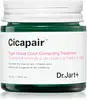
Water, Cyclopentasiloxane, CI 77891, Dimethicone, Caprylyl Methicone, Ethylhexyl Palmitate, Glycerin, Lauryl PEG-8 Dimethicone, Octyldodecanol, Phenyl Trimethicone, Triethylhexanoin, Butylene Glycol, Centella Asiatica Extract, Niacinamide, Tridecyl Trimellitate, Trimethylsiloxysilicate, Disteardimonium Hectorite, 1,2-Hexanediol, Dimethicone/Vinyl Dimethicone Crosspolymer, PEG-10 Dimethicone, Phytosteryl/Isostearyl/Cetyl/Stearyl/Behenyl Dimer Dilinoleate, Vinyl Dimethicone/Methicone Silsesquioxane Crosspolymer, CI 77491, Glyceryl Tribehenate/Isostearate/Eicosandioate, Magnesium Sulfate, CI 77492, Hydrogenated Coco-Glycerides, Stearic Acid, Alumina, Panthenol, Ceresin, CI 77499, Ethylcellulose, Caprylyl Glycol, Synthetic Fluorphlogopite, CI 77288, Polyvinyl Alcohol, Ethylhexylglycerin, Madecassoside, Adenosine, Trisodium Ethylenediamine Disuccinate, Triethoxycaprylylsilane, Eryngium Maritimum Callus Culture Filtrate, Glycine Soja Peptide, Streptococcus Thermophilus Ferment, Aluminum Hydroxide, Asiaticoside, Houttuynia Cordata Extract, Ilex Aquifolium Leaf Extract, Centella Asiatica Leaf Extract, Achillea Millefolium Oil, Hedera Helix Extract, Tocopherol, Silica, Calcium Chloride, Asiatic Acid, Madecassic Acid
Water
Skin ConditioningIsododecane
EmollientDimethicone
Emollient
Isohexadecane
EmollientGlycerin
Humectant
PEG-10 Dimethicone
Skin Conditioning
Methyl Methacrylate Crosspolymer
Butylene Glycol
Humectant
Titanium Dioxide
Cosmetic Colorant

Pentylene Glycol
Skin Conditioning
Disteardimonium Hectorite
StabilisingPanthenol
Skin Conditioning
Phenoxyethanol
Preservative
Cetyl PEG/PPG-10/1 Dimethicone
Emulsifying
Acrylates/Ammonium Methacrylate Copolymer
Sodium Chloride
MaskingPolyglyceryl-4 Isostearate
Emulsifying
Hexyl Laurate
Emollient
Boron Nitride
Absorbent
Caprylyl Glycol
Emollient
Parfum
Masking
Triethyl Citrate
Masking
Stearic Acid
Cleansing
Aluminum Hydroxide
EmollientTocopherol
Antioxidant
Synthetic Fluorphlogopite
Disodium Stearoyl Glutamate
CleansingPentaerythrityl Tetra-Di-T-Butyl Hydroxyhydrocinnamate
Antioxidant
CI 77491
Cosmetic ColorantCI 77492
Cosmetic ColorantCI 77891
Cosmetic ColorantCI 77288
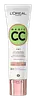
Cosmetic ColorantWater, Isododecane, Dimethicone, Isohexadecane, Glycerin, PEG-10 Dimethicone, Methyl Methacrylate Crosspolymer, Butylene Glycol, Titanium Dioxide, Pentylene Glycol, Disteardimonium Hectorite, Panthenol, Phenoxyethanol, Cetyl PEG/PPG-10/1 Dimethicone, Acrylates/Ammonium Methacrylate Copolymer, Sodium Chloride, Polyglyceryl-4 Isostearate, Hexyl Laurate, Boron Nitride, Caprylyl Glycol, Parfum, Triethyl Citrate, Stearic Acid, Aluminum Hydroxide, Tocopherol, Synthetic Fluorphlogopite, Disodium Stearoyl Glutamate, Pentaerythrityl Tetra-Di-T-Butyl Hydroxyhydrocinnamate, CI 77491, CI 77492, CI 77891, CI 77288
Reviews
Ingredients Explained
These ingredients are found in both products.
Ingredients higher up in an ingredient list are typically present in a larger amount.
Aluminum Hydroxide is a form of aluminum. It can be naturally found in nature as the mineral gibbsite. In cosmetics, Aluminum Hydroxide is used as a colorant, pH adjuster, and absorbent.
As a colorant, Aluminum Hydroxide may add opacity, or reduce the transparency. Aluminum hydroxide is contains both basic and acidic properties.
According to manufacturers, this ingredient is an emollient and humectant. This means it helps hydrate the skin.
In medicine, this ingredient is used to help relieve heartburn and help heal ulcers.
There is currently no credible scientific evidence linking aluminum hydroxide in cosmetics to increased cancer risk.
Major health organizations allow the use of aluminum hydroxide in personal care products and have not flagged it as a carcinogenic risk at typical usage levels.
Learn more about Aluminum HydroxideButylene Glycol (or BG) is used within cosmetic products for a few different reasons:
Overall, Butylene Glycol is a safe and well-rounded ingredient that works well with other ingredients.
Though this ingredient works well with most skin types, some people with sensitive skin may experience a reaction such as allergic rashes, closed comedones, or itchiness.
Learn more about Butylene GlycolCaprylyl Glycol is a humectant, skin conditioner, emollient, and preservative booster derived from either caprylic acid or synthetically created.
Typical use levels vary from 0.3-1% as a preservative booster and go up to 2% to condition skin.
Because it is not a free-fatty acid, this ingredient is fungal acne safe (there's nothing for Malassezia to feed on).
Learn more about Caprylyl GlycolCi 77288 is used to add green pigment to products.
Ci 77491 is also hydrated iron III oxide. It's sole purpose is to give a red/pink hue to products.
Iron III oxides are classified as inorganic chemicals for coloring.
Synthetically created Ci 77491 is considered safer than those naturally found. This is because the synthetically created version may contain less impurities. Iron oxides are generally non-toxic and non-allergenic.
Learn more about CI 77491CI 77492 is also hydrated iron III oxide. It's sole purpose is to give a yellow hue to products.
Iron III oxides are classified as inorganic chemicals for coloring.
Synthetically created CI 77492 is considered safer than those naturally found. This is because the synthetically created version may contain less impurities. Iron oxides are generally non-toxic and non-allergenic.
Learn more about CI 77492Ci 77891 is a white pigment from Titanium dioxide. It is naturally found in minerals such as rutile and ilmenite.
It's main function is to add a white color to cosmetics. It can also be mixed with other colors to create different shades.
Ci 77891 is commonly found in sunscreens due to its ability to block UV rays.
Learn more about CI 77891Dimethicone is a type of synthetic silicone created from natural materials such as quartz. It is also known as polydimethylsiloxane.
What it does:
Dimethicone comes in different viscosities:
Depending on the viscosity, dimethicone has different properties.
Ingredients lists don't always show which type is used, so we recommend reaching out to the brand if you have questions about the viscosity.
This ingredient is unlikely to cause irritation because it does not get absorbed into skin. However, people with silicone allergies should be careful about using this ingredient.
Note: Dimethicone may contribute to pilling. This is because it is not oil or water soluble, so pilling may occur when layered with products. When mixed with heavy oils in a formula, the outcome is also quite greasy.
Learn more about DimethiconeDisteardimonium Hectorite comes from the clay mineral named hectorite. It is used to add thickness to a product.
It can also help stabilize a product by helping to disperse other ingredients.
Hectorite is a rare, white clay mineral.
Learn more about Disteardimonium HectoriteGlycerin (or glycerol) is a compound naturally found in your skin. It's a powerhouse humectant that pulls water into the stratum corneum.
Topically, glycerin does several things at once:
Your skin makes glycerin on its own (mostly from sebaceous oil breakdown) and shuttles it to your outermost layer of skin, or your epidermis, via aquaporin-3.
Aquaporin-3 is a transporter that is essential for normal skin hydration, elasticity, and repair. Interestingly, mice lacking in AQP3 have dry and less elastic skin that can be fully corrected with glycerin.
This ingredient is non-irritating, plays well with almost every ingredient, and works across all skin types. Typical use is anywhere between 3-10% but can go up to 79% in some leave-on products.
Just know very high concentrations (>40%) can feel tacky in low humidity.
Glycerin is the name for this ingredient in American English. British English uses Glycerol/Glycerine.
Learn more about GlycerinPanthenol is a common ingredient that helps hydrate and soothe the skin. It is found naturally in our skin and hair.
There are two forms of panthenol: D and L.
D-panthenol is also known as dexpanthenol. Most cosmetics use dexpanthenol or a mixture of D and L-panthenol.
Panthenol is famous due to its ability to go deeper into the skin's layers. Using this ingredient has numerous pros (and no cons):
Like hyaluronic acid, panthenol is a humectant. Humectants are able to bind and hold large amounts of water to keep skin hydrated.
This ingredient works well for wound healing. It works by increasing tissue in the wound and helps close open wounds.
Once oxidized, panthenol converts to pantothenic acid. Panthothenic acid is found in all living cells.
This ingredient is also referred to as pro-vitamin B5.
Learn more about PanthenolPeg-10 Dimethicone is silicone with conditioner and emulsifier properties. It mostly acts as an emollient in skincare and and humectant in haircare.
According to the manufacturer, acidic formulations decrease the stability of this ingredient. It works best in neutral or near neutral formulations.
Stearic Acid is a fatty acid that is already found in your skin. It's one of the free fatty acids that works alongside ceramides and cholesterols to maintain your barrier.
In cosmetics, it is a multitasker:
Safety-wise, the CIR Expert Panel has concluded it to be safe in cosmetics when formulated to be non-irritating and non-sensitizing.
Free stearic acid is a C18 fatty acid that the Malassezia yeast can substrate, so this ingredient may not be fungal acne safe.
This ingredient does have a comedogenic rating of 2-3, but this doesn't mean a formula with this ingredient will clog pores.
Human testing has proved that any finished product with this ingredient won't automatically make you break out; it really comes down to concentration, formula, and your skin.
Learn more about Stearic AcidSynthetic Fluorphlogopite is the synthethic version of mica. It consists of fluorine, aluminum and silicate.
Synthetic Fluorphlogopite is used to add volume to products.
It is considered non-irritating on the skin.
Learn more about Synthetic FluorphlogopiteTocopherol is a fat-soluble antioxidant known as Vitamin E.
You'll find this ingredient in the vast majority of skincare (for good reason). It works to neutralize free radicals, or unstable molecules generated by UV exposure, pollution, and other environmental stressors, before they can cause oxidative damage to your skin cells.
Topically applied tocopherol has been shown to protect against UV damage by ramping up the skin's own natural defense enzymes.
It also acts as a skin conditioning agent; some studies show that regular topical use can improve the skin's water-binding capacity over 2-4 weeks.
This ingredient is especially loved for being a team player. When combined with Vitamin C, the photoprotective effect of both ingredients roughly doubles and the combo also helps reduce UV-induced DNA damage.
This ingredient has some brightening potential but it's more of a prevention ingredient than spot-fader. Cell studies show it can slow down melanin production but it's worth noting that it's not the most powerful brightener out there.
In formulations, it also serves as a stabilizer that helps protect other oxidation-prone ingredients from degrading.
Concentrations usually range from 0.1-1% in most leave-on products.
Learn more about TocopherolWater. It's the most common cosmetic ingredient of all. You'll usually see it at the top of ingredient lists, meaning that it makes up the largest part of the product.
So why is it so popular? Water most often acts as a solvent - this means that it helps dissolve other ingredients into the formulation.
You'll also recognize water as that liquid we all need to stay alive. If you see this, drink a glass of water. Remember to stay hydrated!
Learn more about Water

