

What's inside
What's inside
 Key Ingredients
Benefits
Concerns
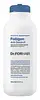
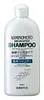
Ingredients Side-by-side
Water
Skin ConditioningAmmonium Laureth Sulfate
Cleansing
Sodium C14-16 Olefin Sulfonate
Cleansing
Ammonium Lauryl Sulfate
Cleansing

Cocamidopropyl Betaine
Cleansing

Parfum
Masking

Alcohol
Antimicrobial
Menthol
Masking
Dipropylene Glycol
HumectantPhenoxyethanol
Preservative
Cetyl Alcohol
Emollient

Cetrimonium Chloride
Antimicrobial
Sodium Chloride
MaskingGuar Hydroxypropyltrimonium Chloride
Skin ConditioningCaprylyl Glycol
Emollient
Tetradecene
EmollientLaureth-3
EmulsifyingAmmonium Sulfate
Panthenol
Skin Conditioning




Salicylic Acid
Masking





Lauryl Alcohol
Emollient
Hexadecene
SolventTrihydroxystearin
Skin Conditioning
Niacinamide
Smoothing


Piroctone Olamine
Preservative
Polyquaternium-7
Sodium Benzoate
Masking
Ethylhexylglycerin
Skin ConditioningLimonene
Perfuming
Geraniol
Perfuming
Benzyl Salicylate
Perfuming
Disodium EDTA
Linalool
Perfuming
Alpha-Isomethyl Ionone
Perfuming
Coumarin
Perfuming
Citronellol
Perfuming
Myristyl Alcohol
Emollient

Stearyl Alcohol
Emollient
Propanediol
Solvent
Glycerin
Humectant
Caprylic/Capric Triglyceride
Masking
Disodium Phosphate
BufferingLactobacillus Ferment Lysate
Skin Conditioning
Lactococcus Ferment Lysate
Skin Conditioning
Centella Asiatica Leaf Extract
Skin Conditioning
Bifida Ferment Lysate
Skin Conditioning
Serenoa Serrulata Fruit Extract
Skin Conditioning
Citric Acid
Buffering
Cocamide Methyl Mea
Tocopherol
Antioxidant

1,2-Hexanediol
Skin Conditioning
Lecithin
Emollient
Polysorbate 80
Emulsifying
Ceramide NP
Skin Conditioning
Hydrogenated Lecithin
Emulsifying
Camellia Sinensis Leaf Extract
Antimicrobial
Biotin
AntiseborrhoeicMentha Rotundifolia Leaf Extract
TonicThymus Vulgaris Leaf Extract
Skin ProtectingAsiaticoside
Antioxidant
Madecassic Acid
Skin Conditioning
Asiatic Acid
Skin Conditioning
Beta-Glucan
Skin Conditioning
Water, Ammonium Laureth Sulfate, Sodium C14-16 Olefin Sulfonate, Ammonium Lauryl Sulfate, Cocamidopropyl Betaine, Parfum, Alcohol, Menthol, Dipropylene Glycol, Phenoxyethanol, Cetyl Alcohol, Cetrimonium Chloride, Sodium Chloride, Guar Hydroxypropyltrimonium Chloride, Caprylyl Glycol, Tetradecene, Laureth-3, Ammonium Sulfate, Panthenol, Salicylic Acid, Lauryl Alcohol, Hexadecene, Trihydroxystearin, Niacinamide, Piroctone Olamine, Polyquaternium-7, Sodium Benzoate, Ethylhexylglycerin, Limonene, Geraniol, Benzyl Salicylate, Disodium EDTA, Linalool, Alpha-Isomethyl Ionone, Coumarin, Citronellol, Myristyl Alcohol, Stearyl Alcohol, Propanediol, Glycerin, Caprylic/Capric Triglyceride, Disodium Phosphate, Lactobacillus Ferment Lysate, Lactococcus Ferment Lysate, Centella Asiatica Leaf Extract, Bifida Ferment Lysate, Serenoa Serrulata Fruit Extract, Citric Acid, Cocamide Methyl Mea, Tocopherol, 1,2-Hexanediol, Lecithin, Polysorbate 80, Ceramide NP, Hydrogenated Lecithin, Camellia Sinensis Leaf Extract, Biotin, Mentha Rotundifolia Leaf Extract, Thymus Vulgaris Leaf Extract, Asiaticoside, Madecassic Acid, Asiatic Acid, Beta-Glucan
Glycyrrhetinic Acid
Skin Conditioning
Piroctone Olamine
Preservative
Disodium EDTA
Sodium Chloride
MaskingCitric Acid
Buffering
Sodium Salicylate
Preservative
Butylene Glycol
Humectant
Sodium Laureth Sulfate
Cleansing
Menthol
Masking
Cocamide DEA
Emulsifying
Tea-Lauryl Sulfate
Cleansing
Lauryl Betaine
CleansingGlycol Distearate
Emollient
Isodon Trichocarpus Extract
MaskingSophora Angustifolia Root Extract
Skin ConditioningPEG-75 Lanolin
Emollient
CI 19140
Cosmetic ColorantCamellia Sinensis Leaf Extract
Antimicrobial
Parfum
Masking
Water
Skin ConditioningGlycyrrhetinic Acid, Piroctone Olamine, Disodium EDTA, Sodium Chloride, Citric Acid, Sodium Salicylate, Butylene Glycol, Sodium Laureth Sulfate, Menthol, Cocamide DEA, Tea-Lauryl Sulfate, Lauryl Betaine, Glycol Distearate, Isodon Trichocarpus Extract, Sophora Angustifolia Root Extract, PEG-75 Lanolin, CI 19140, Camellia Sinensis Leaf Extract, Parfum, Water
Ingredients Explained
These ingredients are found in both products.
Ingredients higher up in an ingredient list are typically present in a larger amount.
Camellia Sinensis Leaf Extract (tea extract) is one of the most well-researched plant extracts in skincare with an impressive resume.
Black tea, green tea, and oolong tea are all harvested from the Camellia Sinensis plant.
Studies show green tea extract and its catechins (like epigallocatechin gallate (EGCG)) help your skin cells product energy more efficiently and reducing the number of free-radicals that can damage your skin from the inside.
In lab-grown skin models, this translated to younger, healthier, and stronger skin.
There's also good sun protection data; researchers saw less DNA damage and redness on human skin when green tea was applied before UVB exposure. And the more they applied, the better the protection.
Needless to say, this ingredient shouldn't replace your sunscreen. But it is a great supportive ingredient that you can already find in many sunscreens and antioxidant serums.
A 2009 study found a 2% green tea lotion was effective for mild-to-moderate acne thanks to its anti-inflammatory and mild antimicrobial activity.
The quality of the extract matters a lot here:
Good extracts contain 50-90% catechins while lower quality ones are mostly there for marketing. We recommend reaching out to the brand if you have questions about the quality or source of their ingredients.
Human Repeated Insult Patch Testing showed no irritation or sensitization at use concentrations (0.86% in leave-on products and up to 30% as leaf water).
Learn more about Camellia Sinensis Leaf ExtractCitric Acid is an alpha hydroxy acid (AHA) naturally found in citrus fruits like oranges, lemons, and limes.
Like other AHAs, citric acid can exfoliate skin by breaking down the bonds that hold dead skin cells together. This helps reveal smoother and brighter skin underneath.
However, this exfoliating effect only happens at high concentrations (20%) which can be hard to find in cosmetic products.
Due to this, citric acid is usually included in small amounts as a pH adjuster. This helps keep products slightly more acidic and compatible with skin's natural pH.
In skincare formulas, citric acid can:
While it can provide some skin benefits, research shows lactic acid and glycolic acid are generally more effective and less irritating exfoliants.
Most citric acid used in skincare today is made by fermenting sugars (usually from molasses). This synthetic version is identical to the natural citrus form but easier to stabilize and use in formulations.
Read more about some other popular AHA's here:
Learn more about Citric AcidDisodium EDTA is a chelating agent. It grabs onto and deactivates metal ions that sneak into your products from water, packaging, or air.
This ingredient mainly works behind the scenes and helps with:
On top of that, this ingredient can counteract the effects of hard water by binding to the minerals in it.
One thing worth knowing is that Disodium EDTA has been shown to be a mild penetration enhancer. It can help other ingredients absorb into skin more effectively which can be a double-edged sword (great for actives, but can also make the active too strong if you have sensitive skin).
Clinical patch testing showed no significant skin irritation at typical use concentrations and minimal dermal absorption.
You'll most likely see this ingredient near the end of an ingredient list. It's typically found in concentrations less than 1%.
Learn more about Disodium EDTAMenthol is a compound found in mint plants, such as peppermint. In its pure form, it is a clear crystalline substance.
Menthol is known for its cooling sensation; however, the cooling is actually from your skin being sensitized. Menthol can worsen rosacea. We recommend speaking with a professional if you have concerns.
Menthol also has antimicrobial properties.
Learn more about MentholParfum is a catch-all term for an ingredient or more that is used to give a scent to products.
Also called "fragrance", this ingredient can be a blend of hundreds of chemicals or plant oils. This means every product with "fragrance" or "parfum" in the ingredients list is a different mixture.
For instance, Habanolide is a proprietary trade name for a specific aroma chemical. When used as a fragrance ingredient in cosmetics, most aroma chemicals fall under the broad labeling category of “FRAGRANCE” or “PARFUM” according to EU and US regulations.
The term 'parfum' or 'fragrance' is not regulated in many countries. In many cases, it is up to the brand to define this term.
For instance, many brands choose to label themselves as "fragrance-free" because they are not using synthetic fragrances. However, their products may still contain ingredients such as essential oils that are considered a fragrance by INCI standards.
One example is Calendula flower extract. Calendula is an essential oil that still imparts a scent or 'fragrance'.
Depending on the blend, the ingredients in the mixture can cause allergies and sensitivities on the skin. Some ingredients that are known EU allergens include linalool and citronellol.
Parfum can also be used to mask or cover an unpleasant scent.
The bottom line is: not all fragrances/parfum/ingredients are created equally. If you are worried about fragrances, we recommend taking a closer look at an ingredient. And of course, we always recommend speaking with a professional.
Learn more about ParfumPiroctone Olamine targets Malassezia, the fungus responsible for dandruff, which is why you'll find it in many anti-dandruff shampoos.
It's also water-soluble, so it blends easily into these formulas.
Chances are, you eat sodium chloride every day. Sodium Chloride is also known as table salt. This ingredient has many purposes in skincare: thickener, emulsifier, and exfoliator.
You'll most likely find this ingredient in cleansers where it is used to create a gel-like texture. As an emulsifier, it also prevents ingredients from separating.
You might see people debate whether Sodium Chloride is comedogenic, but there actually haven't been any comedogenic tests done on it. Either way, the overall formulation of a product matters a lot more than any single ingredient.
You might see this ingredient used in scrubs as a primary exfoliating ingredient.
Learn more about Sodium ChlorideWater. It's the most common cosmetic ingredient of all. You'll usually see it at the top of ingredient lists, meaning that it makes up the largest part of the product.
So why is it so popular? Water most often acts as a solvent - this means that it helps dissolve other ingredients into the formulation.
You'll also recognize water as that liquid we all need to stay alive. If you see this, drink a glass of water. Remember to stay hydrated!
Learn more about Water
