
What's inside
What's inside
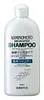 Key Ingredients
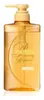
Benefits
Concerns
Ingredients Side-by-side
Glycyrrhetinic Acid
Skin Conditioning
Piroctone Olamine
Preservative
Disodium EDTA
ChelatingSodium Chloride
MaskingCitric Acid
Buffering


Sodium Salicylate
Preservative
Butylene Glycol
Humectant

Sodium Laureth Sulfate
Cleansing



Menthol
Masking
Cocamide DEA
Emulsifying
Tea-Lauryl Sulfate
Cleansing
Lauryl Betaine
CleansingGlycol Distearate
Emollient
Isodon Trichocarpus Extract
MaskingSophora Angustifolia Root Extract
Skin ConditioningPEG-75 Lanolin
Emollient
CI 19140
Cosmetic ColorantCamellia Sinensis Leaf Extract
Antimicrobial



Parfum
Masking

Water
Skin ConditioningGlycyrrhetinic Acid, Piroctone Olamine, Disodium EDTA, Sodium Chloride, Citric Acid, Sodium Salicylate, Butylene Glycol, Sodium Laureth Sulfate, Menthol, Cocamide DEA, Tea-Lauryl Sulfate, Lauryl Betaine, Glycol Distearate, Isodon Trichocarpus Extract, Sophora Angustifolia Root Extract, PEG-75 Lanolin, CI 19140, Camellia Sinensis Leaf Extract, Parfum, Water
Water
Skin ConditioningIsopentyldiol
Humectant
Stearyl Alcohol
Emollient
Behentrimonium Chloride
Preservative
Glycerin
Humectant
Dimethicone
Emollient
Cetearyl Alcohol
Emollient
Behenyl Alcohol
Emollient
Aminopropyl Dimethicone
Hydrogenated Polyisobutene
EmollientSteartrimonium Chloride
Preservative
Polysilicone-13
Camellia Japonica Seed Oil
Emollient
Lactic Acid
Buffering

Sodium Dilauramidoglutamide Lysine
HumectantSqualane
Emollient
Royal Jelly Extract
Skin Conditioning
Glycine Max Seed Extract
Skin ConditioningIsopropyl Alcohol
Solvent
Dipropylene Glycol
HumectantIsopropyl Myristate
Emollient
PEG-2 Laurate
Emulsifying
Salicylic Acid
Masking

Amodimethicone
PPG-2-Deceth-12
EmulsifyingMethylserine
Skin ConditioningDisodium EDTA
ChelatingCetrimonium Chloride
Antimicrobial
Butylene Glycol
Humectant
Tocopherol
Antioxidant
Sodium Benzoate
Masking
Phenoxyethanol
Preservative
Parfum
Masking
CI 17200
Cosmetic ColorantCI 19140
Cosmetic ColorantWater, Isopentyldiol, Stearyl Alcohol, Behentrimonium Chloride, Glycerin, Dimethicone, Cetearyl Alcohol, Behenyl Alcohol, Aminopropyl Dimethicone, Hydrogenated Polyisobutene, Steartrimonium Chloride, Polysilicone-13, Camellia Japonica Seed Oil, Lactic Acid, Sodium Dilauramidoglutamide Lysine, Squalane, Royal Jelly Extract, Glycine Max Seed Extract, Isopropyl Alcohol, Dipropylene Glycol, Isopropyl Myristate, PEG-2 Laurate, Salicylic Acid, Amodimethicone, PPG-2-Deceth-12, Methylserine, Disodium EDTA, Cetrimonium Chloride, Butylene Glycol, Tocopherol, Sodium Benzoate, Phenoxyethanol, Parfum, CI 17200, CI 19140
Reviews
Ingredients Explained
These ingredients are found in both products.
Ingredients higher up in an ingredient list are typically present in a larger amount.
Butylene Glycol (or BG) is used within cosmetic products for a few different reasons:
Overall, Butylene Glycol is a safe and well-rounded ingredient that works well with other ingredients.
Though this ingredient works well with most skin types, some people with sensitive skin may experience a reaction such as allergic rashes, closed comedones, or itchiness.
Learn more about Butylene GlycolCI 19140 is also known as Tartrazine. Tartrazine is a synthetic dye used in cosmetics, foods, and medicine to add a yellow color.
Tartrazine is created from petroleum and is water-soluble.
Some people may experience allergies from this dye, especially asthmatics and those with an aspirin intolerance.
Learn more about CI 19140Disodium EDTA is a chelating agent. It grabs onto and deactivates metal ions that sneak into your products from water, packaging, or air.
This ingredient mainly works behind the scenes and helps with:
On top of that, this ingredient can counteract the effects of hard water by binding to the minerals in it.
One thing worth knowing is that Disodium EDTA has been shown to be a mild penetration enhancer. It can help other ingredients absorb into skin more effectively which can be a double-edged sword (great for actives, but can also make the active too strong if you have sensitive skin).
Clinical patch testing showed no significant skin irritation at typical use concentrations and minimal dermal absorption.
You'll most likely see this ingredient near the end of an ingredient list. It's typically found in concentrations less than 1%.
Learn more about Disodium EDTAParfum is a catch-all term for an ingredient or more that is used to give a scent to products.
Also called "fragrance", this ingredient can be a blend of hundreds of chemicals or plant oils. This means every product with "fragrance" or "parfum" in the ingredients list is a different mixture.
For instance, Habanolide is a proprietary trade name for a specific aroma chemical. When used as a fragrance ingredient in cosmetics, most aroma chemicals fall under the broad labeling category of “FRAGRANCE” or “PARFUM” according to EU and US regulations.
The term 'parfum' or 'fragrance' is not regulated in many countries. In many cases, it is up to the brand to define this term.
For instance, many brands choose to label themselves as "fragrance-free" because they are not using synthetic fragrances. However, their products may still contain ingredients such as essential oils that are considered a fragrance by INCI standards.
One example is Calendula flower extract. Calendula is an essential oil that still imparts a scent or 'fragrance'.
Depending on the blend, the ingredients in the mixture can cause allergies and sensitivities on the skin. Some ingredients that are known EU allergens include linalool and citronellol.
Parfum can also be used to mask or cover an unpleasant scent.
The bottom line is: not all fragrances/parfum/ingredients are created equally. If you are worried about fragrances, we recommend taking a closer look at an ingredient. And of course, we always recommend speaking with a professional.
Learn more about ParfumWater. It's the most common cosmetic ingredient of all. You'll usually see it at the top of ingredient lists, meaning that it makes up the largest part of the product.
So why is it so popular? Water most often acts as a solvent - this means that it helps dissolve other ingredients into the formulation.
You'll also recognize water as that liquid we all need to stay alive. If you see this, drink a glass of water. Remember to stay hydrated!
Learn more about Water

