

What's inside
What's inside
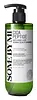 Key Ingredients
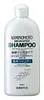
Benefits
Concerns
Ingredients Side-by-side
Water
Skin ConditioningCocamidopropyl Betaine
Cleansing



Tea-Cocoyl Glutamate
Cleansing
Sodium Lauroyl Methylaminopropionate
CleansingDisodium Laureth Sulfosuccinate
CleansingCocamide Mea
Emulsifying
Sodium Chloride
MaskingParfum
Masking

Polyquaternium-10
Caprylyl Glycol
Emollient
Hydroxyacetophenone
Antioxidant
PPG-3 Myristyl Ether
EmollientPanthenol
Skin Conditioning




Salicylic Acid
Masking







Menthol
Masking
Citric Acid
Buffering
Niacinamide
Smoothing


Sodium Benzoate
Masking
Pentasodium Pentetate
ChelatingButylene Glycol
Humectant
Gluconolactone
Chelating
Aminomethyl Propanol
Buffering1,2-Hexanediol
Skin Conditioning
Biotin
AntiseborrhoeicMentha Piperita Leaf Extract
Skin ConditioningMentha Viridis Extract
MaskingLeonurus Sibiricus Flower/Leaf/Stem Extract
SoothingNelumbo Nucifera Flower Extract
Skin ConditioningHouttuynia Cordata Extract
Skin Conditioning
Artemisia Vulgaris Extract
Skin Conditioning
Camellia Sinensis Leaf Extract
Antimicrobial
Mentha Rotundifolia Leaf Extract
TonicCentella Asiatica Extract
Cleansing
Ethylhexylglycerin
Skin ConditioningHydrolyzed Corn Protein
Skin ConditioningHydrolyzed Soy Protein
Humectant
Hydrolyzed Wheat Protein
Skin ConditioningHexapeptide-9
Skin Conditioning
Palmitoyl Pentapeptide-4
Skin Conditioning
Palmitoyl Tripeptide-5
Skin Conditioning
Palmitoyl Tripeptide-1
Skin Conditioning
Palmitoyl Tetrapeptide-7
Skin Conditioning
Palmitoyl Oligopeptide
Cleansing
Tripeptide-1
Skin Conditioning
Copper Tripeptide-1
Skin Conditioning
Asiatic Acid
Skin Conditioning
Asiaticoside
Antioxidant
Acetyl Hexapeptide-8
Humectant
Acetyl Tetrapeptide-2
Skin Conditioning
Madecassic Acid
Skin Conditioning
Madecassoside
Antioxidant
Nonapeptide-1
Skin Conditioning
Water, Cocamidopropyl Betaine, Tea-Cocoyl Glutamate, Sodium Lauroyl Methylaminopropionate, Disodium Laureth Sulfosuccinate, Cocamide Mea, Sodium Chloride, Parfum, Polyquaternium-10, Caprylyl Glycol, Hydroxyacetophenone, PPG-3 Myristyl Ether, Panthenol, Salicylic Acid, Menthol, Citric Acid, Niacinamide, Sodium Benzoate, Pentasodium Pentetate, Butylene Glycol, Gluconolactone, Aminomethyl Propanol, 1,2-Hexanediol, Biotin, Mentha Piperita Leaf Extract, Mentha Viridis Extract, Leonurus Sibiricus Flower/Leaf/Stem Extract, Nelumbo Nucifera Flower Extract, Houttuynia Cordata Extract, Artemisia Vulgaris Extract, Camellia Sinensis Leaf Extract, Mentha Rotundifolia Leaf Extract, Centella Asiatica Extract, Ethylhexylglycerin, Hydrolyzed Corn Protein, Hydrolyzed Soy Protein, Hydrolyzed Wheat Protein, Hexapeptide-9, Palmitoyl Pentapeptide-4, Palmitoyl Tripeptide-5, Palmitoyl Tripeptide-1, Palmitoyl Tetrapeptide-7, Palmitoyl Oligopeptide, Tripeptide-1, Copper Tripeptide-1, Asiatic Acid, Asiaticoside, Acetyl Hexapeptide-8, Acetyl Tetrapeptide-2, Madecassic Acid, Madecassoside, Nonapeptide-1
Glycyrrhetinic Acid
Skin Conditioning
Piroctone Olamine
Preservative
Disodium EDTA
ChelatingSodium Chloride
MaskingCitric Acid
Buffering
Sodium Salicylate
Preservative
Butylene Glycol
Humectant
Sodium Laureth Sulfate
Cleansing
Menthol
Masking
Cocamide DEA
Emulsifying
Tea-Lauryl Sulfate
Cleansing
Lauryl Betaine
CleansingGlycol Distearate
Emollient
Isodon Trichocarpus Extract
MaskingSophora Angustifolia Root Extract
Skin ConditioningPEG-75 Lanolin
Emollient
CI 19140
Cosmetic ColorantCamellia Sinensis Leaf Extract
Antimicrobial
Parfum
Masking
Water
Skin ConditioningGlycyrrhetinic Acid, Piroctone Olamine, Disodium EDTA, Sodium Chloride, Citric Acid, Sodium Salicylate, Butylene Glycol, Sodium Laureth Sulfate, Menthol, Cocamide DEA, Tea-Lauryl Sulfate, Lauryl Betaine, Glycol Distearate, Isodon Trichocarpus Extract, Sophora Angustifolia Root Extract, PEG-75 Lanolin, CI 19140, Camellia Sinensis Leaf Extract, Parfum, Water
Reviews
Ingredients Explained
These ingredients are found in both products.
Ingredients higher up in an ingredient list are typically present in a larger amount.
Butylene Glycol (or BG) is used within cosmetic products for a few different reasons:
Overall, Butylene Glycol is a safe and well-rounded ingredient that works well with other ingredients.
Though this ingredient works well with most skin types, some people with sensitive skin may experience a reaction such as allergic rashes, closed comedones, or itchiness.
Learn more about Butylene GlycolCamellia Sinensis Leaf Extract (tea extract) is one of the most well-researched plant extracts in skincare with an impressive resume.
Black tea, green tea, and oolong tea are all harvested from the Camellia Sinensis plant.
Studies show green tea extract and its catechins (like epigallocatechin gallate (EGCG)) help your skin cells product energy more efficiently and reducing the number of free-radicals that can damage your skin from the inside.
In lab-grown skin models, this translated to younger, healthier, and stronger skin.
There's also good sun protection data; researchers saw less DNA damage and redness on human skin when green tea was applied before UVB exposure. And the more they applied, the better the protection.
Needless to say, this ingredient shouldn't replace your sunscreen. But it is a great supportive ingredient that you can already find in many sunscreens and antioxidant serums.
A 2009 study found a 2% green tea lotion was effective for mild-to-moderate acne thanks to its anti-inflammatory and mild antimicrobial activity.
The quality of the extract matters a lot here:
Good extracts contain 50-90% catechins while lower quality ones are mostly there for marketing. We recommend reaching out to the brand if you have questions about the quality or source of their ingredients.
Human Repeated Insult Patch Testing showed no irritation or sensitization at use concentrations (0.86% in leave-on products and up to 30% as leaf water).
Learn more about Camellia Sinensis Leaf ExtractCitric Acid is an alpha hydroxy acid (AHA) naturally found in citrus fruits like oranges, lemons, and limes.
Like other AHAs, citric acid can exfoliate skin by breaking down the bonds that hold dead skin cells together. This helps reveal smoother and brighter skin underneath.
However, this exfoliating effect only happens at high concentrations (20%) which can be hard to find in cosmetic products.
Due to this, citric acid is usually included in small amounts as a pH adjuster. This helps keep products slightly more acidic and compatible with skin's natural pH.
In skincare formulas, citric acid can:
While it can provide some skin benefits, research shows lactic acid and glycolic acid are generally more effective and less irritating exfoliants.
Most citric acid used in skincare today is made by fermenting sugars (usually from molasses). This synthetic version is identical to the natural citrus form but easier to stabilize and use in formulations.
Rosacea skin has a lower threshold for acids generally, with 62.5% of rosacea subjects in one study reacting to lactic acid in a sting test. This is why we mark citric acid as a potential rosacea trigger.
However, this ingredient shows up as a pH adjuster or chelator at roughly 0.1-1% in many products. These low levels are unlikely to be an issue for rosacea skin and becomes a potential trigger at exfoliating concentrations (20%). Because everybody's skin is unique, we recommend a patch test if you are unsure.
Learn more about Citric AcidMenthol is a compound found in mint plants, such as peppermint. In its pure form, it is a clear crystalline substance.
Menthol is known for its cooling sensation; however, the cooling is actually from your skin being sensitized. Menthol can worsen rosacea. We recommend speaking with a professional if you have concerns.
Menthol also has antimicrobial properties.
Learn more about MentholParfum is a catch-all term for an ingredient or more that is used to give a scent to products.
Also called "fragrance", this ingredient can be a blend of hundreds of chemicals or plant oils. This means every product with "fragrance" or "parfum" in the ingredients list is a different mixture.
For instance, Habanolide is a proprietary trade name for a specific aroma chemical. When used as a fragrance ingredient in cosmetics, most aroma chemicals fall under the broad labeling category of “FRAGRANCE” or “PARFUM” according to EU and US regulations.
The term 'parfum' or 'fragrance' is not regulated in many countries. In many cases, it is up to the brand to define this term.
For instance, many brands choose to label themselves as "fragrance-free" because they are not using synthetic fragrances. However, their products may still contain ingredients such as essential oils that are considered a fragrance by INCI standards.
One example is Calendula flower extract. Calendula is an essential oil that still imparts a scent or 'fragrance'.
Depending on the blend, the ingredients in the mixture can cause allergies and sensitivities on the skin. Some ingredients that are known EU allergens include linalool and citronellol.
Parfum can also be used to mask or cover an unpleasant scent.
The bottom line is: not all fragrances/parfum/ingredients are created equally. If you are worried about fragrances, we recommend taking a closer look at an ingredient. And of course, we always recommend speaking with a professional.
Learn more about ParfumChances are, you eat sodium chloride every day. Sodium Chloride is also known as table salt. This ingredient has many purposes in skincare: thickener, emulsifier, and exfoliator.
You'll most likely find this ingredient in cleansers where it is used to create a gel-like texture. As an emulsifier, it also prevents ingredients from separating.
You might see people debate whether Sodium Chloride is comedogenic, but there actually haven't been any comedogenic tests done on it. Either way, the overall formulation of a product matters a lot more than any single ingredient.
You might see this ingredient used in scrubs as a primary exfoliating ingredient.
Learn more about Sodium ChlorideWater. It's the most common cosmetic ingredient of all. You'll usually see it at the top of ingredient lists, meaning that it makes up the largest part of the product.
So why is it so popular? Water most often acts as a solvent - this means that it helps dissolve other ingredients into the formulation.
You'll also recognize water as that liquid we all need to stay alive. If you see this, drink a glass of water. Remember to stay hydrated!
Learn more about Water

