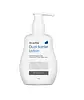
This barrier-repair moisturizer is formulated around Centella Asiatica Extract and Panthenol to strengthen the skin barrier and hydrate skin.
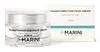
This anti-aging moisturizer is formulated around Sh-Polypeptide-22 to soften the look of wrinkles.

What's inside
What's inside
 Key Ingredients
Benefits
Concerns
Ingredients Side-by-side
Water
Skin ConditioningGlycerin
Humectant


Caprylic/Capric Triglyceride
Masking
Methylpropanediol
Solvent1,2-Hexanediol
Skin Conditioning
Dicaprylyl Carbonate
EmollientPolyglyceryl-3 Methylglucose Distearate
Emulsifying

Cyclopentasiloxane
Emollient
Glyceryl Stearate
Emollient
Betaine
Humectant
Behenyl Alcohol
Emollient
Centella Asiatica Extract
Cleansing


Ficus Carica Fruit Extract
Humectant
Ulmus Davidiana Root Extract
Skin Conditioning
Amaranthus Caudatus Seed Extract
Skin Conditioning
Artemisia Absinthium Extract
Skin ConditioningVanilla Planifolia Fruit Extract
Skin Conditioning
Sodium Hyaluronate
Humectant
Citrus Aurantium Bergamia Fruit Oil
Masking



Olea Europaea Fruit Oil
Masking

Hydrogenated Lecithin
Emulsifying
Citrus Aurantium Dulcis Oil
Masking
Citrus Grandis Peel Oil
Masking
Lavandula Angustifolia Oil
Masking
Cedrus Atlantica Bark Oil
Masking
Pelargonium Graveolens Flower Oil
Masking
Jasminum Officinale Oil
Masking
Myrtus Communis Oil
Masking
Rose Flower Oil
Masking
Ferula Galbaniflua Resin Oil
Antimicrobial
Cyclohexasiloxane
Emollient
Palmitic Acid
Emollient
Stearic Acid
Cleansing
Tromethamine
BufferingCarbomer
Emulsion StabilisingButylene Glycol
Humectant
Sodium Stearoyl Glutamate
CleansingMicrocrystalline Cellulose
AbsorbentPanthenol
Skin Conditioning
Ethylhexylglycerin
Skin ConditioningCellulose Gum
Emulsion StabilisingHydrolyzed Hyaluronic Acid
Humectant
Pantolactone
Humectant
Ceramide NP
Skin Conditioning
Copaifera Officinalis Resin
MaskingLimonene
Perfuming
Linalool
Perfuming
Water, Glycerin, Caprylic/Capric Triglyceride, Methylpropanediol, 1,2-Hexanediol, Dicaprylyl Carbonate, Polyglyceryl-3 Methylglucose Distearate, Cyclopentasiloxane, Glyceryl Stearate, Betaine, Behenyl Alcohol, Centella Asiatica Extract, Ficus Carica Fruit Extract, Ulmus Davidiana Root Extract, Amaranthus Caudatus Seed Extract, Artemisia Absinthium Extract, Vanilla Planifolia Fruit Extract, Sodium Hyaluronate, Citrus Aurantium Bergamia Fruit Oil, Olea Europaea Fruit Oil, Hydrogenated Lecithin, Citrus Aurantium Dulcis Oil, Citrus Grandis Peel Oil, Lavandula Angustifolia Oil, Cedrus Atlantica Bark Oil, Pelargonium Graveolens Flower Oil, Jasminum Officinale Oil, Myrtus Communis Oil, Rose Flower Oil, Ferula Galbaniflua Resin Oil, Cyclohexasiloxane, Palmitic Acid, Stearic Acid, Tromethamine, Carbomer, Butylene Glycol, Sodium Stearoyl Glutamate, Microcrystalline Cellulose, Panthenol, Ethylhexylglycerin, Cellulose Gum, Hydrolyzed Hyaluronic Acid, Pantolactone, Ceramide NP, Copaifera Officinalis Resin, Limonene, Linalool
Water
Skin ConditioningGlycerin
Humectant
Hexyl Laurate
Emollient
Caprylic/Capric Triglyceride
Masking
Butylene Glycol
Humectant
Polysorbate 60
Emulsifying
Stearyl Alcohol
Emollient
Palmitic Acid
Emollient
Sorbitan Stearate
Emulsifying
Aloe Barbadensis Leaf Juice
Skin Conditioning
Nylon-12


Sodium Hyaluronate
Humectant
Myristoyl Pentapeptide-8
Skin Conditioning
Myristoyl Pentapeptide-11
Skin Conditioning
Sh-Polypeptide-22
Skin Conditioning
Sh-Polypeptide-9
Skin Conditioning
Sh-Oligopeptide-4
Skin Conditioning
Saccharomyces Cerevisiae Extract
Skin Conditioning
Retinyl Palmitate
Skin Conditioning

Tocopherol
Antioxidant

Ascorbyl Palmitate
Antioxidant
Ascorbic Acid
Antioxidant
Citric Acid
Buffering
Tocopheryl Acetate
Antioxidant
Tocopheryl Linoleate
Antioxidant
Squalane
Emollient
Dimethicone
Emollient
Sodium PCA
Humectant
C12-20 Acid PEG-8 Ester
Emulsifying
Cetyl Alcohol
Emollient
PEG-8
HumectantHydrolyzed Elastin
EmollientHydrogenated Lecithin
Emulsifying
Glycine Soja Oil
Emollient
Sodium Oleate
CleansingTocopheryl Linoleate/Oleate
Antioxidant
Parfum
Masking
Amyl Cinnamal
Perfuming
Benzyl Salicylate
Perfuming
Butylphenyl Methylpropional
Perfuming
Eugenol
Perfuming
Geraniol
Perfuming
Limonene
Perfuming
Linalool
Perfuming
Disodium EDTA
ChelatingPhenoxyethanol
Preservative
Diazolidinyl Urea
Preservative
Imidazolidinyl Urea
Preservative
Water, Glycerin, Hexyl Laurate, Caprylic/Capric Triglyceride, Butylene Glycol, Polysorbate 60, Stearyl Alcohol, Palmitic Acid, Sorbitan Stearate, Aloe Barbadensis Leaf Juice, Nylon-12, Sodium Hyaluronate, Myristoyl Pentapeptide-8, Myristoyl Pentapeptide-11, Sh-Polypeptide-22, Sh-Polypeptide-9, Sh-Oligopeptide-4, Saccharomyces Cerevisiae Extract, Retinyl Palmitate, Tocopherol, Ascorbyl Palmitate, Ascorbic Acid, Citric Acid, Tocopheryl Acetate, Tocopheryl Linoleate, Squalane, Dimethicone, Sodium PCA, C12-20 Acid PEG-8 Ester, Cetyl Alcohol, PEG-8, Hydrolyzed Elastin, Hydrogenated Lecithin, Glycine Soja Oil, Sodium Oleate, Tocopheryl Linoleate/Oleate, Parfum, Amyl Cinnamal, Benzyl Salicylate, Butylphenyl Methylpropional, Eugenol, Geraniol, Limonene, Linalool, Disodium EDTA, Phenoxyethanol, Diazolidinyl Urea, Imidazolidinyl Urea
Ingredients Explained
These ingredients are found in both products.
Ingredients higher up in an ingredient list are typically present in a larger amount.
Butylene Glycol (or BG) is used within cosmetic products for a few different reasons:
Overall, Butylene Glycol is a safe and well-rounded ingredient that works well with other ingredients.
Though this ingredient works well with most skin types, some people with sensitive skin may experience a reaction such as allergic rashes, closed comedones, or itchiness.
Learn more about Butylene GlycolCaprylic/Capric Triglyceride (aka MCT Oil) is a lightweight emollient, solvent, and texture enhancer. It is considered a skin-softener by helping to prevent moisture loss.
Though it behaves like an oil, it is not technically one due to its chemical composition. One perk of this ingredient is that it is very stable, resistant to oxidation, and unlikely to go rancid.
In practice, that translates to a long shelf life and a consistently elegant skin feel.
While there is an assumption Caprylic Triglyceride can clog pores due to it being derived from coconut oil, there is no research supporting this. Just patch test if you have concerns.
Fractionated coconut oil and MCT Oil are both listed as Caprylic/Capric Triglyceride according to INCI. This is because INCI names are based on the ingredient’s final chemical composition and not its marketing name or source.
This ingredient is treated as the gold standard fungal acne safe oil. Even though it is coconut derived, the problematic lauric acid is stripped out.
This leaves just caprylic (C8) and capric (C10) acid. These chain lengths actually trend antifungal; a 2020 study found caprylic acid was enough to disrupt Malassezia furfur cell membrane, with a caprylic acid derivative damaging membrane structures at concentrations as low as 0.2%.
Learn more about Caprylic/Capric TriglycerideGlycerin (or glycerol) is a compound naturally found in your skin. It's a powerhouse humectant that pulls water into the stratum corneum.
Topically, glycerin does several things at once:
Your skin makes glycerin on its own (mostly from sebaceous oil breakdown) and shuttles it to your outermost layer of skin, or your epidermis, via aquaporin-3.
Aquaporin-3 is a transporter that is essential for normal skin hydration, elasticity, and repair. Interestingly, mice lacking in AQP3 have dry and less elastic skin that can be fully corrected with glycerin.
This ingredient is non-irritating, plays well with almost every ingredient, and works across all skin types. Typical use is anywhere between 3-10% but can go up to 79% in some leave-on products.
Just know very high concentrations (>40%) can feel tacky in low humidity.
Glycerin is the name for this ingredient in American English. British English uses Glycerol/Glycerine.
Learn more about GlycerinHydrogenated Lecithin is a more stable version of lecithin.
It's made by taking lecithin (a phospholipid commonly found in soybeans and egg yolks) and hydrogenating it. This just means the unsaturated fatty acids are turned into saturated ones so they don't go bad as easily.
This ingredient is an emollient, emulsifier, and penetration enhancer. As an emollient, it helps soften and hydrate skin by trapping moisture within. As an emulsifier, it prevents oil and water ingredients from separating.
Hydrogenated Lecithin can form tiny spherical structures made of phospholipid bilayers called liposomes. These liposomes are able to capture compounds inside their structure and deliver them through the skin barrier.
Because phospholipids are a natural component of our cell membranes, this ingredient is inherently compatible with skin.
A 2021 study found lecithin-based surfactants were less harsh and more tolerable comared to Sodium Lauryl Sulfate (SLS).
Learn more about Hydrogenated LecithinLimonene is the compound that gives citrus peel its smell.
In skincare, it shows up as a standalone fragrance ingredient or as a natural compound of citrus and other essential oils.
You'll typically see this ingredient used in very small amounts; anything above 0.001% in a leave-on product or 0.01% in a rinse-off has to be named on the label in the EU. The citrus oils that carry it sit around 0.5-1% in a finished formula.
Fresh limonene is a weak allergen; the real issue is that it slowly reacts with air and then breaks down from oxidation to create hydroperoxides (which are strong sensitizers). This is why suppliers are required to keep the peroxide value below 20 mmol.
Positive reactions in people being investigated for eczema vary:
It's worth skipping if you have a known fragrance allergy or a compromised barrier, but the risk is low for most people.
Older or long-opened products are also more likely to bother you than fresh ones due to oxidation.
Learn more about LimoneneLinalool is a small, naturally occurring scent molecule found in plants like lavender, coriander, bergamot, and more.
It is one of the two most-used fragrance ingredients in cosmetics and added purely for smell. Since it's not used for a skin benefit, there's no "effective dose". Concentration depends on the fragrance load of the product.
The EU requires it to be named on the label above 0.001% in leave-on and 0.01% in rinse-off products.
Fresh linalool is a weak sensitizer but air exposure turns some of it into hydroperoxides, which are strong sensitizers. Those oxidation products are the actual allergy concern.
Patch-test clinics see positive reactions to linalool hydroperoxides in about 4% to 12% of dermatitis patients depending on country and test concentration.
Resassuringly, one analytical study found hydroperoxide levels in real fragranced products to be orders of magnitude below what induced sensitization in animal studies with no evidence of oxidation building up during normal storage.
The practical takeaway is that linalool is fine for most people but worth avoiding if you have a confirmed fragrance contact allergy or a badly compromised barrier.
Products stored a long time after opening are also the high-risk scenario since that is when oxidation happens.
The scent of linalool is described as floral, spicy tropical, and citrus-like.
Learn more about LinaloolPalmitic Acid is a fatty acid naturally found in our skin and in many plant and animal sources.
In cosmetics, it is usually derived from palm oil. It serves many purposes in skincare, acting as a cleanser, emollient, and emulsifier.
Interestingly, topically applied Palmitic Acid can be elongated into longer chain fatty acids and ceramides. A 2019 study found low levels of Palmitic Acid lead to slower development of cells, suggesting it plays a role in keeping your skin's renewal process on track.
The CIR (Cosmetic Ingredient Review) panel determined it safe as used in cosmetics at concentrations up to 13%. It is non-irritating and non-sensitizing in clinical studies.
The culprit behind fungal acne, the Malassezia yeast, feeds on fatty acids with carbon chain lengths between C11-C24. Palmitic Acid, at C16, falls right into that sweet spot.
In vitro studies have shown that Palmitic Acid is one of the fatty acids that induce rapid Malassezia growth in lab settings.
It's worth noting that what feeds yeast in a lab doesn't necessarily feed it on your face since formulation and your skin's chemistry play a bigger role.
This ingredient does have a comedogenic rating of 2, but this doesn't mean a formula with this ingredient will clog pores.
Human testing has proved that any finished product with a comedogenic ingredient won't automatically make you break out; it really comes down to concentration, formula, and your skin.
Learn more about Palmitic AcidSodium Hyaluronate is the salt form of hyaluronic acid. It is a long sugar chain that is naturally found in your skin, joints, and connective tissue that maintains hydration and elasticity.
In skincare, it works as a humectant. It pulls water from the environment and deeper layers of skin and binds it to the surface.
Interestingly, the size of the molecule affects its behavior:
Some clinical evidence links low molecular weight versions to improved wrinkle depth, elasticity, anti-inflammatory effects, and barrier repair.
Many serums use a blend of both weights so you can get surface hydration plus longer-lasting and deeper effects.
You'll typically see concentrations between 0.1-2% for this ingredient.
Learn more about Sodium HyaluronateWater. It's the most common cosmetic ingredient of all. You'll usually see it at the top of ingredient lists, meaning that it makes up the largest part of the product.
So why is it so popular? Water most often acts as a solvent - this means that it helps dissolve other ingredients into the formulation.
You'll also recognize water as that liquid we all need to stay alive. If you see this, drink a glass of water. Remember to stay hydrated!
Learn more about Water

