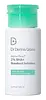
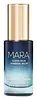
Dr. Dennis Gross Skincare Alpha Beta 2% BHA Breakout Solution Versus MARA Beauty Niacinamide + Copper Clear Skin Mineral Milk
This acne treatment is formulated around Salicylic Acid and Gluconolactone to clear breakouts and refine the look of pores.
This acne treatment is formulated around Salicylic Acid and Niacinamide to clear breakouts and refine the look of pores.

What's inside
What's inside
 Key Ingredients
Benefits
Concerns
Ingredients Side-by-side
Salicylic Acid 2%
Masking










Water
Skin ConditioningAlcohol Denat.
Antimicrobial
Propylene Glycol
Humectant
Gluconolactone
Chelating


Polyglyceryl-10 Laurate
Skin Conditioning
Lactic Acid
Buffering

Pyruvic Acid
MaskingPhytic Acid
Chelating
Azelaic Acid
Buffering


Salix Alba Bark Extract
Astringent
Carnitine Hcl
HumectantXylitol
Humectant
Caprylic Acid
CleansingLeuconostoc/Radish Root Ferment Filtrate
Antimicrobial
Farnesol
Perfuming

Tetrahydrocurcumin
Antioxidant
Chlorhexidine Digluconate
Antimicrobial
Soy Isoflavones
Skin ConditioningSaccharide Isomerate
Humectant
Zinc PCA
Humectant
Sodium Hyaluronate
Humectant
Methyl Glucose Sesquistearate
Emollient
Neopentyl Glycol Diethylhexanoate
Emollient
PEG-20 Methyl Glucose Sesquistearate
Emulsifying
Glyceryl Stearate
Emollient
Hexylresorcinol
Antimicrobial
Dimethyl Isosorbide
SolventPropanediol
Solvent
C13-15 Alkane
SolventPotassium Hydroxide
BufferingStearic Acid
Cleansing
Citric Acid
Buffering
Calcium Gluconate
HumectantSodium Citrate
BufferingCucumis Sativus Fruit Water
Skin ConditioningPhenoxyethanol
Preservative
Sodium Benzoate
Masking
Potassium Sorbate
Preservative
Salicylic Acid 2%, Water, Alcohol Denat., Propylene Glycol, Gluconolactone, Polyglyceryl-10 Laurate, Lactic Acid, Pyruvic Acid, Phytic Acid, Azelaic Acid, Salix Alba Bark Extract, Carnitine Hcl, Xylitol, Caprylic Acid, Leuconostoc/Radish Root Ferment Filtrate, Farnesol, Tetrahydrocurcumin, Chlorhexidine Digluconate, Soy Isoflavones, Saccharide Isomerate, Zinc PCA, Sodium Hyaluronate, Methyl Glucose Sesquistearate, Neopentyl Glycol Diethylhexanoate, PEG-20 Methyl Glucose Sesquistearate, Glyceryl Stearate, Hexylresorcinol, Dimethyl Isosorbide, Propanediol, C13-15 Alkane, Potassium Hydroxide, Stearic Acid, Citric Acid, Calcium Gluconate, Sodium Citrate, Cucumis Sativus Fruit Water, Phenoxyethanol, Sodium Benzoate, Potassium Sorbate
Salicylic Acid 2%
Masking
Water
Skin ConditioningSimmondsia Chinensis Seed Oil
Emollient
C13-15 Alkane
SolventVitis Vinifera Seed Oil
Emollient
Glycerin
Humectant
Polyglyceryl-3 Polyricinoleate
Emulsifying
Caprylic/Capric Triglyceride
Masking
Niacinamide
Smoothing
Disteardimonium Hectorite
StabilisingNigella Sativa Seed Oil
Emollient
Bakuchiol
Antimicrobial
Cucurbita Pepo Seed Oil
Emollient
Corylus Avellana Seed Oil
Emollient
Calophyllum Inophyllum Seed Oil
Antimicrobial
Sodium Chloride
MaskingGluconolactone
Chelating
Magnesium PCA
Humectant
Mandelic Acid
Antimicrobial
Sodium Benzoate
Masking
Bisabolol
Antioxidant
Helianthus Annuus Seed Oil
Emollient
Laminaria Hyperborea Extract
Skin ProtectingZinc PCA
Humectant
Sodium Hydroxide
BufferingMagnesium Aspartate
Skin ConditioningZinc Gluconate
Skin Conditioning
Crambe Maritima Leaf Extract
Skin ConditioningEugenia Caryophyllus Bud Extract
Perfuming
Fucus Vesiculosus Extract
Emollient
Calcium Gluconate
HumectantPhenoxyethanol
Preservative
Salicornia Herbacea Extract
Skin ConditioningCopper Gluconate
Skin Conditioning
Undaria Pinnatifida Extract
Skin ConditioningZingiber Officinale Root Extract
Masking
Sodium Carbonate
BufferingSalicylic Acid 2%, Water, Simmondsia Chinensis Seed Oil, C13-15 Alkane, Vitis Vinifera Seed Oil, Glycerin, Polyglyceryl-3 Polyricinoleate, Caprylic/Capric Triglyceride, Niacinamide, Disteardimonium Hectorite, Nigella Sativa Seed Oil, Bakuchiol, Cucurbita Pepo Seed Oil, Corylus Avellana Seed Oil, Calophyllum Inophyllum Seed Oil, Sodium Chloride, Gluconolactone, Magnesium PCA, Mandelic Acid, Sodium Benzoate, Bisabolol, Helianthus Annuus Seed Oil, Laminaria Hyperborea Extract, Zinc PCA, Sodium Hydroxide, Magnesium Aspartate, Zinc Gluconate, Crambe Maritima Leaf Extract, Eugenia Caryophyllus Bud Extract, Fucus Vesiculosus Extract, Calcium Gluconate, Phenoxyethanol, Salicornia Herbacea Extract, Copper Gluconate, Undaria Pinnatifida Extract, Zingiber Officinale Root Extract, Sodium Carbonate
Reviews
Ingredients Explained
These ingredients are found in both products.
Ingredients higher up in an ingredient list are typically present in a larger amount.
C13-15 Alkane is a group of alkanes with 13 to 15 carbon atoms in the alkyl chain.
It is a solvent and texture enhancer. Solvents are used to keep ingredients together in a product. They can help dissolve ingredients to stable bases or help evenly distribute ingredients throughout the product.
This ingredient is calcium salt of gluconic acid. It is a humectant, meaning it attracts water to your skin.
Gluconolactone is a PHA. PHAs are a great gentle alternative to traditional AHAs.
When applied, Gluconolactone has the same affect on skin as AHAs such as lactic acid. It helps dissolve the dead skin cells in the top layer of your skin. This improves texture and brightens the skin.
PHAs are more gentle than AHAs due to their larger structure. They do not penetrate as deeply as AHAs and take a longer time to dissolve dead cells. Studies show PHAs do not cause as much irritation.
Gluconolactone has some interesting properties:
In a 2004 study, Gluconolactone was found to prevent UV damage in mouse skin cells and has not been found to increase sun sensitivity. However, we still recommend wearing SPF daily.
This ingredient is is an created by reacting gluconic acid with an alcohol.
Learn more about GluconolactonePhenoxyethanol is one of the most widely used preservatives in skincare (and for good reason!).
It has a large spectrum of antimicrobial activity and especially effective bacteria, yeast, and mold while only having a weak effect on your skin's natural microbiome.
On a cellular level, it disrupts the cell membranes of microbes by poking holes that make the cell leak. This shuts down the chemical reactions the microbe needs to make energy so it can no longer survive.
Another perk of this ingredient is that it stays functional across a wide pH range (3-10).
You'll often see it paired with boosters like Ethylhexylglycerin; one study showed that a 1:9 ratio of Ethylhexylglycerin to Phenoxyethanol damages bacterial membranes as effectively as doubling the Phenoxyethanol concentration on its own.
Typical use concentrations range from 0.3-1% depending on the formula, and this ingredient is capped at 1% int the EU.
Safety-wise, the fear mongering does not hold up to the evidence. The EU's Scientific Committee on Consumer Safety and FDA consider it safe as a preservative at up to 1%, including for children of all ages.
Adverse systemic effects only showed up in animal studies at exposures roughly 200x higher than what people get from cosmetics. And despite its very widespread use, this ingredient is a rare sensitizer and allergic reactions are uncommon.
Learn more about PhenoxyethanolSalicylic Acid (also known as beta hydroxy acid or BHA) is a well-known ingredient for treating skin that struggles with acne and clogged pores. It exfoliates both the skin's surface and deep within the pores to help clear out buildup, control oil, and reduce inflammation.
Unlike AHAs (alpha hydroxy acids), salicylic acid is oil-soluble. This allows it to penetrate into pores which makes it especially effective for treating blackheads and preventing future breakouts.
Salicylic acid is also known for its soothing properties. It has a similar structure to aspirin and can calm inflamed or irritated skin, making it a good option for acne-prone skin that is also sensitive.
Concentrations of 0.5-2% are recognized by the U.S. FDA as an over-the-counter topical acne product.
It can cause irritation and/or dryness if one's skin already has a compromised moisture barrier, so it's best to focus on repairing that before introducing this ingredient into your routine.
While salicylic acid does not increase sun sensitivity, it’s still important to wear sunscreen daily to protect your skin.
If you are looking for the ingredient called BHA or Butylated Hydroxyanisole, click here.
Learn more about Salicylic AcidSodium Benzoate is a preservative. It's used in both cosmetic and food products to inhibit the growth of mold and bacteria. It is typically produced synthetically.
Both the US FDA and EU Health Committee have approved the use of sodium benzoate. In the US, levels of 0.1% (of the total product) are allowed.
Sodium benzoate works as a preservative by inhibiting the growth of bacteria inside of cells. It prevents the cell from fermenting a type of sugar using an enzyme called phosphofructokinase.
It is the salt of benzoic acid. Foods containing sodium benzoate include soda, salad dressings, condiments, fruit juices, wines, and snack foods.
Studies for using ascorbic acid and sodium benzoate in cosmetics are lacking, especially in skincare routines with multiple steps.
We always recommend speaking with a professional, such as a dermatologist, if you have any concerns.
Learn more about Sodium BenzoateWater. It's the most common cosmetic ingredient of all. You'll usually see it at the top of ingredient lists, meaning that it makes up the largest part of the product.
So why is it so popular? Water most often acts as a solvent - this means that it helps dissolve other ingredients into the formulation.
You'll also recognize water as that liquid we all need to stay alive. If you see this, drink a glass of water. Remember to stay hydrated!
Learn more about WaterZinc PCA is a clever two-in-one molecule: the zinc salt of pyrrolidone carboxylic acid (PCA).
Think of it as two useful things bonded together; the PCA half is one of your skin's own natural moisturizing factors (NMF) so it helps hold water in the upper layers. On the other hand, the zinc half does the heavy lifting on oil and bacteria.
The zinc part slows down an enzyme that turns testosterone into DHT, the hormone that tells your oil glands to pump out more sebum. Less of that signal means less oil. It also gently fights acne-causing bacteria and soothes redness/irritation.
This is why Zinc PCA often shows up in products for oily, breakout-prone skin and greasy scalps.
One lab study also hinted it might have a small anti-aging perk because it seemed to protect collagen from UVA damage and even helped the skin make a bit more of it. That last bit is still early research done in a dish and not real skin, so take it as a nice bonus rather than a promise for now.
As for scar healing, the picture is more "maybe" than a firm yes. Zinc itself plays a real role in wound repair because it is a cofactor for the enzymes involved in collagen building, calming inflammation, and helping new skin cells cover a wound. Lower zinc levels are also linked to slower healing.
Most of the scar healing research is on zinc oxide or oral zinc rather than zinc PCA specifically, with a focus on healing fresh wounds instead of scars that are already there.
Direct evidence that zinc PCA improves the look of established scars is still limited at this time. Though it would be fair to say zinc PCA supports the general skin-repair environment thanks to its zinc content .
This ingredient is water-soluble and plays nicely with other actives like niacinamide and salicylic acid. It works best at mildly acidic formulas (~4-6 pH) and is effective at low levels. Around 0.1% is enough to be active and finished products commonly use it anywhere up to 4%.
Overall, this is a well-tolerated, low-drama multitasker that suits oily and acne-prone skin.
Learn more about Zinc PCA

