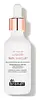
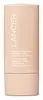
Dr. Brandt Skincare Liquid Sun Shield SPF 50 Versus Lancer Skincare Mineral Sun Shield Universal Tint SPF 30
This sunscreen offers SPF 50 protection with a matte finish that helps control shine.
This hybrid sunscreen covers the full UV range and blocks ~97% of UVB at SPF 30.

What's inside
What's inside
 Key Ingredients
Benefits
Concerns
Ingredients Side-by-side
Water
Skin ConditioningIsododecane
EmollientPolyglyceryl-6 Polyricinoleate
Emulsifying

Propanediol
Solvent

Dimethicone
Emollient

Caprylic/Capric Triglyceride
Masking
Trimethylsiloxysilicate
Emollient
Butyloctyl Salicylate
Skin Conditioning

Coco-Caprylate/Caprate
Emollient
Isoamyl Laurate
Emollient
Neopentyl Glycol Diheptanoate
EmollientPolyglyceryl-10 Dioleate
Emulsifying
Lecithin
Emollient
Polyhydroxystearic Acid
Emulsifying
Ectoin
Skin Conditioning



Polymethylsilsesquioxane
Polysilicone-11

Disteardimonium Hectorite
StabilisingButyrospermum Parkii Butter
Skin Conditioning


Glycerin
Humectant
Phenoxyethanol
Preservative
Propylene Carbonate
SolventAminomethyl Propanol
BufferingCitrus Aurantium Dulcis Peel Oil
Masking

Ethylhexylglycerin
Skin ConditioningPolysorbate 20
Emulsifying
Sclareolide
Masking
Tocopheryl Acetate
Antioxidant


Dimethicone/Vinyl Dimethicone Crosspolymer
Skin Conditioning
Dimethiconol
Emollient
Linalool
Perfuming
Linalyl Acetate
Masking
Plankton Extract
Skin ConditioningLavandula Angustifolia Oil
Masking
Lavandula Hybrida Oil
Emollient
Decyl Glucoside
Cleansing
Sodium Ascorbate
Antioxidant


Caprylyl Glycol
Emollient
Hexylene Glycol
EmulsifyingTocopherol
Antioxidant
Water, Isododecane, Polyglyceryl-6 Polyricinoleate, Propanediol, Dimethicone, Caprylic/Capric Triglyceride, Trimethylsiloxysilicate, Butyloctyl Salicylate, Coco-Caprylate/Caprate, Isoamyl Laurate, Neopentyl Glycol Diheptanoate, Polyglyceryl-10 Dioleate, Lecithin, Polyhydroxystearic Acid, Ectoin, Polymethylsilsesquioxane, Polysilicone-11, Disteardimonium Hectorite, Butyrospermum Parkii Butter, Glycerin, Phenoxyethanol, Propylene Carbonate, Aminomethyl Propanol, Citrus Aurantium Dulcis Peel Oil, Ethylhexylglycerin, Polysorbate 20, Sclareolide, Tocopheryl Acetate, Dimethicone/Vinyl Dimethicone Crosspolymer, Dimethiconol, Linalool, Linalyl Acetate, Plankton Extract, Lavandula Angustifolia Oil, Lavandula Hybrida Oil, Decyl Glucoside, Sodium Ascorbate, Caprylyl Glycol, Hexylene Glycol, Tocopherol
Zinc Oxide 16%
Cosmetic Colorant
Water
Skin ConditioningIsoamyl Laurate
Emollient
Dimethicone
Emollient
Polymethylsilsesquioxane/Silica Crosspolymer
Propanediol
Solvent
Butyloctyl Salicylate
Skin Conditioning
Glycerin
Humectant
Lauryl PEG-9 Polydimethylsiloxyethyl Dimethicone
Skin Conditioning
PEG/PPG-18/18 Dimethicone
Emulsifying
Cocoglycerides
Emollient
Coconut Alkanes
Emollient
Sodium Chloride
MaskingPolyhydroxystearic Acid
Emulsifying
Oryza Sativa Germ Extract
EmollientOryza Sativa Extract
Absorbent
Bisabolol
Antioxidant
Zingiber Officinale Root Extract
Masking
Cistus Incanus Flower/Leaf/Stem Extract
Skin ConditioningCoco-Caprylate/Caprate
Emollient
Polysilicone-11
Caprylyl Methicone
Skin Conditioning
Disteardimonium Hectorite
StabilisingTocopheryl Acetate
Antioxidant
Triethyl Citrate
Masking
Tocopherol
Antioxidant
Stearyl Triethoxysilane
Glycine Soja Oil
Emollient
Polyglyceryl-3 Diisostearate
Emulsifying
Phenylpropanol
Masking
1,2-Hexanediol
Skin Conditioning
Trisodium Ethylenediamine Disuccinate
ChelatingCaprylhydroxamic Acid
ChelatingSodium Citrate
BufferingIron Oxides
Zinc Oxide 16%, Water, Isoamyl Laurate, Dimethicone, Polymethylsilsesquioxane/Silica Crosspolymer, Propanediol, Butyloctyl Salicylate, Glycerin, Lauryl PEG-9 Polydimethylsiloxyethyl Dimethicone, PEG/PPG-18/18 Dimethicone, Cocoglycerides, Coconut Alkanes, Sodium Chloride, Polyhydroxystearic Acid, Oryza Sativa Germ Extract, Oryza Sativa Extract, Bisabolol, Zingiber Officinale Root Extract, Cistus Incanus Flower/Leaf/Stem Extract, Coco-Caprylate/Caprate, Polysilicone-11, Caprylyl Methicone, Disteardimonium Hectorite, Tocopheryl Acetate, Triethyl Citrate, Tocopherol, Stearyl Triethoxysilane, Glycine Soja Oil, Polyglyceryl-3 Diisostearate, Phenylpropanol, 1,2-Hexanediol, Trisodium Ethylenediamine Disuccinate, Caprylhydroxamic Acid, Sodium Citrate, Iron Oxides
Ingredients Explained
These ingredients are found in both products.
Ingredients higher up in an ingredient list are typically present in a larger amount.
Butyloctyl Salicylate is a chemical UV filter structurally similar to octisalate. It is a photostabilizer, SPF booster, emollient and solvent. This ingredient helps evenly spread out ingredients.
According to a manufacturer, it is suitable for pairing with micro Titanium Dioxide, Zinc Oxide, and pigments.
Photostabilizers help stabilize UV-filters and prevents them from degrading quickly.
Learn more about Butyloctyl SalicylateCoco-Caprylate/Caprate is a lightweight ester created from coconut oil fatty acids, caprylic acid, and capric acid.
It is an emollient that helps soften skin and reduce transepidermal water loss (TEWL). What sets it apart from heavier emollients is its ultralight, non-greasy feel.
Once applied, this ingredient dries down quickly and leaves a dry, silky finish behind. This also helps improve spreadability and texture.
This ingredient has an excellent safety-record and is non-irritating.
Typical concentrations for cosmetics range from 0.5-62%.
Research on Malassezia growth found no growth on fatty acid esters with chain lengths shorter than 12 carbons (it prefers C11-24).
Since Coco-Caprylate/Caprate is built on C8 and C10 fatty acids, it is out of the range that Malassezia metabolizes, and therefore safe for fungal acne.
Learn more about Coco-Caprylate/CaprateDimethicone is a type of synthetic silicone created from natural materials such as quartz. It is also known as polydimethylsiloxane.
What it does:
Dimethicone comes in different viscosities:
Depending on the viscosity, dimethicone has different properties.
Ingredients lists don't always show which type is used, so we recommend reaching out to the brand if you have questions about the viscosity.
This ingredient is unlikely to cause irritation because it does not get absorbed into skin. However, people with silicone allergies should be careful about using this ingredient.
Note: Dimethicone may contribute to pilling. This is because it is not oil or water soluble, so pilling may occur when layered with products. When mixed with heavy oils in a formula, the outcome is also quite greasy.
Learn more about DimethiconeDisteardimonium Hectorite comes from the clay mineral named hectorite. It is used to add thickness to a product.
It can also help stabilize a product by helping to disperse other ingredients.
Hectorite is a rare, white clay mineral.
Learn more about Disteardimonium HectoriteGlycerin (or glycerol) is a compound naturally found in your skin. It's a powerhouse humectant that pulls water into the stratum corneum.
Topically, glycerin does several things at once:
Your skin makes glycerin on its own (mostly from sebaceous oil breakdown) and shuttles it to your outermost layer of skin, or your epidermis, via aquaporin-3.
Aquaporin-3 is a transporter that is essential for normal skin hydration, elasticity, and repair. Interestingly, mice lacking in AQP3 have dry and less elastic skin that can be fully corrected with glycerin.
This ingredient is non-irritating, plays well with almost every ingredient, and works across all skin types. Typical use is anywhere between 3-10% but can go up to 79% in some leave-on products.
Just know very high concentrations (>40%) can feel tacky in low humidity.
Glycerin is the name for this ingredient in American English. British English uses Glycerol/Glycerine.
Learn more about GlycerinIsoamyl Laurate is a plant-derived and biodegradable lightweight emollient that is an Ecocert/COSMOS approved alternative to silicones.
It functions as an emollient that helps soften and hydrate skin without leaving a greasy/sticky feel.
You'll find it in a range of products from makeup to sunscreen, and typically at low percentages (~2-5%).
This ingredient is deemed safe at current cosmetic use and non-sensitizing in human studies (it's even approved as a food additive flavoring substance).
Because this ingredient is an easter of lauric acid, it falls in the C11-24 range that Malassezia can feed on, making this ingredient not fungal acne safe.
Learn more about Isoamyl LauratePolyhydroxystearic Acid is a vegetable-derived soft wax made from castor oil. It's an emulsion stabilizer, thickener, and film former.
You'll likely see it in sunscreens because it helps disperse pigments and UV-reflecting minerals like titanium dioxide and zinc oxide evenly.
Depending on the concentration, it can drastically change the texture of a product from pasty solid (like lipstick) to sprayable liquid.
The CIR Expert Panel for Cosmetic Ingredient Safety has concluded this ingredient to be safe in cosmetics. The highest reported use concentration is 14.2% in lipsticks.
Learn more about Polyhydroxystearic AcidPolysilicone-11 is a film-forming silicone that creates a non-tacky and matte finish on the skin. It's commonly used to improve texture, absorb excess oil, and help active ingredients spread evenly.
Due to its "rubber-like" structure, it stays on the skin's surface instead of being absorbed. On the skin, it creates a flexible layer that enhances wearability and stability.
Propanediol is an all-star ingredient. It softens, hydrates, and smooths the skin.
It’s often used to:
Propanediol is not likely to cause sensitivity and considered safe to use. It is derived from corn or petroleum with a clear color and no scent.
Learn more about PropanediolTocopherol is a fat-soluble antioxidant known as Vitamin E.
You'll find this ingredient in the vast majority of skincare (for good reason). It works to neutralize free radicals, or unstable molecules generated by UV exposure, pollution, and other environmental stressors, before they can cause oxidative damage to your skin cells.
Topically applied tocopherol has been shown to protect against UV damage by ramping up the skin's own natural defense enzymes.
It also acts as a skin conditioning agent; some studies show that regular topical use can improve the skin's water-binding capacity over 2-4 weeks.
This ingredient is especially loved for being a team player. When combined with Vitamin C, the photoprotective effect of both ingredients roughly doubles and the combo also helps reduce UV-induced DNA damage.
This ingredient has some brightening potential but it's more of a prevention ingredient than spot-fader. Cell studies show it can slow down melanin production but it's worth noting that it's not the most powerful brightener out there.
In formulations, it also serves as a stabilizer that helps protect other oxidation-prone ingredients from degrading.
Concentrations usually range from 0.1-1% in most leave-on products.
Learn more about TocopherolTocopheryl Acetate is a stable, shelf-friendly form of vitamin E.
Formulators love it because plain vitamin E oxidizes quickly once it hits air. This acetate version stays stable and resists going off, helping to extend a product's shelf life.
It's actually inactive on its own and works like a slow-release "storage" form; the enzymes in your skin called esterases gradually convert it into active vitamin E over time.
One in vivo study showed 5% of the acetate in the living layer of the epidermis converted to vitamin E after 5 days of application. This study also found the skin gained protection against UV damage even though the conversion was slow and small.
Once converted, vitamin E acts as a skin's main fat-soluble antioxidant that fights free radicals to protect skin from damage.
Topical vitamin E generally boosts the skin's photoprotection, and it reduced UV-damage in animal models.
This ingredient has some brightening potential but it's more of a prevention ingredient than spot-fader. Cell studies show it can slow down melanin production but it's worth noting that it's not the most powerful brightener out there.
Overall, it has a pretty solid safety profile and has been found to be non-irritating and non-comedogenic. Allergic reactions may happen but stay rare due to how widely the ingredient gets used.
The concentration will vary depending on the formula; industry data shows 0.1% in baby lotions, 3% in lipsticks, and 5% in foot powders. You can also find this ingredient at 100% in a pure vitamin E oil.
Most leave-on skincare keeps it at the lower end, often between 0.5-1%.
Learn more about Tocopheryl AcetateWater. It's the most common cosmetic ingredient of all. You'll usually see it at the top of ingredient lists, meaning that it makes up the largest part of the product.
So why is it so popular? Water most often acts as a solvent - this means that it helps dissolve other ingredients into the formulation.
You'll also recognize water as that liquid we all need to stay alive. If you see this, drink a glass of water. Remember to stay hydrated!
Learn more about Water

