

What's inside
What's inside
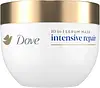 Key Ingredients
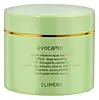
Benefits
Concerns
Ingredients Side-by-side
Water
Skin ConditioningCetearyl Alcohol
Emollient






Behentrimonium Chloride
Preservative
Glycerin
Humectant


Dimethiconol/Silsesquioxane Copolymer
Skin ConditioningIsohexadecane
EmollientDipropylene Glycol
HumectantParfum
Masking


Citric Acid
Buffering

Lactic Acid
Buffering




Sodium Gluconate
ChelatingSodium Benzoate
Masking
Disodium EDTA
ChelatingSodium Citrate
BufferingCocos Nucifera Oil
Masking
Sodium Chloride
MaskingSh-Polypeptide-50
Skin Conditioning
Avena Sativa Peptide
Skin Conditioning
Ceramide EOP
Skin Conditioning


Ceramide AP
Skin Conditioning
Ceramide NP
Skin Conditioning
Hydrolyzed Soy Protein
Humectant
Benzyl Salicylate
Perfuming
Hexyl Cinnamal
Perfuming
Limonene
Perfuming
Linalool
Perfuming
CI 19140
Cosmetic ColorantCI 15985
Cosmetic ColorantWater, Cetearyl Alcohol, Behentrimonium Chloride, Glycerin, Dimethiconol/Silsesquioxane Copolymer, Isohexadecane, Dipropylene Glycol, Parfum, Citric Acid, Lactic Acid, Sodium Gluconate, Sodium Benzoate, Disodium EDTA, Sodium Citrate, Cocos Nucifera Oil, Sodium Chloride, Sh-Polypeptide-50, Avena Sativa Peptide, Ceramide EOP, Ceramide AP, Ceramide NP, Hydrolyzed Soy Protein, Benzyl Salicylate, Hexyl Cinnamal, Limonene, Linalool, CI 19140, CI 15985
Water
Skin ConditioningPersea Gratissima Fruit Extract
EmollientCetyl Alcohol
Emollient
Behentrimonium Chloride
Preservative
Dimethicone
Emollient
Glycerin
Humectant
Amodimethicone
Panthenol
Skin Conditioning
Hydrolyzed Collagen
Emollient
Persea Gratissima Oil
Skin Conditioning
Simmondsia Chinensis Seed Oil
Emollient
Camellia Japonica Seed Oil
Emollient
Prunus Amygdalus Dulcis Oil
Skin Conditioning
Argania Spinosa Kernel Oil
Emollient
Olea Europaea Fruit Oil
Masking
Saccharomyces Cerevisiae Extract
Skin Conditioning
Butylene Glycol
Humectant
Lactobacillus/Soymilk Ferment Filtrate
Skin ConditioningMilk Protein Extract
Glycine
Buffering
Serine
Masking
Glutamic Acid
Humectant
Lactobacillus Ferment
Skin Conditioning
Aspartic Acid
Masking
Leucine
Skin ConditioningAlanine
Masking
Lysine
Skin ConditioningArginine
Masking
Sesamum Indicum Seed Extract
Skin Conditioning
Glycine Max Seed Extract
Skin ConditioningOryza Sativa Extract
Absorbent
Tyrosine
MaskingPhenylalanine
Masking
Valine
MaskingThreonine
Proline
Skin Conditioning
Isoleucine
Skin ConditioningHistidine
Humectant
Cysteine
Antioxidant
Methionine
Skin ConditioningUndaria Pinnatifida Extract
Skin ConditioningBiotin
AntiseborrhoeicCeramide NP
Skin Conditioning
Sodium Hyaluronate
Humectant
Collagen Amino Acids
Moisturising
Hydrolyzed Keratin
Humectant
Diospyros Kaki Fruit Extract
Skin ConditioningHoney Extract
Humectant
Camellia Japonica Leaf Extract
Skin ConditioningCeratonia Siliqua Fruit Extract
MaskingHydrolyzed Wheat Protein
Skin ConditioningHydrolyzed Elastin
EmollientCollagen Extract
Skin Conditioning
Copper Tripeptide-1
Skin Conditioning
Acetyl Hexapeptide-8
Humectant
Palmitoyl Pentapeptide-4
Skin Conditioning
Palmitoyl Tetrapeptide-7
Skin Conditioning
Palmitoyl Tripeptide-1
Skin Conditioning
Allantoin
Skin Conditioning
Isopropyl Alcohol
Solvent

Parfum
Masking
Cetrimonium Chloride
Antimicrobial
Methylpropanediol
SolventHydroxyacetophenone
Antioxidant
1,2-Hexanediol
Skin Conditioning
Polyquaternium-10
Ethylhexylglycerin
Skin ConditioningLaureth-5
EmulsifyingC12-15 Pareth-3
EmulsifyingGuar Hydroxypropyltrimonium Chloride
Skin ConditioningCocamidopropyl Betaine
Cleansing
Laurylpyridinium Chloride
AntimicrobialDisodium EDTA
ChelatingSodium Chloride
MaskingWater, Persea Gratissima Fruit Extract, Cetyl Alcohol, Behentrimonium Chloride, Dimethicone, Glycerin, Amodimethicone, Panthenol, Hydrolyzed Collagen, Persea Gratissima Oil, Simmondsia Chinensis Seed Oil, Camellia Japonica Seed Oil, Prunus Amygdalus Dulcis Oil, Argania Spinosa Kernel Oil, Olea Europaea Fruit Oil, Saccharomyces Cerevisiae Extract, Butylene Glycol, Lactobacillus/Soymilk Ferment Filtrate, Milk Protein Extract, Glycine, Serine, Glutamic Acid, Lactobacillus Ferment, Aspartic Acid, Leucine, Alanine, Lysine, Arginine, Sesamum Indicum Seed Extract, Glycine Max Seed Extract, Oryza Sativa Extract, Tyrosine, Phenylalanine, Valine, Threonine, Proline, Isoleucine, Histidine, Cysteine, Methionine, Undaria Pinnatifida Extract, Biotin, Ceramide NP, Sodium Hyaluronate, Collagen Amino Acids, Hydrolyzed Keratin, Diospyros Kaki Fruit Extract, Honey Extract, Camellia Japonica Leaf Extract, Ceratonia Siliqua Fruit Extract, Hydrolyzed Wheat Protein, Hydrolyzed Elastin, Collagen Extract, Copper Tripeptide-1, Acetyl Hexapeptide-8, Palmitoyl Pentapeptide-4, Palmitoyl Tetrapeptide-7, Palmitoyl Tripeptide-1, Allantoin, Isopropyl Alcohol, Parfum, Cetrimonium Chloride, Methylpropanediol, Hydroxyacetophenone, 1,2-Hexanediol, Polyquaternium-10, Ethylhexylglycerin, Laureth-5, C12-15 Pareth-3, Guar Hydroxypropyltrimonium Chloride, Cocamidopropyl Betaine, Laurylpyridinium Chloride, Disodium EDTA, Sodium Chloride
Reviews
Ingredients Explained
These ingredients are found in both products.
Ingredients higher up in an ingredient list are typically present in a larger amount.
This ingredient is a preservative and often used for it's anti-static properties. You'll most likely see this ingredient in hair conditioners.
It does not cause irritation or sensitization in leave-on products at 1-5%.
Ceramide NP (formerly known as Ceramide 3) is one of the skin's naturally occurring lipids.
Since ceramides are the major lipid components of the skin, they are crucial for maintaining skin barrier and hydration. Ceramide NP most closely mirrors the dominant kind in human skin amongst ceramide subtypes.
This ceramide works by slotting into gaps within the stratum corneum's lipid matrix to limit trans-epidermal water loss (TEWL) and shield the skin against external irritants.
A study with 312 patients found that using a ceramide-containing routine for 4 weeks reduced the severity of atopic dermatitis by over 61%.
Another clinical study in subjects aged 60 and older found that a ceramide body wash and moisturizer improved skin dryness and itchy skin in 15 days.
Overall, ceramides are considered non-irritating and safety tests have found little to no observable adverse effects from using this ingredient.
Ceramide NP is usually sourced from plants (like soybean or rice bran), or produced synthetically.
Learn more about Ceramide NPDisodium EDTA is a chelating agent. It grabs onto and deactivates metal ions that sneak into your products from water, packaging, or air.
This ingredient mainly works behind the scenes and helps with:
On top of that, this ingredient can counteract the effects of hard water by binding to the minerals in it.
One thing worth knowing is that Disodium EDTA has been shown to be a mild penetration enhancer. It can help other ingredients absorb into skin more effectively which can be a double-edged sword (great for actives, but can also make the active too strong if you have sensitive skin).
Clinical patch testing showed no significant skin irritation at typical use concentrations and minimal dermal absorption.
You'll most likely see this ingredient near the end of an ingredient list. It's typically found in concentrations less than 1%.
Learn more about Disodium EDTAGlycerin (or glycerol) is a compound naturally found in your skin. It's a powerhouse humectant that pulls water into the stratum corneum.
Topically, glycerin does several things at once:
Your skin makes glycerin on its own (mostly from sebaceous oil breakdown) and shuttles it to your outermost layer of skin, or your epidermis, via aquaporin-3.
Aquaporin-3 is a transporter that is essential for normal skin hydration, elasticity, and repair. Interestingly, mice lacking in AQP3 have dry and less elastic skin that can be fully corrected with glycerin.
This ingredient is non-irritating, plays well with almost every ingredient, and works across all skin types. Typical use is anywhere between 3-10% but can go up to 79% in some leave-on products.
Just know very high concentrations (>40%) can feel tacky in low humidity.
Glycerin is the name for this ingredient in American English. British English uses Glycerol/Glycerine.
Learn more about GlycerinParfum is a catch-all term for an ingredient or more that is used to give a scent to products.
Also called "fragrance", this ingredient can be a blend of hundreds of chemicals or plant oils. This means every product with "fragrance" or "parfum" in the ingredients list is a different mixture.
For instance, Habanolide is a proprietary trade name for a specific aroma chemical. When used as a fragrance ingredient in cosmetics, most aroma chemicals fall under the broad labeling category of “FRAGRANCE” or “PARFUM” according to EU and US regulations.
The term 'parfum' or 'fragrance' is not regulated in many countries. In many cases, it is up to the brand to define this term.
For instance, many brands choose to label themselves as "fragrance-free" because they are not using synthetic fragrances. However, their products may still contain ingredients such as essential oils that are considered a fragrance by INCI standards.
One example is Calendula flower extract. Calendula is an essential oil that still imparts a scent or 'fragrance'.
Depending on the blend, the ingredients in the mixture can cause allergies and sensitivities on the skin. Some ingredients that are known EU allergens include linalool and citronellol.
Parfum can also be used to mask or cover an unpleasant scent.
The bottom line is: not all fragrances/parfum/ingredients are created equally. If you are worried about fragrances, we recommend taking a closer look at an ingredient. And of course, we always recommend speaking with a professional.
Learn more about ParfumChances are, you eat sodium chloride every day. Sodium Chloride is also known as table salt. This ingredient has many purposes in skincare: thickener, emulsifier, and exfoliator.
You'll most likely find this ingredient in cleansers where it is used to create a gel-like texture. As an emulsifier, it also prevents ingredients from separating.
You might see people debate whether Sodium Chloride is comedogenic, but there actually haven't been any comedogenic tests done on it. Either way, the overall formulation of a product matters a lot more than any single ingredient.
You might see this ingredient used in scrubs as a primary exfoliating ingredient.
Learn more about Sodium ChlorideWater. It's the most common cosmetic ingredient of all. You'll usually see it at the top of ingredient lists, meaning that it makes up the largest part of the product.
So why is it so popular? Water most often acts as a solvent - this means that it helps dissolve other ingredients into the formulation.
You'll also recognize water as that liquid we all need to stay alive. If you see this, drink a glass of water. Remember to stay hydrated!
Learn more about Water

