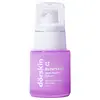
This brightening serum is formulated around Tranexamic Acid and Niacinamide to fade the look of dark spots and calm redness.
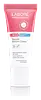
This barrier-repair moisturizer is formulated around Allantoin and Bifida Ferment Lysate to strengthen the skin barrier and calm redness.

What's inside
What's inside
 Key Ingredients
Benefits
Concerns
Ingredients Side-by-side
Water
Skin ConditioningTranexamic Acid
Astringent




Niacinamide
Smoothing







Centella Asiatica Extract
Cleansing
Propylene Glycol
Humectant


Glycerin
Humectant
Arbutin
Antioxidant

Petrolatum
Emollient


Triethanolamine
BufferingIsopropyl Myristate
Emollient

Carbomer
Emulsion StabilisingCetyl Alcohol
Emollient

Dimethicone
Emollient
Cetearyl Alcohol
Emollient
1,2-Hexanediol
Skin Conditioning
Glyceryl Stearate
Emollient
Pectin
Emulsion StabilisingCaprylyl Glycol
Emollient
Ceteareth-20
CleansingPEG-40 Stearate
Emulsifying
3-O-Ethyl Ascorbic Acid
Skin Conditioning
Disodium EDTA
Sodium Chloride
MaskingHoney Extract
Humectant
Sodium Hyaluronate
Humectant
Hyaluronic Acid
Humectant
Hydrolyzed Hyaluronic Acid
Humectant
Hydrolyzed Sodium Hyaluronate
Skin Conditioning
Hydroxypropyltrimonium Hyaluronate
Potassium Hyaluronate
Skin ConditioningPEG-9 Diglycidyl Ether/Sodium Hyaluronate Crosspolymer
Skin ConditioningSodium Acetylated Hyaluronate
Humectant
DMDM Hydantoin
Preservative
Phenoxyethanol
Preservative
Benzoic Acid
Masking
Water, Tranexamic Acid, Niacinamide, Centella Asiatica Extract, Propylene Glycol, Glycerin, Arbutin, Petrolatum, Triethanolamine, Isopropyl Myristate, Carbomer, Cetyl Alcohol, Dimethicone, Cetearyl Alcohol, 1,2-Hexanediol, Glyceryl Stearate, Pectin, Caprylyl Glycol, Ceteareth-20, PEG-40 Stearate, 3-O-Ethyl Ascorbic Acid, Disodium EDTA, Sodium Chloride, Honey Extract, Sodium Hyaluronate, Hyaluronic Acid, Hydrolyzed Hyaluronic Acid, Hydrolyzed Sodium Hyaluronate, Hydroxypropyltrimonium Hyaluronate, Potassium Hyaluronate, PEG-9 Diglycidyl Ether/Sodium Hyaluronate Crosspolymer, Sodium Acetylated Hyaluronate, DMDM Hydantoin, Phenoxyethanol, Benzoic Acid
1,2-Hexanediol
Skin Conditioning
Allantoin
Skin Conditioning
Water
Skin ConditioningBifida Ferment Lysate
Skin Conditioning
Bisabolol
Antioxidant
Butylene Glycol
Humectant
Butyrospermum Parkii Butter
Skin Conditioning
Caprylhydroxamic Acid
Cetearyl Alcohol
Emollient
Cetearyl Glucoside
Emulsifying
Chlorphenesin
Antimicrobial
Citric Acid
Buffering
Dicaprylyl Carbonate
EmollientDimethicone
Emollient
Disodium EDTA
Glucose
Humectant
Glycerin
Humectant
Glyceryl Stearate
Emollient
Hydroxyethyl Acrylate/Sodium Acryloyldimethyl Taurate Copolymer
Emulsion StabilisingMirabilis Jalapa Extract
Skin ConditioningPEG-100 Stearate
Surfactant
PEG-8
HumectantPEG-6 Caprylic/Capric Glycerides
EmulsifyingPhragmites Karka Extract
Skin ConditioningPolysilicone-11
Poria Cocos Extract
Skin ConditioningPropanediol
Solvent
Abn Complex
Saccharide Isomerate
Humectant
Sodium Benzoate
Masking
Sodium Citrate
BufferingSodium Hyaluronate
Humectant
Squalane
Emollient
Tocopheryl Acetate
Antioxidant
Xanthan Gum
Emulsifying1,2-Hexanediol, Allantoin, Water, Bifida Ferment Lysate, Bisabolol, Butylene Glycol, Butyrospermum Parkii Butter, Caprylhydroxamic Acid, Cetearyl Alcohol, Cetearyl Glucoside, Chlorphenesin, Citric Acid, Dicaprylyl Carbonate, Dimethicone, Disodium EDTA, Glucose, Glycerin, Glyceryl Stearate, Hydroxyethyl Acrylate/Sodium Acryloyldimethyl Taurate Copolymer, Mirabilis Jalapa Extract, PEG-100 Stearate, PEG-8, PEG-6 Caprylic/Capric Glycerides, Phragmites Karka Extract, Polysilicone-11, Poria Cocos Extract, Propanediol, Abn Complex, Saccharide Isomerate, Sodium Benzoate, Sodium Citrate, Sodium Hyaluronate, Squalane, Tocopheryl Acetate, Xanthan Gum
Reviews
Ingredients Explained
These ingredients are found in both products.
Ingredients higher up in an ingredient list are typically present in a larger amount.
1,2-Hexanediol is a synthetic liquid and another multi-functional powerhouse.
It is a:
- Humectant, drawing moisture into the skin
- Emollient, helping to soften skin
- Solvent, dispersing and stabilizing formulas
- Preservative booster, enhancing the antimicrobial activity of other preservatives
Cetearyl alcohol is a waxy mixture of two fatty alcohols: cetyl alcohol and stearyl alcohol. It is an emollient and emulsifier.
Despite having "alcohol" in its name, it has nothing to do with drying solvent alcohols; the FDA also allows "alcohol-free" products to contain fatty alcohols like this ingredient.
It plays several roles in a formula:
Typical use levels for this ingredient sit around 1-10% and the Cosmetic Ingredient Review Expert Panel has affirmed safety at concentrations up to 25% in leave-on products.
Multiple assessments have found it to be non-irritating and non-sensitizing to most people.
However, there have been some cases of allergic contact dermatitis in patients with chronically compromised skin barriers.
Cetearyl alcohol has a comedogenic rating of 2 and irritancy rating of 1. Both of these numbers come from the 1989 study that used rabbit ears; a "2" means mildly comedogenic and a "1" means low irritancy.
Here's the catch: rabbit skin is more sensitive than human skin and throws a lot of false positives. A 1996 reappraisal found that ingredients rated 1-2 in the rabbit ear tests are generally safe for humans.
Remember comedogenic ratings are unable to assess the entire formula of a product or how it will react on your skin. Just be sure to patch test if you are unsure about certain ingredients.
This ingredient is not fungal acne safe. Cetearyl alcohol is a fatty alcohol with chain lengths that fall within the range that Malassezia can metabolize.
A 2019 study has also observed Malassezia growth in the presence of this ingredient, confirming it to be not-fungal acne safe.
Learn more about Cetearyl AlcoholDimethicone is a type of synthetic silicone created from natural materials such as quartz. It is also known as polydimethylsiloxane.
What it does:
Dimethicone comes in different viscosities:
Depending on the viscosity, dimethicone has different properties.
Ingredients lists don't always show which type is used, so we recommend reaching out to the brand if you have questions about the viscosity.
This ingredient is unlikely to cause irritation because it does not get absorbed into skin. However, people with silicone allergies should be careful about using this ingredient.
Note: Dimethicone may contribute to pilling. This is because it is not oil or water soluble, so pilling may occur when layered with products. When mixed with heavy oils in a formula, the outcome is also quite greasy.
Learn more about DimethiconeDisodium EDTA is a chelating agent. It grabs onto and deactivates metal ions that sneak into your products from water, packaging, or air.
This ingredient mainly works behind the scenes and helps with:
On top of that, this ingredient can counteract the effects of hard water by binding to the minerals in it.
One thing worth knowing is that Disodium EDTA has been shown to be a mild penetration enhancer. It can help other ingredients absorb into skin more effectively which can be a double-edged sword (great for actives, but can also make the active too strong if you have sensitive skin).
Clinical patch testing showed no significant skin irritation at typical use concentrations and minimal dermal absorption.
You'll most likely see this ingredient near the end of an ingredient list. It's typically found in concentrations less than 1%.
Learn more about Disodium EDTAGlycerin (or glycerol) is a compound naturally found in your skin. It's a powerhouse humectant that pulls water into the stratum corneum.
Topically, glycerin does several things at once:
Your skin makes glycerin on its own (mostly from sebaceous oil breakdown) and shuttles it to your outermost layer of skin, or your epidermis, via aquaporin-3.
Aquaporin-3 is a transporter that is essential for normal skin hydration, elasticity, and repair. Interestingly, mice lacking in AQP3 have dry and less elastic skin that can be fully corrected with glycerin.
This ingredient is non-irritating, plays well with almost every ingredient, and works across all skin types. Typical use is anywhere between 3-10% but can go up to 79% in some leave-on products.
Just know very high concentrations (>40%) can feel tacky in low humidity.
Glycerin is the name for this ingredient in American English. British English uses Glycerol/Glycerine.
Learn more about GlycerinGlyceryl Stearate is made by reacting glycerin with stearic acid (typically sourced from plant oils like palm or coconut). It's an emulsifier, emollient, and mild occlusive.
Emulsifiers help ingredients like oil and water stay mixed so your formula stays nicely blended and uniform in texture.
This ingredient is typically used in concentrations between 1-10%. Studies have found it to be non-sensitizing, non-phototoxic, and non-photoallergenic.
A close cousin of this ingredient is Glyceryl Stearate SE ("self-emulsifying"). This just has a small amount of sodium or potassium stearate added so it can emulsify without a co-emulsifier.
Since this ingredient is an ester of a C18 fatty acid, it may not be fungal acne safe. The Malassezia yeast can potentially metabolize within the C11-C24 range.
Fun fact: The human body also creates Glyceryl Stearate naturally.
Learn more about Glyceryl StearateSodium Hyaluronate is the salt form of hyaluronic acid. It is a long sugar chain that is naturally found in your skin, joints, and connective tissue that maintains hydration and elasticity.
In skincare, it works as a humectant. It pulls water from the environment and deeper layers of skin and binds it to the surface.
Interestingly, the size of the molecule affects its behavior:
Some clinical evidence links low molecular weight versions to improved wrinkle depth, elasticity, anti-inflammatory effects, and barrier repair.
Many serums use a blend of both weights so you can get surface hydration plus longer-lasting and deeper effects.
You'll typically see concentrations between 0.1-2% for this ingredient.
Learn more about Sodium HyaluronateWater. It's the most common cosmetic ingredient of all. You'll usually see it at the top of ingredient lists, meaning that it makes up the largest part of the product.
So why is it so popular? Water most often acts as a solvent - this means that it helps dissolve other ingredients into the formulation.
You'll also recognize water as that liquid we all need to stay alive. If you see this, drink a glass of water. Remember to stay hydrated!
Learn more about Water

