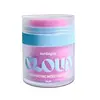
This barrier-repair moisturizer is formulated around Saccharide Isomerate and Sodium Hyaluronate to strengthen the skin barrier and hydrate skin.
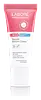
This barrier-repair moisturizer is formulated around Allantoin and Bifida Ferment Lysate to strengthen the skin barrier and calm redness.

What's inside
What's inside
 Key Ingredients
Benefits
Concerns
Ingredients Side-by-side
Propylene Glycol
Humectant


Carbomer
Emulsion StabilisingPhenoxyethanol
Preservative
Saccharide Isomerate
Humectant

Glycerin
Humectant
Myrothamnus Flabellifolia Leaf/Stem Extract
HumectantCaprylic/Capric Triglyceride
Masking
Triethanolamine
BufferingSodium Hyaluronate
Humectant

Chlorphenesin
Antimicrobial
Cetyl-Pg Hydroxyethyl Palmitamide
Skin ConditioningHydrogenated Lecithin
Emulsifying
Cholesterol
Emollient
Ceramide NP
Skin Conditioning

Palmitoyl Tripeptide-5
Skin Conditioning

CI 42090
Cosmetic ColorantCI 14720
Cosmetic ColorantPropylene Glycol, Carbomer, Phenoxyethanol, Saccharide Isomerate, Glycerin, Myrothamnus Flabellifolia Leaf/Stem Extract, Caprylic/Capric Triglyceride, Triethanolamine, Sodium Hyaluronate, Chlorphenesin, Cetyl-Pg Hydroxyethyl Palmitamide, Hydrogenated Lecithin, Cholesterol, Ceramide NP, Palmitoyl Tripeptide-5, CI 42090, CI 14720
1,2-Hexanediol
Skin Conditioning
Allantoin
Skin Conditioning
Water
Skin ConditioningBifida Ferment Lysate
Skin Conditioning
Bisabolol
Antioxidant
Butylene Glycol
Humectant
Butyrospermum Parkii Butter
Skin Conditioning


Caprylhydroxamic Acid
ChelatingCetearyl Alcohol
Emollient
Cetearyl Glucoside
Emulsifying
Chlorphenesin
Antimicrobial
Citric Acid
Buffering

Dicaprylyl Carbonate
EmollientDimethicone
Emollient
Disodium EDTA
ChelatingGlucose
Humectant
Glycerin
Humectant
Glyceryl Stearate
Emollient
Hydroxyethyl Acrylate/Sodium Acryloyldimethyl Taurate Copolymer
Emulsion StabilisingMirabilis Jalapa Extract
Skin ConditioningPEG-100 Stearate
Surfactant
PEG-8
HumectantPEG-6 Caprylic/Capric Glycerides
EmulsifyingPhragmites Karka Extract
Skin ConditioningPolysilicone-11

Poria Cocos Extract
Skin ConditioningPropanediol
Solvent
Abn Complex
Saccharide Isomerate
Humectant
Sodium Benzoate
Masking
Sodium Citrate
BufferingSodium Hyaluronate
Humectant
Squalane
Emollient
Tocopheryl Acetate
Antioxidant
Xanthan Gum
Emulsifying1,2-Hexanediol, Allantoin, Water, Bifida Ferment Lysate, Bisabolol, Butylene Glycol, Butyrospermum Parkii Butter, Caprylhydroxamic Acid, Cetearyl Alcohol, Cetearyl Glucoside, Chlorphenesin, Citric Acid, Dicaprylyl Carbonate, Dimethicone, Disodium EDTA, Glucose, Glycerin, Glyceryl Stearate, Hydroxyethyl Acrylate/Sodium Acryloyldimethyl Taurate Copolymer, Mirabilis Jalapa Extract, PEG-100 Stearate, PEG-8, PEG-6 Caprylic/Capric Glycerides, Phragmites Karka Extract, Polysilicone-11, Poria Cocos Extract, Propanediol, Abn Complex, Saccharide Isomerate, Sodium Benzoate, Sodium Citrate, Sodium Hyaluronate, Squalane, Tocopheryl Acetate, Xanthan Gum
Reviews
Ingredients Explained
These ingredients are found in both products.
Ingredients higher up in an ingredient list are typically present in a larger amount.
Chlorphenesin is a synthetic preservative. It helps protect a product against bacteria in order to extend shelf life. In most cases, Chlorphenesin is paired with other preservatives such as phenoxyethanol and caprylyl glycol.
Chlorphenesin is a biocide. This means it is able to help fight the microorganisms on our skin. It is also able to fight odor-releasing bacteria.
Chlorphenesin is soluble in both water and glycerin.
Studies show Chlorphenesin is easily absorbed by our skin. You should speak with a skincare professional if you have concerns about using Chlorphenesin.
Learn more about ChlorphenesinGlycerin (or glycerol) is a compound naturally found in your skin. It's a powerhouse humectant that pulls water into the stratum corneum.
Topically, glycerin does several things at once:
Your skin makes glycerin on its own (mostly from sebaceous oil breakdown) and shuttles it to your outermost layer of skin, or your epidermis, via aquaporin-3.
Aquaporin-3 is a transporter that is essential for normal skin hydration, elasticity, and repair. Interestingly, mice lacking in AQP3 have dry and less elastic skin that can be fully corrected with glycerin.
This ingredient is non-irritating, plays well with almost every ingredient, and works across all skin types. Typical use is anywhere between 3-10% but can go up to 79% in some leave-on products.
Just know very high concentrations (>40%) can feel tacky in low humidity.
Glycerin is the name for this ingredient in American English. British English uses Glycerol/Glycerine.
Learn more about GlycerinSaccharide Isomerate comes from sugars found in corn. It is a skin hydrator.
The structure of this ingredient can be altered to be more similar to the carbohydrates found in our skin. This ability to mimic our skin gives it hydrating properties.
Specifically, saccharide Isomerate is a humectant. Humectants draw moisture from the air to our skin.
Research shows Saccharide Isomerate to be an effective moisturizer.
Learn more about Saccharide IsomerateSodium Hyaluronate is the salt form of hyaluronic acid. It is a long sugar chain that is naturally found in your skin, joints, and connective tissue that maintains hydration and elasticity.
In skincare, it works as a humectant. It pulls water from the environment and deeper layers of skin and binds it to the surface.
Interestingly, the size of the molecule affects its behavior:
Some clinical evidence links low molecular weight versions to improved wrinkle depth, elasticity, anti-inflammatory effects, and barrier repair.
Many serums use a blend of both weights so you can get surface hydration plus longer-lasting and deeper effects.
You'll typically see concentrations between 0.1-2% for this ingredient.
Learn more about Sodium Hyaluronate

