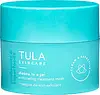
This wash off mask is formulated around Salicylic Acid to clear breakouts and unclog pores.
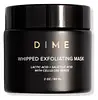
This wash off mask is formulated around Lactic Acid to exfoliate and smooth skin.

What's inside
What's inside
 Key Ingredients
Benefits
Concerns
Ingredients Side-by-side
Water
Skin ConditioningCetearyl Alcohol
Emollient






Glyceryl Stearate
Emollient
Salicylic Acid
Masking








Potassium Olivoyl PCA
CleansingGlyceryl Oleate
Emollient

Cellulose
Absorbent
Caprylic/Capric Triglyceride
Masking

Prunus Amygdalus Dulcis Oil
Skin Conditioning
Glycerin
Humectant
Glycol Distearate
Emollient
Butylene Glycol
Humectant
Lactic Acid
Buffering


Hydrogenated Castor Oil
Emollient
Orobanche Rapum Extract
Skin ProtectingLimnanthes Alba Seed Oil
Skin Conditioning
Squalane
Emollient
Pisum Sativum Extract
Skin ConditioningOlea Europaea Oil Unsaponifiables
Skin Conditioning
Bambusa Vulgaris Leaf/Stem Extract
HumectantTocopherol
Antioxidant


Glucosamine
Propanediol
Solvent
Xanthan Gum
EmulsifyingCaramel
Cosmetic ColorantCarbomer
Emulsion StabilisingHexylene Glycol
EmulsifyingCaprylyl Glycol
Emollient
Phenoxyethanol
Preservative
Ethylhexylglycerin
Skin ConditioningTetrasodium Glutamate Diacetate
ChelatingWater, Cetearyl Alcohol, Glyceryl Stearate, Salicylic Acid, Potassium Olivoyl PCA, Glyceryl Oleate, Cellulose, Caprylic/Capric Triglyceride, Prunus Amygdalus Dulcis Oil, Glycerin, Glycol Distearate, Butylene Glycol, Lactic Acid, Hydrogenated Castor Oil, Orobanche Rapum Extract, Limnanthes Alba Seed Oil, Squalane, Pisum Sativum Extract, Olea Europaea Oil Unsaponifiables, Bambusa Vulgaris Leaf/Stem Extract, Tocopherol, Glucosamine, Propanediol, Xanthan Gum, Caramel, Carbomer, Hexylene Glycol, Caprylyl Glycol, Phenoxyethanol, Ethylhexylglycerin, Tetrasodium Glutamate Diacetate
Water
Skin ConditioningGlycerin
Humectant
CI 77891
Cosmetic ColorantBentonite
Absorbent
Hydrogenated Soybean Oil
Emollient
Kaolin
Abrasive
Octyldodecyl Neopentanoate
EmollientSorbitan Stearate
Emulsifying
Bifida Ferment Lysate
Skin Conditioning
Lactic Acid
Buffering
Curcuma Longa Root Extract
Antioxidant
Citric Acid
Buffering
Butyrospermum Parkii Butter
Skin Conditioning
Olea Europaea Fruit Oil
Masking
Hydrolyzed Rice Protein
Skin ConditioningCichorium Intybus Root Extract
MaskingVaccinium Angustifolium Fruit Extract
Skin Protecting
Carthamus Tinctorius Seed Oil
Masking
Camellia Sinensis Leaf Extract
Antimicrobial
Camelina Sativa Seed Oil
Skin Conditioning
Volcanic Sand
Skin ConditioningLactis Proteinum
Skin ConditioningYogurt Powder
Ascorbyl Palmitate
Antioxidant
Microcrystalline Cellulose
AbsorbentOlus Oil
Emollient
Inulin
Skin Conditioning
Lactose
HumectantTocopheryl Acetate
Antioxidant
Butylene Glycol
Humectant
Xanthan Gum
EmulsifyingDecylene Glycol
Skin ConditioningCaprylyl Glycol
Emollient
Pentylene Glycol
Skin Conditioning
Ethylhexylglycerin
Skin ConditioningOctyldodecanol
Emollient
Bulnesia Sarmientoi Wood Oil
Masking
Cananga Odorata Flower Oil
Masking

Citrus Aurantium Dulcis Oil
Masking
Citrus Limon Fruit Oil
Astringent
Juniperus Mexicana Oil
Masking
Trisodium Dicarboxymethyl Alaninate
ChelatingSodium Chloride
MaskingSorbic Acid
Preservative
Sodium Glycolate
Buffering1,2-Hexanediol
Skin Conditioning
Phenethyl Alcohol
MaskingParfum
Masking
Phenoxyethanol
Preservative
CI 77289
Cosmetic ColorantCI 77007
Cosmetic ColorantWater, Glycerin, CI 77891, Bentonite, Hydrogenated Soybean Oil, Kaolin, Octyldodecyl Neopentanoate, Sorbitan Stearate, Bifida Ferment Lysate, Lactic Acid, Curcuma Longa Root Extract, Citric Acid, Butyrospermum Parkii Butter, Olea Europaea Fruit Oil, Hydrolyzed Rice Protein, Cichorium Intybus Root Extract, Vaccinium Angustifolium Fruit Extract, Carthamus Tinctorius Seed Oil, Camellia Sinensis Leaf Extract, Camelina Sativa Seed Oil, Volcanic Sand, Lactis Proteinum, Yogurt Powder, Ascorbyl Palmitate, Microcrystalline Cellulose, Olus Oil, Inulin, Lactose, Tocopheryl Acetate, Butylene Glycol, Xanthan Gum, Decylene Glycol, Caprylyl Glycol, Pentylene Glycol, Ethylhexylglycerin, Octyldodecanol, Bulnesia Sarmientoi Wood Oil, Cananga Odorata Flower Oil, Citrus Aurantium Dulcis Oil, Citrus Limon Fruit Oil, Juniperus Mexicana Oil, Trisodium Dicarboxymethyl Alaninate, Sodium Chloride, Sorbic Acid, Sodium Glycolate, 1,2-Hexanediol, Phenethyl Alcohol, Parfum, Phenoxyethanol, CI 77289, CI 77007
Ingredients Explained
These ingredients are found in both products.
Ingredients higher up in an ingredient list are typically present in a larger amount.
Butylene Glycol (or BG) is used within cosmetic products for a few different reasons:
Overall, Butylene Glycol is a safe and well-rounded ingredient that works well with other ingredients.
Though this ingredient works well with most skin types, some people with sensitive skin may experience a reaction such as allergic rashes, closed comedones, or itchiness.
Learn more about Butylene GlycolCaprylyl Glycol is a humectant, skin conditioner, emollient, and preservative booster derived from either caprylic acid or synthetically created.
Typical use levels vary from 0.3-1% as a preservative booster and go up to 2% to condition skin.
Because it is not a free-fatty acid, this ingredient is fungal acne safe (there's nothing for Malassezia to feed on).
Learn more about Caprylyl GlycolEthylhexylglycerin is created from glycerin. It is a multitasker ingredient that:
The CIR Expert Panel found minimal skin absorption or sensitization of any kind in a safety assessment. Though this ingredient is considered well-tolerated, a small number of cases of allergic dermatitis have been published since 2002. Just be sure to patch test if you are unsure.
Industry-reported use ranges from 8% in rinse-off products and 2% in leave-on formulations.
Learn more about EthylhexylglycerinGlycerin (or glycerol) is a compound naturally found in your skin. It's a powerhouse humectant that pulls water into the stratum corneum.
Topically, glycerin does several things at once:
Your skin makes glycerin on its own (mostly from sebaceous oil breakdown) and shuttles it to your outermost layer of skin, or your epidermis, via aquaporin-3.
Aquaporin-3 is a transporter that is essential for normal skin hydration, elasticity, and repair. Interestingly, mice lacking in AQP3 have dry and less elastic skin that can be fully corrected with glycerin.
This ingredient is non-irritating, plays well with almost every ingredient, and works across all skin types. Typical use is anywhere between 3-10% but can go up to 79% in some leave-on products.
Just know very high concentrations (>40%) can feel tacky in low humidity.
Glycerin is the name for this ingredient in American English. British English uses Glycerol/Glycerine.
Learn more about GlycerinLactic Acid is another well-loved alpha hydroxy acid (AHA). It is gentler than glycolic acid but still highly effective.
Its main role is to exfoliate the surface of the skin by loosening the “glue” that holds dead skin cells together. Shedding those old cells leads to smoother, softer, and more even-toned skin.
Because lactic acid molecules are larger than glycolic acid, they don’t penetrate as deeply. This means they’re less likely to sting or irritate, making it a great choice for beginners or those with sensitive skin.
Like glycolic acid, it can:
Lactic acid also acts as a humectant (like hyaluronic acid). It can draw water into the skin to improve hydration and also plays a role in the skin's natural moisturizing factor (NMF) in the form of sodium lactate.
Studies show it can boost ceramide production to strengthen the skin barrier and even help balance the skin’s microbiome.
To get results, choose products with a pH between 3-4.
Lower strengths (5-12%) focus on surface exfoliation; higher strengths (12% and up) can reach deeper in the dermis (deeper, supportive layer) to improve skin texture and firmness over time.
Though it was originally derived from milk, most modern lactic acid used in skincare is vegan. It is made through non-dairy fermentation to create a bio-identical and stable form suitable for all formulations.
When lactic acid shows up near the end of an ingredient list, it usually means the brand added just a tiny amount to adjust the product’s pH.
Legend has it that Cleopatra used to bathe in sour milk to help reduce wrinkles.
Lactic acid is truly a gentle multitasker: it exfoliates, hydrates, strengthens, and brightens. It's a great ingredient for giving your skin a smooth, glowing, and healthy look without the harshness of stronger acids.
Read more about some other popular AHA's here:
Learn more about Lactic AcidPhenoxyethanol is one of the most widely used preservatives in skincare (and for good reason!).
It has a large spectrum of antimicrobial activity and especially effective bacteria, yeast, and mold while only having a weak effect on your skin's natural microbiome.
On a cellular level, it disrupts the cell membranes of microbes by poking holes that make the cell leak. This shuts down the chemical reactions the microbe needs to make energy so it can no longer survive.
Another perk of this ingredient is that it stays functional across a wide pH range (3-10).
You'll often see it paired with boosters like Ethylhexylglycerin; one study showed that a 1:9 ratio of Ethylhexylglycerin to Phenoxyethanol damages bacterial membranes as effectively as doubling the Phenoxyethanol concentration on its own.
Typical use concentrations range from 0.3-1% depending on the formula, and this ingredient is capped at 1% int the EU.
Safety-wise, the fear mongering does not hold up to the evidence. The EU's Scientific Committee on Consumer Safety and FDA consider it safe as a preservative at up to 1%, including for children of all ages.
Adverse systemic effects only showed up in animal studies at exposures roughly 200x higher than what people get from cosmetics. And despite its very widespread use, this ingredient is a rare sensitizer and allergic reactions are uncommon.
Learn more about PhenoxyethanolWater. It's the most common cosmetic ingredient of all. You'll usually see it at the top of ingredient lists, meaning that it makes up the largest part of the product.
So why is it so popular? Water most often acts as a solvent - this means that it helps dissolve other ingredients into the formulation.
You'll also recognize water as that liquid we all need to stay alive. If you see this, drink a glass of water. Remember to stay hydrated!
Learn more about WaterXanthan gum is used as a stabilizer and thickener within cosmetic products. It helps give products a sticky, thick feeling - preventing them from being too runny.
On the technical side of things, xanthan gum is a polysaccharide - a combination consisting of multiple sugar molecules bonded together.
Xanthan gum is a pretty common and great ingredient. It is a natural, non-toxic, non-irritating ingredient that is also commonly used in food products.
Learn more about Xanthan Gum

