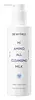
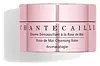
This mild cream cleanser is made to cleanse without leaving your skin tight or dry.
This mild cream cleanser is made to cleanse without leaving your skin tight or dry.


What's inside
What's inside
 Key Ingredients
Benefits
Concerns
Ingredients Side-by-side
Water
Skin ConditioningMacadamia Ternifolia Seed Oil
Emollient



Dipropylene Glycol
HumectantGlycerin
Humectant

1,2-Hexanediol
Skin Conditioning
Betaine
Humectant
C14-22 Alcohols
Emulsion Stabilising
Polysorbate 80
Emulsifying
Glyceryl Stearate
Emollient
Cetearyl Olivate
Decyl Glucoside
Cleansing
Sorbitan Olivate
Emulsifying
Arachidyl Alcohol
Emollient
C12-20 Alkyl Glucoside
EmulsifyingBehenyl Alcohol
Emollient
Arachidyl Glucoside
EmulsifyingEthylhexylglycerin
Skin ConditioningXanthan Gum
EmulsifyingTocopherol
Antioxidant





Acrylates/C10-30 Alkyl Acrylate Crosspolymer
Emulsion StabilisingArginine
Masking
Glucose
Humectant
Glyceryl Glucoside
Humectant
Butylene Glycol
Humectant
Sodium Lauroyl Oat Amino Acids
CleansingSodium Cocoyl Apple Amino Acids
Foam Boosting
Octyldodecanol
Emollient
Hydrogenated Lecithin
Emulsifying
Milk Protein Extract
Hexylene Glycol
EmulsifyingCeramide NP
Skin Conditioning
Betula Alba Juice
AstringentHyaluronic Acid
Humectant
Cocos Nucifera Fruit Extract
Emollient

Tetrasodium Glutamate Diacetate
ChelatingCaprylyl Glycol
Emollient
Disodium EDTA
ChelatingLavandula Angustifolia Oil
Masking



Water, Macadamia Ternifolia Seed Oil, Dipropylene Glycol, Glycerin, 1,2-Hexanediol, Betaine, C14-22 Alcohols, Polysorbate 80, Glyceryl Stearate, Cetearyl Olivate, Decyl Glucoside, Sorbitan Olivate, Arachidyl Alcohol, C12-20 Alkyl Glucoside, Behenyl Alcohol, Arachidyl Glucoside, Ethylhexylglycerin, Xanthan Gum, Tocopherol, Acrylates/C10-30 Alkyl Acrylate Crosspolymer, Arginine, Glucose, Glyceryl Glucoside, Butylene Glycol, Sodium Lauroyl Oat Amino Acids, Sodium Cocoyl Apple Amino Acids, Octyldodecanol, Hydrogenated Lecithin, Milk Protein Extract, Hexylene Glycol, Ceramide NP, Betula Alba Juice, Hyaluronic Acid, Cocos Nucifera Fruit Extract, Tetrasodium Glutamate Diacetate, Caprylyl Glycol, Disodium EDTA, Lavandula Angustifolia Oil
Rosa Damascena Flower Water
Masking
Dipropylene Glycol
HumectantGlycerin
Humectant
Propanediol
Solvent
Trehalose
Humectant
Triethylhexanoin
MaskingC14-22 Alcohols
Emulsion Stabilising
1,2-Hexanediol
Skin Conditioning
Hydrogenated Vegetable Oil
Emollient
PEG/PPG/Polybutylene Glycol-8/5/3 Glycerin
HumectantDicaprylyl Carbonate
EmollientPolyester-7
Skin ConditioningCetearyl Olivate
CI 77891
Cosmetic ColorantSorbitan Olivate
Emulsifying
Stearyl Heptanoate
Emollient
Glyceryl Stearate
Emollient
PEG-100 Stearate
Surfactant
C12-20 Alkyl Glucoside
EmulsifyingNeopentyl Glycol Diheptanoate
EmollientMica
Cosmetic ColorantStearyl Caprylate
EmollientAmmonium Acryloyldimethyltaurate/Vp Copolymer
Silica
Abrasive


Carbomer
Emulsion StabilisingCalophyllum Inophyllum Seed Oil
Antimicrobial
Oenothera Biennis Oil
Emollient
Sodium Hyaluronate
Humectant
Xanthan Gum
EmulsifyingRosa Canina Fruit Oil
Emollient
Tocopherol
Antioxidant
Helianthus Annuus Seed Oil
Emollient
Phytic Acid
Chelating
Sodium Hydroxide
BufferingRosa Centifolia Flower Extract
Astringent
Caprylic/Capric Triglyceride
Masking
Rubus Idaeus Leaf Cell Culture
Skin ConditioningChlorphenesin
Antimicrobial
Geraniol
Perfuming
Rosa Damascena Flower Water, Dipropylene Glycol, Glycerin, Propanediol, Trehalose, Triethylhexanoin, C14-22 Alcohols, 1,2-Hexanediol, Hydrogenated Vegetable Oil, PEG/PPG/Polybutylene Glycol-8/5/3 Glycerin, Dicaprylyl Carbonate, Polyester-7, Cetearyl Olivate, CI 77891, Sorbitan Olivate, Stearyl Heptanoate, Glyceryl Stearate, PEG-100 Stearate, C12-20 Alkyl Glucoside, Neopentyl Glycol Diheptanoate, Mica, Stearyl Caprylate, Ammonium Acryloyldimethyltaurate/Vp Copolymer, Silica, Carbomer, Calophyllum Inophyllum Seed Oil, Oenothera Biennis Oil, Sodium Hyaluronate, Xanthan Gum, Rosa Canina Fruit Oil, Tocopherol, Helianthus Annuus Seed Oil, Phytic Acid, Sodium Hydroxide, Rosa Centifolia Flower Extract, Caprylic/Capric Triglyceride, Rubus Idaeus Leaf Cell Culture, Chlorphenesin, Geraniol
Reviews
Ingredients Explained
These ingredients are found in both products.
Ingredients higher up in an ingredient list are typically present in a larger amount.
1,2-Hexanediol is a synthetic liquid and another multi-functional powerhouse.
It is a:
- Humectant, drawing moisture into the skin
- Emollient, helping to soften skin
- Solvent, dispersing and stabilizing formulas
- Preservative booster, enhancing the antimicrobial activity of other preservatives
We don't have a description for C12-20 Alkyl Glucoside yet.
This ingredient is a blend of long-chain fatty alcohols (myristyl, cetyl, stearyl, arachidyl, and behenyl). It is an emulsion stabilizer with emollient properties.
Don't let the word "alcohol" scare you: fatty alcohols are nothing like the drying solvents. This ingredient actually helps soften and smooth the skin.
By the way, the FDA allows products to be labeled "alcohol-free" even when they contain fatty alcohols like this one.
In a formula, it prevents the water and oil phases from separating over time while also contributing to a pleasant, non-greasy slip.
Interestingly, this ingredient can organize into the structures that mimic the skin's own lipid architecture to help support barrier function and reduce transepidermal water loss (TEWL).
The CIR Expert Panel has thoroughly assess the individual fatty alcohols that make up this blend and found no significant toxicity or dermal irritation.
Learn more about C14-22 AlcoholsCetearyl Olivate is a plant-derived emulsifier and texture enhancer. It helps keep the oil and water phases from separating so your formulas stay stable.
You'll likely see it combined with Sorbitan Olivate (together sold as the trade name Olivem 1000). This combination generates a liquid crystal structure that closely resemble the lipid organization of the stratum corneum.
These "skin-like" liquid crystals improve skin barrier integrity and promote the delivery of actives into the skin.
This ingredient is well-tolerated and has no significant sensitization data.
Because it is derived from the fatty acids in olive oil, this ingredient may not be fungal acne safe.
Learn more about Cetearyl OlivateDipropylene Glycol is a synthetically created humectant, stabilizer, and solvent.
This ingredient helps:
Dipropylene glycol is technically an alcohol, but it belongs to the glycol family (often considered part of the ‘good’ alcohols). This means it is hydrating and gentle on skin unlike drying solvent alcohols like denatured alcohol.
As a masking agent, Dipropylene Glycol can be used to cover the smell of other ingredients. However, it does not have a scent.
Studies show Dipropylene Glycol is considered safe to use in skincare.
Learn more about Dipropylene GlycolGlycerin (or glycerol) is a compound naturally found in your skin. It's a powerhouse humectant that pulls water into the stratum corneum.
Topically, glycerin does several things at once:
Your skin makes glycerin on its own (mostly from sebaceous oil breakdown) and shuttles it to your outermost layer of skin, or your epidermis, via aquaporin-3.
Aquaporin-3 is a transporter that is essential for normal skin hydration, elasticity, and repair. Interestingly, mice lacking in AQP3 have dry and less elastic skin that can be fully corrected with glycerin.
This ingredient is non-irritating, plays well with almost every ingredient, and works across all skin types. Typical use is anywhere between 3-10% but can go up to 79% in some leave-on products.
Just know very high concentrations (>40%) can feel tacky in low humidity.
Glycerin is the name for this ingredient in American English. British English uses Glycerol/Glycerine.
Learn more about GlycerinGlyceryl Stearate is made by reacting glycerin with stearic acid (typically sourced from plant oils like palm or coconut). It's an emulsifier, emollient, and mild occlusive.
Emulsifiers help ingredients like oil and water stay mixed so your formula stays nicely blended and uniform in texture.
This ingredient is typically used in concentrations between 1-10%. Studies have found it to be non-sensitizing, non-phototoxic, and non-photoallergenic.
A close cousin of this ingredient is Glyceryl Stearate SE ("self-emulsifying"). This just has a small amount of sodium or potassium stearate added so it can emulsify without a co-emulsifier.
Since this ingredient is an ester of a C18 fatty acid, it may not be fungal acne safe. The Malassezia yeast can potentially metabolize within the C11-C24 range.
Fun fact: The human body also creates Glyceryl Stearate naturally.
Learn more about Glyceryl StearateSorbitan Olivate is created from the fatty acids in olive oil and sorbitol.
This ingredient is an oil in water emulsifier. It helps stabilize a product by preventing oils and waters from separating. Sorbitan Olivate also helps hydrate the skin.
This ingredient is also known as part of Olivem 1000, with Cetearyl Olivate being the other part.
According to a manufacturer, this ingredient helps preserve the natural microbiome of skin. Having a healthy microbiome helps keep our skin healthy and protects against harmful bacteria.
Please note, having a healthy microbiome is different from fungal acne; a healthy microbiome includes small amounts of yeast that normally live on your skin without causing problems.
Fungal acne happens when one type of yeast (Malassezia) grows out of control. This is usually because it's feeding on certain oils or fatty acids. Due to the olive oil base, this ingredient may not be fungal acne safe.
Learn more about Sorbitan OlivateTocopherol is a fat-soluble antioxidant known as Vitamin E.
You'll find this ingredient in the vast majority of skincare (for good reason). It works to neutralize free radicals, or unstable molecules generated by UV exposure, pollution, and other environmental stressors, before they can cause oxidative damage to your skin cells.
Topically applied tocopherol has been shown to protect against UV damage by ramping up the skin's own natural defense enzymes.
It also acts as a skin conditioning agent; some studies show that regular topical use can improve the skin's water-binding capacity over 2-4 weeks.
This ingredient is especially loved for being a team player. When combined with Vitamin C, the photoprotective effect of both ingredients roughly doubles and the combo also helps reduce UV-induced DNA damage.
This ingredient has some brightening potential but it's more of a prevention ingredient than spot-fader. Cell studies show it can slow down melanin production but it's worth noting that it's not the most powerful brightener out there.
In formulations, it also serves as a stabilizer that helps protect other oxidation-prone ingredients from degrading.
Concentrations usually range from 0.1-1% in most leave-on products.
Learn more about TocopherolXanthan gum is used as a stabilizer and thickener within cosmetic products. It helps give products a sticky, thick feeling - preventing them from being too runny.
On the technical side of things, xanthan gum is a polysaccharide - a combination consisting of multiple sugar molecules bonded together.
Xanthan gum is a pretty common and great ingredient. It is a natural, non-toxic, non-irritating ingredient that is also commonly used in food products.
Learn more about Xanthan Gum

