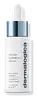
This hydrating serum is formulated around Panthenol and Hyaluronic Acid to hydrate skin and strengthen the skin barrier.
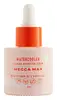
This hydrating serum is formulated around Panthenol and Saccharomyces Ferment to hydrate skin and calm redness.


What's inside
What's inside
 Key Ingredients
Benefits
Concerns
Ingredients Side-by-side
Water
Skin ConditioningPEG-8
HumectantGlycerin
Humectant


Methylpropanediol
SolventPropanediol
Solvent
PPG-24-Glycereth-24
Emulsifying1,2-Hexanediol
Skin Conditioning
Xylitylglucoside
Humectant
Butylene Glycol
Humectant
Hydroxyethyl Urea
Humectant
Panthenol
Skin Conditioning

Hydroxyacetophenone
Antioxidant
Lactic Acid
Buffering









Hyaluronic Acid
Humectant
Sodium Hyaluronate
Humectant
Dunaliella Salina Extract
Skin ConditioningAvena Sativa Kernel Extract
Abrasive
Citrus Aurantium Bergamia Fruit Oil
Masking


Citrus Paradisi Peel Oil
Masking
Citrus Limon Peel Oil
Masking
Santalum Album Oil
Masking
Laminaria Digitata Extract
Skin Protecting
Jasminum Sambac Flower Extract
Masking
Chondrus Crispus Extract
Skin Conditioning
Gigartina Stellata Extract
Skin ProtectingMacrocystis Pyrifera Extract
Skin Conditioning
Prunus Amygdalus Dulcis Oil
Skin Conditioning
Lithothamnion Calcareum Extract
Skin ConditioningCitrus Aurantium Dulcis Oil
Masking
Cupressus Sempervirens Oil
Masking
Cistus Ladaniferus Leaf/Stem Extract
MaskingJuniperus Virginiana Oil
Masking
Rosmarinus Officinalis Flower/Leaf/Stem Extract
MaskingTagetes Minuta Flower Oil
Masking
Rosa Damascena Flower
Skin ConditioningHydrolyzed Rice Protein
Skin ConditioningPentylene Glycol
Skin Conditioning
Sodium PCA
Humectant
Anhydroxylitol
Humectant
Xylitol
Humectant
Polyglutamic Acid
Skin Conditioning
Lactobacillus Ferment
Skin Conditioning
Lysine Hcl
Skin Conditioning
Betaine
Humectant
Sclerotium Gum
Emulsion StabilisingSodium Lactate
Buffering
PCA
Humectant
Glucose
Humectant
Serine
Masking
Alanine
Masking
Glycine
Buffering
Silanetriol
Pantolactone
Humectant
Glutamic Acid
Humectant
Threonine
Arginine
Masking
Proline
Skin Conditioning
Xanthan Gum
EmulsifyingTetrasodium Glutamate Diacetate
Polysorbate 20
Emulsifying
Sorbitan Isostearate
Emulsifying
Citric Acid
Buffering
Sodium Hydroxide
BufferingHydroxyethyl Acrylate/Sodium Acryloyldimethyl Taurate Copolymer
Emulsion StabilisingAmylopectin
Hydroxyethylcellulose
Emulsion StabilisingSodium Benzoate
Masking
Potassium Sorbate
Preservative
Limonene
Perfuming
Linalool
Perfuming
Water, PEG-8, Glycerin, Methylpropanediol, Propanediol, PPG-24-Glycereth-24, 1,2-Hexanediol, Xylitylglucoside, Butylene Glycol, Hydroxyethyl Urea, Panthenol, Hydroxyacetophenone, Lactic Acid, Hyaluronic Acid, Sodium Hyaluronate, Dunaliella Salina Extract, Avena Sativa Kernel Extract, Citrus Aurantium Bergamia Fruit Oil, Citrus Paradisi Peel Oil, Citrus Limon Peel Oil, Santalum Album Oil, Laminaria Digitata Extract, Jasminum Sambac Flower Extract, Chondrus Crispus Extract, Gigartina Stellata Extract, Macrocystis Pyrifera Extract, Prunus Amygdalus Dulcis Oil, Lithothamnion Calcareum Extract, Citrus Aurantium Dulcis Oil, Cupressus Sempervirens Oil, Cistus Ladaniferus Leaf/Stem Extract, Juniperus Virginiana Oil, Rosmarinus Officinalis Flower/Leaf/Stem Extract, Tagetes Minuta Flower Oil, Rosa Damascena Flower, Hydrolyzed Rice Protein, Pentylene Glycol, Sodium PCA, Anhydroxylitol, Xylitol, Polyglutamic Acid, Lactobacillus Ferment, Lysine Hcl, Betaine, Sclerotium Gum, Sodium Lactate, PCA, Glucose, Serine, Alanine, Glycine, Silanetriol, Pantolactone, Glutamic Acid, Threonine, Arginine, Proline, Xanthan Gum, Tetrasodium Glutamate Diacetate, Polysorbate 20, Sorbitan Isostearate, Citric Acid, Sodium Hydroxide, Hydroxyethyl Acrylate/Sodium Acryloyldimethyl Taurate Copolymer, Amylopectin, Hydroxyethylcellulose, Sodium Benzoate, Potassium Sorbate, Limonene, Linalool
Betula Alba Juice
AstringentPanthenol
Skin Conditioning
Saccharomyces Ferment
Skin Conditioning
Methylpropanediol
SolventPEG-75
Humectant1,2-Hexanediol
Skin Conditioning
Betaine
Humectant
Xylitylglucoside
Humectant
Anhydroxylitol
Humectant
Water
Skin ConditioningHydroxyacetophenone
Antioxidant
Caprylyl Glycol
Emollient
Xylitol
Humectant
PPG-26-Buteth-26
Skin ConditioningAcrylates/C10-30 Alkyl Acrylate Crosspolymer
Emulsion StabilisingGlycerin
Humectant
Ethylhexylglycerin
Skin ConditioningPEG-40 Hydrogenated Castor Oil
Emulsifying
Sodium Polyacrylate
Absorbent
Arginine
Masking
Sodium Phytate
Dunaliella Salina Extract
Skin ConditioningBetula Alba Juice, Panthenol, Saccharomyces Ferment, Methylpropanediol, PEG-75, 1,2-Hexanediol, Betaine, Xylitylglucoside, Anhydroxylitol, Water, Hydroxyacetophenone, Caprylyl Glycol, Xylitol, PPG-26-Buteth-26, Acrylates/C10-30 Alkyl Acrylate Crosspolymer, Glycerin, Ethylhexylglycerin, PEG-40 Hydrogenated Castor Oil, Sodium Polyacrylate, Arginine, Sodium Phytate, Dunaliella Salina Extract
Reviews
Ingredients Explained
These ingredients are found in both products.
Ingredients higher up in an ingredient list are typically present in a larger amount.
1,2-Hexanediol is a synthetic liquid and another multi-functional powerhouse.
It is a:
- Humectant, drawing moisture into the skin
- Emollient, helping to soften skin
- Solvent, dispersing and stabilizing formulas
- Preservative booster, enhancing the antimicrobial activity of other preservatives
This ingredient is created from dehydrating xylitol in acidic conditions. Xylitol is a famous sugar and humectant.
Much like its predecessor, anhydroxylitol is a humectant. Humectants attract and hold water to moisturize the skin.
This ingredient is most commonly found in a popular trio called Aquaxyl. Aquaxyl is made up of anhydroxylitol (24 - 34%), xylitylglucoside (35 - 50%), and xylitol (5 - 15%).
According to a manufacturer, Aquaxyl is known for a 3-D hydration concept and an anti-dehydration shield to reinforce the outer layer of skin.
This ingredient is often derived from plants such as wood and sugarcane.
Learn more about AnhydroxylitolArginine is a semi-essential amino acid. This just means our bodies can product a bit on its own, but sometimes needs a little boost from food sources.
It is a part of your skin's natural moisturizing factor (NMF), or the water-loving molecules in your outermost layer of skin (stratum corneum) that keeps everything hydrated and happy.
Here's an interesting thing about Arginine: your skin converts it into urea through the Krebs-Henseleit urea cycle. Urea is one of the most effective humectants your skin naturally produces.
A clinical study showed applying 2.5% arginine hydrochloride to atopic dermatitis skin showed significant urea levels in the stratum corneum and improved moisture in just four weeks.
Arginine is also a precursor to nitric oxide; nitric oxide improves microcirculation and supports wound healing and collagen synthesis.
One study found that an amino acid complex containing Arginine reduced skin irritation, improved hydration, and accelerated skin repair in clinical / in-vivo studies.
Arginine itself is an amino acid and not a fatty acid, oil, or ester. On its own, it's not a direct food source for Malassezia, or the yeast that causes fungal acne.
Learn more about ArginineBetaine is a humectant. Like hyaluronic acid, it helps attract and retain moisture in the skin. It’s known for being gentle and for helping the skin maintain balanced hydration.
Betaine is mainly used to improve hydration and support calmer skin. It helps skin cells regulate water balance because it functions as an osmolyte.
Some studies suggest betaine may support making skin tone more even.
Fun fact: Betaine naturally exists in the skin and the body. In cosmetic products, it can be either plant-derived (most commonly from sugar beets) or synthetically produced for consistency and stability.
Betaine is also known as trimethylglycine.
Learn more about BetaineWe don't have a description for Dunaliella Salina Extract yet.
Glycerin (or glycerol) is a compound naturally found in your skin. It's a powerhouse humectant that pulls water into the stratum corneum.
Topically, glycerin does several things at once:
Your skin makes glycerin on its own (mostly from sebaceous oil breakdown) and shuttles it to your outermost layer of skin, or your epidermis, via aquaporin-3.
Aquaporin-3 is a transporter that is essential for normal skin hydration, elasticity, and repair. Interestingly, mice lacking in AQP3 have dry and less elastic skin that can be fully corrected with glycerin.
This ingredient is non-irritating, plays well with almost every ingredient, and works across all skin types. Typical use is anywhere between 3-10% but can go up to 79% in some leave-on products.
Just know very high concentrations (>40%) can feel tacky in low humidity.
Glycerin is the name for this ingredient in American English. British English uses Glycerol/Glycerine.
Learn more about GlycerinHydroxyacetophenone is a small phenolic molecule that earns its place in a formulas as an antioxidant and preservative booster.
As a phenol, it is able to neutralize free radicals to protect both the product and the skin from oxidative stress.
Though it can't kill microbes on its own, it works as a good supporting agent when combined with other preservatives like Phenoxyethanol or 1,2-Hexanediol.
This ingredient naturally occurs as piceol in Norwegian spruce needles (~0.4-1.1% dry weight and in cloudberries). Though the cosmetic-grade material is synthesized for purity and consistency.
You'll usually see it used at low levels and suppliers recommend up to 1% added to a water phase.
Safety testing was done at concentrations like 0.05% in SPF products and 0.5% in a Human Repeated Insult Patch Test. The safety evidence is assuring; this ingredient is safe for cosmetics in current use and also holds safety status as a food flavoring as well.
An honest caveat: the "soothing" and "anti-inflammatory" claims come mostly from supplier marketing rather than published clinical trials. The Cosmetic Ingredient Review's own literature search found no useful efficacy studies on this ingredient.
So the antioxidant and preservative-boosting roles are the well supported ones while the calming benefit is plausible but thinly evidenced.
Overall, this is a well-tolerated, low-irritation multitasker that quietly helps a formula stay fresh and stable.
Learn more about HydroxyacetophenoneMethylpropanediol is a synthetic solvent and humectant.
As a solvent, it helps dissolve other ingredients, helping to evenly distribute ingredients throughout the product. This ingredient has also been shown to have antimicrobial properties which makes it a preservative booster.
Methylpropanediol is able to add a bit of moisture to the skin. It also helps other ingredients be better absorbed into the skin, such as salicylic acid.
Learn more about MethylpropanediolPanthenol is a common ingredient that helps hydrate and soothe the skin. It is found naturally in our skin and hair.
There are two forms of panthenol: D and L.
D-panthenol is also known as dexpanthenol. Most cosmetics use dexpanthenol or a mixture of D and L-panthenol.
Panthenol is famous due to its ability to go deeper into the skin's layers. Using this ingredient has numerous pros (and no cons):
Like hyaluronic acid, panthenol is a humectant. Humectants are able to bind and hold large amounts of water to keep skin hydrated.
This ingredient works well for wound healing. It works by increasing tissue in the wound and helps close open wounds.
Once oxidized, panthenol converts to pantothenic acid. Panthothenic acid is found in all living cells.
This ingredient is also referred to as pro-vitamin B5.
Learn more about PanthenolWater. It's the most common cosmetic ingredient of all. You'll usually see it at the top of ingredient lists, meaning that it makes up the largest part of the product.
So why is it so popular? Water most often acts as a solvent - this means that it helps dissolve other ingredients into the formulation.
You'll also recognize water as that liquid we all need to stay alive. If you see this, drink a glass of water. Remember to stay hydrated!
Learn more about WaterXylitol is a humectant and prebiotic. It can help with dry skin.
In studies, xylitol has been shown to improve dry skin. It decreased transepidermal water loss, or when water passes through the skin and evaporates. Xylitol also showed to help improve the biomechanical properties of the skin barrier.
The prebiotic property of xylitol may also help reinforce our skin's natural microbiome. Having a healthy microbiome prevents infection by bad bacteria and helps with hydration.
As a humectant, Xylitol helps draw moisture from both the air and from deeper skin layers. This helps keep skin hydrated.
Xylitol is a sugar alcohol and commonly used as a sugar substitute. It is naturally occurring in plants such as strawberries and pumpkin.
Learn more about XylitolXylitylglucoside is created from xylitol and glucose, two humectants.
Not surprisingly, this ingredient is also a humectant. It attracts and holds water in your skin, helping to maintain hydration.
This ingredient is most commonly found in a popular trio called Aquaxyl. Aquaxyl is made up of anhydroxylitol(24 - 34%), xylitylglucoside (35 - 50%), and xylitol (5 - 15%).
According to a manufacturer, Aquaxyl is known for a 3-D hydration concept and an anti-dehydration shield to reinforce the outer layer of skin.
Learn more about Xylitylglucoside

