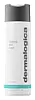
This salicylic acid gel cleanser is formulated around Salicylic Acid to clear breakouts and unclog pores.
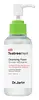
This salicylic acid foaming cleanser is formulated around Salicylic Acid to clear breakouts and unclog pores.


What's inside
What's inside
 Key Ingredients
Benefits
Concerns
Ingredients Side-by-side
Salicylic Acid 0.5%
Masking










Water
Skin ConditioningGlycerin
Humectant


Sodium Laurylglucosides Hydroxypropylsulfonate
CleansingSodium Methyl Cocoyl Taurate
Cleansing
Cocamidopropyl Betaine
Cleansing
Hydroxypropyl Bis-Hydroxyethyldimonium Chloride
HumectantPEG-120 Methyl Glucose Dioleate
Emulsifying
Butylene Glycol
Humectant
Sodium PCA
Humectant
Phytic Acid
Chelating

Butyrospermum Parkii Butter
Skin Conditioning

Fucus Vesiculosus Extract
Emollient
Curcuma Longa Root Extract
Antioxidant

Aloe Barbadensis Flower Extract
EmollientAllium Sativum Bulb Extract
Skin ConditioningLaminaria Ochroleuca Extract
Skin Conditioning
Passiflora Incarnata Extract
AstringentSalvia Officinalis Leaf Extract
CleansingCamphor
Masking
Menthol
Masking
Eucalyptus Globulus Leaf Extract
Perfuming
Hamamelis Virginiana Leaf Extract
Skin Conditioning
Solanum Melongena Fruit Extract
Skin ConditioningCocamidopropyl Dimethylamine
Emulsifying
Sodium Methyl Oleoyl Taurate
CleansingDipotassium Glycyrrhizate
Humectant
Tetrasodium Glutamate Diacetate
ChelatingPolysorbate 80
Emulsifying
Melaleuca Alternifolia Leaf Oil
Antioxidant

Melia Azadirachta Leaf Extract
Skin ConditioningMelia Azadirachta Flower Extract
Skin ConditioningCorallina Officinalis Extract
Skin Conditioning
Melissa Officinalis Flower/Leaf/Stem Extract
SoothingCoccinia Indica Fruit Extract
Skin Conditioning
Angelica Archangelica Extract
Skin ConditioningChamomilla Recutita Flower Extract
Masking
Citrus Limon Fruit Extract
Masking
Echinacea Angustifolia Leaf Extract
MoisturisingEthylhexylglycerin
Skin ConditioningOcimum Basilicum Flower/Leaf Extract
TonicOcimum Sanctum Leaf Extract
Skin ConditioningAnthemis Nobilis Flower Extract
Masking
Ascorbic Acid
Antioxidant

Camellia Sinensis Leaf Extract
Antimicrobial
Maltodextrin
Absorbent
Silica
Abrasive
Palmitic Acid
Emollient
Zinc PCA
Humectant
Kaolin
Abrasive
Palmitoyl Tripeptide-5
Skin Conditioning
Aminomethyl Propanol
BufferingSodium Chloride
MaskingSodium Hydroxide
BufferingBenzyl PCA
HumectantPhenoxyethanol
Preservative
Salicylic Acid 0.5%, Water, Glycerin, Sodium Laurylglucosides Hydroxypropylsulfonate, Sodium Methyl Cocoyl Taurate, Cocamidopropyl Betaine, Hydroxypropyl Bis-Hydroxyethyldimonium Chloride, PEG-120 Methyl Glucose Dioleate, Butylene Glycol, Sodium PCA, Phytic Acid, Butyrospermum Parkii Butter, Fucus Vesiculosus Extract, Curcuma Longa Root Extract, Aloe Barbadensis Flower Extract, Allium Sativum Bulb Extract, Laminaria Ochroleuca Extract, Passiflora Incarnata Extract, Salvia Officinalis Leaf Extract, Camphor, Menthol, Eucalyptus Globulus Leaf Extract, Hamamelis Virginiana Leaf Extract, Solanum Melongena Fruit Extract, Cocamidopropyl Dimethylamine, Sodium Methyl Oleoyl Taurate, Dipotassium Glycyrrhizate, Tetrasodium Glutamate Diacetate, Polysorbate 80, Melaleuca Alternifolia Leaf Oil, Melia Azadirachta Leaf Extract, Melia Azadirachta Flower Extract, Corallina Officinalis Extract, Melissa Officinalis Flower/Leaf/Stem Extract, Coccinia Indica Fruit Extract, Angelica Archangelica Extract, Chamomilla Recutita Flower Extract, Citrus Limon Fruit Extract, Echinacea Angustifolia Leaf Extract, Ethylhexylglycerin, Ocimum Basilicum Flower/Leaf Extract, Ocimum Sanctum Leaf Extract, Anthemis Nobilis Flower Extract, Ascorbic Acid, Camellia Sinensis Leaf Extract, Maltodextrin, Silica, Palmitic Acid, Zinc PCA, Kaolin, Palmitoyl Tripeptide-5, Aminomethyl Propanol, Sodium Chloride, Sodium Hydroxide, Benzyl PCA, Phenoxyethanol
Melaleuca Alternifolia Leaf Extract
Perfuming
Water
Skin ConditioningDisodium Laureth Sulfosuccinate
CleansingSodium Cocoyl Glutamate
Cleansing
Methylpropanediol
Solvent1,2-Hexanediol
Skin Conditioning
Acrylates/C10-30 Alkyl Acrylate Crosspolymer
Emulsion StabilisingSalicylic Acid
Masking
Melaleuca Alternifolia Leaf Oil
Antioxidant
Centella Asiatica Extract
Cleansing
Ficus Carica Fruit Extract
Humectant
Polyglyceryl-10 Laurate
Skin Conditioning
Anthemis Nobilis Flower Extract
Masking
Camellia Sinensis Leaf Extract
Antimicrobial
Glycyrrhiza Glabra Rhizome/Root
EmollientAmaranthus Caudatus Seed Extract
Skin Conditioning
Ulmus Davidiana Root Extract
Skin Conditioning
Hamamelis Virginiana Extract
Antiseborrhoeic
Undaria Pinnatifida Extract
Skin ConditioningGloiopeltis Furcata Extract
Skin ConditioningAloe Barbadensis Leaf Extract
Emollient
Cinnamomum Zeylanicum Bark Extract
Antimicrobial
Pinus Pinaster Bark Extract
Antioxidant
Butylene Glycol
Humectant
Disodium EDTA
ChelatingHydrogenated Lecithin
Emulsifying
Ceramide NP
Skin Conditioning
Allantoin
Skin Conditioning
Niacinamide
Smoothing
Silica
Abrasive
Capryloyl Glycine
CleansingHexylene Glycol
EmulsifyingCamphor
Masking
Sarcosine
Skin Conditioning
4-Terpineol
Masking
Methyl Methacrylate Crosspolymer
Melaleuca Alternifolia Leaf Extract, Water, Disodium Laureth Sulfosuccinate, Sodium Cocoyl Glutamate, Methylpropanediol, 1,2-Hexanediol, Acrylates/C10-30 Alkyl Acrylate Crosspolymer, Salicylic Acid, Melaleuca Alternifolia Leaf Oil, Centella Asiatica Extract, Ficus Carica Fruit Extract, Polyglyceryl-10 Laurate, Anthemis Nobilis Flower Extract, Camellia Sinensis Leaf Extract, Glycyrrhiza Glabra Rhizome/Root, Amaranthus Caudatus Seed Extract, Ulmus Davidiana Root Extract, Hamamelis Virginiana Extract, Undaria Pinnatifida Extract, Gloiopeltis Furcata Extract, Aloe Barbadensis Leaf Extract, Cinnamomum Zeylanicum Bark Extract, Pinus Pinaster Bark Extract, Butylene Glycol, Disodium EDTA, Hydrogenated Lecithin, Ceramide NP, Allantoin, Niacinamide, Silica, Capryloyl Glycine, Hexylene Glycol, Camphor, Sarcosine, 4-Terpineol, Methyl Methacrylate Crosspolymer
Reviews
Ingredients Explained
These ingredients are found in both products.
Ingredients higher up in an ingredient list are typically present in a larger amount.
Anthemis Nobilis Flower Extract is from the Roman Chamomile flower. It helps soothe the skin and contains antioxidants.
Butylene Glycol (or BG) is used within cosmetic products for a few different reasons:
Overall, Butylene Glycol is a safe and well-rounded ingredient that works well with other ingredients.
Though this ingredient works well with most skin types, some people with sensitive skin may experience a reaction such as allergic rashes, closed comedones, or itchiness.
Learn more about Butylene GlycolCamellia Sinensis Leaf Extract (tea extract) is one of the most well-researched plant extracts in skincare with an impressive resume.
Black tea, green tea, and oolong tea are all harvested from the Camellia Sinensis plant.
Studies show green tea extract and its catechins (like epigallocatechin gallate (EGCG)) help your skin cells product energy more efficiently and reducing the number of free-radicals that can damage your skin from the inside.
In lab-grown skin models, this translated to younger, healthier, and stronger skin.
There's also good sun protection data; researchers saw less DNA damage and redness on human skin when green tea was applied before UVB exposure. And the more they applied, the better the protection.
Needless to say, this ingredient shouldn't replace your sunscreen. But it is a great supportive ingredient that you can already find in many sunscreens and antioxidant serums.
A 2009 study found a 2% green tea lotion was effective for mild-to-moderate acne thanks to its anti-inflammatory and mild antimicrobial activity.
The quality of the extract matters a lot here:
Good extracts contain 50-90% catechins while lower quality ones are mostly there for marketing. We recommend reaching out to the brand if you have questions about the quality or source of their ingredients.
Human Repeated Insult Patch Testing showed no irritation or sensitization at use concentrations (0.86% in leave-on products and up to 30% as leaf water).
Learn more about Camellia Sinensis Leaf ExtractCamphor is a waxy solid with a strong scent. It is made using turpentine oil.
This ingredient is used for medicinal purposes due to its cooling effect. In medicine, camphor is a common anti-inflammation ingredient.
Camphor also possesses antibacterial and antifungal properties.
One study found camphor to be a potential anti-wrinkle ingredient. This might be due to its ability to increase elastin and collagen production. Collagen and elastin are responsible for plump and youthful looking skin.
It is best to use cosmetics with a small amount of camphor under 11%. Using topical camphor may induce irritation and redness.
In the past, camphor was traditionally made by distilling the wood of the camphor tree.
Learn more about CamphorThis ingredient is also known as tea tree oil. It has antioxidant, anti-inflammatory, and antimicrobial properties.
Tea tree oil is a complex lipophilic (fat-loving) oil that contains around 100 compounds with terpinen-4-ol being the most abundant (~40%).
Terpinen-4-ol is responsible for tea tree oil's broad-spectrum antimicrobial activity and makes it a well-researched option for acne.
Clinical studies support 5% tea tree oil as an effective topical treatment for mild to moderate acne. A study with 124 patients compared 5% tea tree oil gel to 5% benzoyl peroxide and both reduced acne (though tea tree oil worked more slowly).
Besides acne, it is also seen in anti-dandruff shampoos and scalp treatments for it's antimicrobial and anti-seborrheic properties.
Safety-wise, the allergic potential of low concentrations on healthy skin is considered low. However, oxidized (old or improperly stored) tea tree oil is a stronger sensitizer.
Irritation can also occur if using the undiluted oil on skin; it's best to use this ingredient as part of a carefully crafted cosmetic formula. This is because regulations require tea tree oil in cosmetics to be stabilized to prevent degradation.
This ingredient has been deemed safe up to 2% in shampoo, 1% in cleansers, and 0.1% in face cream by the EU's Scientific Committee on Consumer Safety (SCCS).
There is some lab evidence that tea tree oil is antifungal against Malassezia, but it is a supportive option at best and not a replacement for proven antifungal treatments.
Learn more about Melaleuca Alternifolia Leaf OilSalicylic Acid (also known as beta hydroxy acid or BHA) is a well-known ingredient for treating skin that struggles with acne and clogged pores. It exfoliates both the skin's surface and deep within the pores to help clear out buildup, control oil, and reduce inflammation.
Unlike AHAs (alpha hydroxy acids), salicylic acid is oil-soluble. This allows it to penetrate into pores which makes it especially effective for treating blackheads and preventing future breakouts.
Salicylic acid is also known for its soothing properties. It has a similar structure to aspirin and can calm inflamed or irritated skin, making it a good option for acne-prone skin that is also sensitive.
Concentrations of 0.5-2% are recognized by the U.S. FDA as an over-the-counter topical acne product.
It can cause irritation and/or dryness if one's skin already has a compromised moisture barrier, so it's best to focus on repairing that before introducing this ingredient into your routine.
While salicylic acid does not increase sun sensitivity, it’s still important to wear sunscreen daily to protect your skin.
If you are looking for the ingredient called BHA or Butylated Hydroxyanisole, click here.
Learn more about Salicylic AcidSilica, also known as silicon dioxide, is a naturally occurring mineral. It is used as a fine, spherical, and porous powder in cosmetics.
Though it has exfoliant properties, the function of silica varies depending on the product.
The unique structure of silica enhances the spreadability and adds smoothness, making it a great texture enhancer.
It is also used as an active carrier, emulsifier, and mattifier due to its ability to absorb excess oil.
In some products, tiny microneedles called spicules are made from silica or hydrolyzed sponge. When you rub them in, they lightly polish away dead skin layers and enhance the penetration of active ingredients.
Learn more about SilicaWater. It's the most common cosmetic ingredient of all. You'll usually see it at the top of ingredient lists, meaning that it makes up the largest part of the product.
So why is it so popular? Water most often acts as a solvent - this means that it helps dissolve other ingredients into the formulation.
You'll also recognize water as that liquid we all need to stay alive. If you see this, drink a glass of water. Remember to stay hydrated!
Learn more about Water

