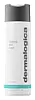
This salicylic acid gel cleanser is formulated around Salicylic Acid to clear breakouts and unclog pores.
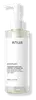
This oil-based makeup remover is made to dissolve makeup, sunscreen, and daily buildup.


What's inside
What's inside
 Key Ingredients
Benefits
Concerns
Ingredients Side-by-side
Salicylic Acid 0.5%
Masking










Water
Skin ConditioningGlycerin
Humectant


Sodium Laurylglucosides Hydroxypropylsulfonate
CleansingSodium Methyl Cocoyl Taurate
Cleansing
Cocamidopropyl Betaine
Cleansing
Hydroxypropyl Bis-Hydroxyethyldimonium Chloride
HumectantPEG-120 Methyl Glucose Dioleate
Emulsifying
Butylene Glycol
Humectant
Sodium PCA
Humectant
Phytic Acid
Chelating

Butyrospermum Parkii Butter
Skin Conditioning

Fucus Vesiculosus Extract
Emollient
Curcuma Longa Root Extract
Antioxidant

Aloe Barbadensis Flower Extract
EmollientAllium Sativum Bulb Extract
Skin ConditioningLaminaria Ochroleuca Extract
Skin Conditioning
Passiflora Incarnata Extract
AstringentSalvia Officinalis Leaf Extract
CleansingCamphor
Masking
Menthol
Masking
Eucalyptus Globulus Leaf Extract
Perfuming
Hamamelis Virginiana Leaf Extract
Skin Conditioning
Solanum Melongena Fruit Extract
Skin ConditioningCocamidopropyl Dimethylamine
Emulsifying
Sodium Methyl Oleoyl Taurate
CleansingDipotassium Glycyrrhizate
Humectant
Tetrasodium Glutamate Diacetate
ChelatingPolysorbate 80
Emulsifying
Melaleuca Alternifolia Leaf Oil
Antioxidant

Melia Azadirachta Leaf Extract
Skin ConditioningMelia Azadirachta Flower Extract
Skin ConditioningCorallina Officinalis Extract
Skin Conditioning
Melissa Officinalis Flower/Leaf/Stem Extract
SoothingCoccinia Indica Fruit Extract
Skin Conditioning
Angelica Archangelica Extract
Skin ConditioningChamomilla Recutita Flower Extract
Masking
Citrus Limon Fruit Extract
Masking
Echinacea Angustifolia Leaf Extract
MoisturisingEthylhexylglycerin
Skin ConditioningOcimum Basilicum Flower/Leaf Extract
TonicOcimum Sanctum Leaf Extract
Skin ConditioningAnthemis Nobilis Flower Extract
Masking
Ascorbic Acid
Antioxidant

Camellia Sinensis Leaf Extract
Antimicrobial
Maltodextrin
Absorbent
Silica
Abrasive
Palmitic Acid
Emollient
Zinc PCA
Humectant
Kaolin
Abrasive
Palmitoyl Tripeptide-5
Skin Conditioning
Aminomethyl Propanol
BufferingSodium Chloride
MaskingSodium Hydroxide
BufferingBenzyl PCA
HumectantPhenoxyethanol
Preservative
Salicylic Acid 0.5%, Water, Glycerin, Sodium Laurylglucosides Hydroxypropylsulfonate, Sodium Methyl Cocoyl Taurate, Cocamidopropyl Betaine, Hydroxypropyl Bis-Hydroxyethyldimonium Chloride, PEG-120 Methyl Glucose Dioleate, Butylene Glycol, Sodium PCA, Phytic Acid, Butyrospermum Parkii Butter, Fucus Vesiculosus Extract, Curcuma Longa Root Extract, Aloe Barbadensis Flower Extract, Allium Sativum Bulb Extract, Laminaria Ochroleuca Extract, Passiflora Incarnata Extract, Salvia Officinalis Leaf Extract, Camphor, Menthol, Eucalyptus Globulus Leaf Extract, Hamamelis Virginiana Leaf Extract, Solanum Melongena Fruit Extract, Cocamidopropyl Dimethylamine, Sodium Methyl Oleoyl Taurate, Dipotassium Glycyrrhizate, Tetrasodium Glutamate Diacetate, Polysorbate 80, Melaleuca Alternifolia Leaf Oil, Melia Azadirachta Leaf Extract, Melia Azadirachta Flower Extract, Corallina Officinalis Extract, Melissa Officinalis Flower/Leaf/Stem Extract, Coccinia Indica Fruit Extract, Angelica Archangelica Extract, Chamomilla Recutita Flower Extract, Citrus Limon Fruit Extract, Echinacea Angustifolia Leaf Extract, Ethylhexylglycerin, Ocimum Basilicum Flower/Leaf Extract, Ocimum Sanctum Leaf Extract, Anthemis Nobilis Flower Extract, Ascorbic Acid, Camellia Sinensis Leaf Extract, Maltodextrin, Silica, Palmitic Acid, Zinc PCA, Kaolin, Palmitoyl Tripeptide-5, Aminomethyl Propanol, Sodium Chloride, Sodium Hydroxide, Benzyl PCA, Phenoxyethanol
Ethylhexyl Palmitate
Emollient
Sorbeth-30 Tetraoleate
Emulsifying
Sorbitan Sesquioleate
Emulsifying
Caprylic/Capric Triglyceride
Masking
Butyl Avocadate
Skin Conditioning
Parfum
Masking
Helianthus Annuus Seed Oil
Emollient
Macadamia Ternifolia Seed Oil
Emollient
Olea Europaea Fruit Oil
Masking
Simmondsia Chinensis Seed Oil
Emollient
Vitis Vinifera Seed Oil
Emollient
Caprylyl Glycol
Emollient
Ethylhexylglycerin
Skin ConditioningCurcuma Longa Root Extract
Antioxidant
Melia Azadirachta Flower Extract
Skin ConditioningTocopherol
Antioxidant
Melia Azadirachta Leaf Extract
Skin ConditioningHouttuynia Cordata Extract
Skin Conditioning
Corallina Officinalis Extract
Skin Conditioning
Melia Azadirachta Bark Extract
AntimicrobialMoringa Oleifera Seed Oil
Emollient
Ocimum Sanctum Leaf Extract
Skin ConditioningEthylhexyl Palmitate, Sorbeth-30 Tetraoleate, Sorbitan Sesquioleate, Caprylic/Capric Triglyceride, Butyl Avocadate, Parfum, Helianthus Annuus Seed Oil, Macadamia Ternifolia Seed Oil, Olea Europaea Fruit Oil, Simmondsia Chinensis Seed Oil, Vitis Vinifera Seed Oil, Caprylyl Glycol, Ethylhexylglycerin, Curcuma Longa Root Extract, Melia Azadirachta Flower Extract, Tocopherol, Melia Azadirachta Leaf Extract, Houttuynia Cordata Extract, Corallina Officinalis Extract, Melia Azadirachta Bark Extract, Moringa Oleifera Seed Oil, Ocimum Sanctum Leaf Extract
Reviews
Ingredients Explained
These ingredients are found in both products.
Ingredients higher up in an ingredient list are typically present in a larger amount.
Corallina Officinalis Extract comes from the small red seaweed that grows on rocky coastlines that feels stiff to the touch because it builds calcium carbonate right into its cell walls.
That mineral content is basically its whole selling point: the extract brings calcium, magnesium, and trace minerals along with sugars (polysaccharides) and proteins. This is why formulators use it as a skin-conditioning and hydrating ingredient.
Lab testing does back up decent antioxidant activity for this species. A study comparing twelve red seaweeds found Corallina Officinalis stood out for its free-radical scavenging capacity. And a separate study found meaningful radical scavenging plus antibacterial activity from the raw biomass.
It's worth being clear that most of this is test-tube work on raw-algae and not a clinical trial on a finished cream.
On concentration, a 2020 industry survey found it's used at up to 2% in makeup and skincare. Safety-wise, it's as boring as it gets: the Cosmetic Ingredient Review Expert Panel concluded this ingredient (along with the powder, Thallus Extract, and Hydrolyzed versions) to be safe as used in cosmetics and cited negative sensitization data.
There's no meaningful record of it causing allergic contact dermatitis, but be sure to patch test if you are unsure.
You'll see algae/seaweed listed as a 5/5 on a lot of pore-clogging charts and that number doesn't come from anywhere; it's not in the original rabbit-ear studies that most comedogenic ratings trace back to.
The reasoning behind the reputation is that seaweed is high in iodine and iodine can trigger acne-like breakouts when eaten. This traces back to a 1976 letter in Archives of Dermatology describing two women whose breakouts cleared after they stopped taking high-dose kelp supplements orally.
And the reaction of these two women wasn't clogged pores at all: it was an iodine-triggered pustular rash. Later research found normal dietary iodine doesn't meaningfully affect acne either and nobody has shown topical seaweed delivers enough iodine to matter.
What we do have is dozens of brown and red algae ingredients found to be non-irritating and non-sensitizing, and a handful of studies that found algae compounds may actually help acne.
However, plenty of people do report breaking out from algae-containing products. Skin is individual and it's worth avoiding if yours has reacted to algae before.
Learn more about Corallina Officinalis ExtractCurcuma Longa Root Extract comes from the rhizome (underground stem) of the turmeric plant.
While the official EU Cosing Database lists this ingredient as a fragrance, it actually does more than give products a scent.
This ingredient contains a group of yellow pigments called curcuminoids (mostly curcumin) that give it genuine antioxidant and anti-inflammatory activity in skin.
Reviews of topical clinical studies have found turmeric/curcumin to be generally well-tolerated and useful across conditions like eczema and mild inflammation.
One thing working in its favor is that curcumin barely penetrates; in lab skin-permeation testing, the curcuminoids mostly stayed in the outermost layer of skin. This is a good thing because its soothing and antioxidant activity is a surface-level job anyway.
At this time, industry data shows there's no single "correct" cosmetic percentage. It's used across a wide range depending on the product and varies from tiny fractions of a percent up to a few percent.
Allergy-wise, curcumin is a documented (but uncommon) contact allergen. It can also cross react with related plants, so anyone with a turmeric/ginger/cinnamon allergy or reactive skin should patch test first.
Learn more about Curcuma Longa Root ExtractEthylhexylglycerin is created from glycerin. It is a multitasker ingredient that:
The CIR Expert Panel found minimal skin absorption or sensitization of any kind in a safety assessment. Though this ingredient is considered well-tolerated, a small number of cases of allergic dermatitis have been published since 2002. Just be sure to patch test if you are unsure.
Industry-reported use ranges from 8% in rinse-off products and 2% in leave-on formulations.
Learn more about EthylhexylglycerinMelia Azadirachta Flower Extract is from the Neem tree. Neem trees originate from India.
Melia Azadirachta Flower Extract contains antioxidants. Antioxidants help fight free-radicals. Free-radicals are molecules that may damage your skin cells, such as pollution.
The flowers of this tree are lilac colored.
Learn more about Melia Azadirachta Flower ExtractThis ingredient is also known as neem leaf extract. It contains natural compounds like nimbidin, quercetin, and other polyphenols that give it antibacterial, antifungal, and anti-inflammatory activity.
Lab studies have shown neem leaf extract can inhibit acne-related bacteria and help calm skin. Animal studies on wound gels using 1-3% neem leaf extract found it sped up healing without causing irritation.
A wound-healing study testing gels with the extract at 1%, 2%, and 3% concentrations and found none of them irritated the skin.
Most commercial products also use it in a similar low range (typically under 5%).
Allergy-wise, there are some case reports on neem oil causing allergic contact dermatitis so people with plant/botanical sensitivities may want to patch test first.
Learn more about Melia Azadirachta Leaf ExtractOcimum Sanctum Leaf Extract comes from the Holy Basil plant. Holy Basil is native to India.
Holy Basil is rich in antioxidants due to its high romarinic acid, ferulic acid, and rutin content. This gives it skin brightening and soothing properties.
While Holy Basil has many claims to help fight acne, more research is needed.
One thing to note is the presence of tannins; tannins are naturally found in nature. However, this compound may be skin-sensitizing.
Learn more about Ocimum Sanctum Leaf Extract

