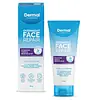
This barrier-repair night moisturizer is formulated around Urea and Linoleic Acid to strengthen the skin barrier and hydrate skin.
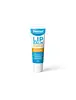
This barrier-repair lip moisturizer is formulated around Petrolatum and Urea to strengthen the lip barrier and hydrate lips.

What's inside
What's inside
 Key Ingredients
Benefits
Concerns
Ingredients Side-by-side
Water
Skin ConditioningCaprylic/Capric Triglyceride
Masking


Glycerin
Humectant
Cetearyl Alcohol
Emollient





Urea
Buffering

Bis-Diglyceryl Polyacyladipate-2
Emollient
Simmondsia Chinensis Seed Oil
Emollient
Dimethicone
Emollient
Linoleic Acid
Cleansing

Linolenic Acid
Cleansing

Sodium PCA
Humectant
Panthenol
Skin Conditioning
Hydrolyzed Collagen
Emollient
Sodium Hyaluronate
Humectant
Tocopheryl Acetate
Antioxidant


Ascorbyl Tetraisopalmitate
Antioxidant
Squalane
Emollient
Ceramide NP
Skin Conditioning
Ceramide AP
Skin Conditioning
Ceramide EOP
Skin Conditioning
Hexapeptide-9
Skin Conditioning
Palmitoyl Tripeptide-5
Skin Conditioning
Phytosphingosine
Skin Conditioning
Ceteareth-20
Cleansing
Sodium Lactate
Buffering
Carbomer
Emulsion StabilisingEthylhexylglycerin
Skin ConditioningParfum
Masking
Xanthan Gum
EmulsifyingDisodium EDTA
ChelatingSodium Lauroyl Lactylate
EmulsifyingCholesterol
Emollient
Phenoxyethanol
Preservative
Hydroxyacetophenone
Antioxidant
Benzyl Alcohol
Perfuming

Potassium Sorbate
Preservative
Sodium Benzoate
Masking
Benzyl Salicylate
Perfuming
Citronellol
Perfuming
Geraniol
Perfuming
Linalool
Perfuming
Water, Caprylic/Capric Triglyceride, Glycerin, Cetearyl Alcohol, Urea, Bis-Diglyceryl Polyacyladipate-2, Simmondsia Chinensis Seed Oil, Dimethicone, Linoleic Acid, Linolenic Acid, Sodium PCA, Panthenol, Hydrolyzed Collagen, Sodium Hyaluronate, Tocopheryl Acetate, Ascorbyl Tetraisopalmitate, Squalane, Ceramide NP, Ceramide AP, Ceramide EOP, Hexapeptide-9, Palmitoyl Tripeptide-5, Phytosphingosine, Ceteareth-20, Sodium Lactate, Carbomer, Ethylhexylglycerin, Parfum, Xanthan Gum, Disodium EDTA, Sodium Lauroyl Lactylate, Cholesterol, Phenoxyethanol, Hydroxyacetophenone, Benzyl Alcohol, Potassium Sorbate, Sodium Benzoate, Benzyl Salicylate, Citronellol, Geraniol, Linalool
Petrolatum
Emollient
Water
Skin ConditioningTheobroma Cacao Seed Butter
Emollient
Lanolin
Emollient
Carica Papaya Fruit
Skin ConditioningBehenyl Alcohol
Emollient
Glyceryl Stearate
Emollient
Stearic Acid
Cleansing
Urea
Buffering
Cetyl Esters
Emollient
Carica Papaya Seed Oil
Humectant
Cetyl Alcohol
Emollient
Lauryl Alcohol
Emollient
Myristyl Alcohol
Emollient
Palmitic Acid
Emollient
Lecithin
Emollient
Aroma
Rebaudioside A
Skin ConditioningPotassium Sorbate
Preservative
Sodium Benzoate
Masking
Petrolatum, Water, Theobroma Cacao Seed Butter, Lanolin, Carica Papaya Fruit, Behenyl Alcohol, Glyceryl Stearate, Stearic Acid, Urea, Cetyl Esters, Carica Papaya Seed Oil, Cetyl Alcohol, Lauryl Alcohol, Myristyl Alcohol, Palmitic Acid, Lecithin, Aroma, Rebaudioside A, Potassium Sorbate, Sodium Benzoate
Reviews
Ingredients Explained
These ingredients are found in both products.
Ingredients higher up in an ingredient list are typically present in a larger amount.
Potassium Sorbate is a preservative used to prevent yeast and mold in products. It is commonly found in both cosmetic and food products.
This ingredient comes from potassium salt derived from sorbic acid. Sorbic acid is a natural antibiotic and effective against fungus.
Both potassium sorbate and sorbic acid can be found in baked goods, cheeses, dried meats, dried fruit, ice cream, pickles, wine, yogurt, and more.
You'll often find this ingredient used with other preservatives.
Learn more about Potassium SorbateSodium Benzoate is a preservative. It's used in both cosmetic and food products to inhibit the growth of mold and bacteria. It is typically produced synthetically.
Both the US FDA and EU Health Committee have approved the use of sodium benzoate. In the US, levels of 0.1% (of the total product) are allowed.
Sodium benzoate works as a preservative by inhibiting the growth of bacteria inside of cells. It prevents the cell from fermenting a type of sugar using an enzyme called phosphofructokinase.
It is the salt of benzoic acid. Foods containing sodium benzoate include soda, salad dressings, condiments, fruit juices, wines, and snack foods.
Studies for using ascorbic acid and sodium benzoate in cosmetics are lacking, especially in skincare routines with multiple steps.
We always recommend speaking with a professional, such as a dermatologist, if you have any concerns.
Learn more about Sodium BenzoateUrea is also called carbamide and is the diamide of carbonic acid. In cosmetics, urea is used to hydrate the skin. It also provides exfoliation in higher concentrations.
As a humectant, urea helps draw moisture from the air and from deep within the skin. This helps hydrate your skin. Studies show urea is an effective moisturizer for dry skin conditions. 40% urea is typical in medications for treating eczema and other skin conditions.
Urea has the strongest exfoliation effect in concentrations higher than 10%. It is a keratolytic agent, meaning it breaks down the keratin protein in the top layer of skin. This helps remove dead skin cells and flaking skin.
In medicine, urea has been shown to help increase the potency of other ingredients, such as fungal treatments.
Humans and animals use urea to metabolize nitrogen-containing compounds. Urea is highly soluble in water. Once dissolved, it is neither acidic nor alkaline.
Urea is actually one of the more well-studied and well-supported ingredients out there if you have eczema.
Clinical trials have shown that urea creams in the 5 - 10% range can:
Higher concentrations (20 -30%) can also help with thickened, scaly patches but is also more likely to sting on active flares.
Skip urea if you have rosacea. The AAD (American Academy of Dermatology) lists it alongside alcohol, menthol, and fragrance as a potential irritant for rosacea-prone skin. Urea's keratolytic and penetration-enhancing properties can trigger stinging, burning, and redness.
As always, your skin is unique, so definitely check in with your dermatologist.
Learn more about UreaWater. It's the most common cosmetic ingredient of all. You'll usually see it at the top of ingredient lists, meaning that it makes up the largest part of the product.
So why is it so popular? Water most often acts as a solvent - this means that it helps dissolve other ingredients into the formulation.
You'll also recognize water as that liquid we all need to stay alive. If you see this, drink a glass of water. Remember to stay hydrated!
Learn more about Water

