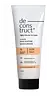
This calming moisturizer is formulated around Centella Asiatica Extract and Bisabolol to calm redness and strengthen the skin barrier.
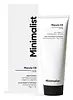
This moisturizer is formulated around Sclerocarya Birrea Seed Oil to hydrate skin.

What's inside
What's inside
 Key Ingredients
Benefits
Concerns
Ingredients Side-by-side
Water
Skin ConditioningButyrospermum Parkii Butter
Skin Conditioning






Caprylic/Capric Triglyceride
Masking
Centella Asiatica Extract
Cleansing




Isopropyl Myristate
Emollient
Cetearyl Alcohol
Emollient
Glyceryl Stearate
Emollient
Bisabolol
Antioxidant
Arginine
Masking
Stearic Acid
Cleansing
Ceramide NP
Skin Conditioning
Ceramide AP
Skin Conditioning
Phytosphingosine
Skin Conditioning
Cholesterol
Emollient
Glycine Soja Hull
Abrasive
Ceramide EOP
Skin Conditioning
Propylene Glycol
Humectant
Sodium Polyacrylate
Absorbent
Triethanolamine
BufferingSodium Gluconate
Skin ConditioningPhenoxyethanol
Preservative
Ethylhexylglycerin
Skin ConditioningXanthan Gum
EmulsifyingCarbomer
Emulsion StabilisingSodium Lauroyl Lactylate
EmulsifyingSodium Benzoate
Masking
Water, Butyrospermum Parkii Butter, Caprylic/Capric Triglyceride, Centella Asiatica Extract, Isopropyl Myristate, Cetearyl Alcohol, Glyceryl Stearate, Bisabolol, Arginine, Stearic Acid, Ceramide NP, Ceramide AP, Phytosphingosine, Cholesterol, Glycine Soja Hull, Ceramide EOP, Propylene Glycol, Sodium Polyacrylate, Triethanolamine, Sodium Gluconate, Phenoxyethanol, Ethylhexylglycerin, Xanthan Gum, Carbomer, Sodium Lauroyl Lactylate, Sodium Benzoate
Water
Skin ConditioningSclerocarya Birrea Seed Oil
Humectant
Glycerin
Humectant
Methylpropanediol
SolventDicaprylyl Carbonate
EmollientCaprylic/Capric Triglyceride
Masking
Cetearyl Alcohol
Emollient
Butylene Glycol
Humectant
Petrolatum
Emollient
Glyceryl Stearate
Emollient
PEG-100 Stearate
Surfactant
Saccharide Isomerate
Humectant
Trehalose
Humectant
Tocopheryl Acetate
Antioxidant

Pentylene Glycol
Skin Conditioning
Linoleic Acid
Cleansing
Linolenic Acid
Cleansing

Cetyl Alcohol
Emollient
Coco-Caprylate/Caprate
Emollient
Triheptanoin
Skin ConditioningSodium Hyaluronate
Humectant
Hydroxyethyl Acrylate/Sodium Acryloyldimethyl Taurate Copolymer
Emulsion StabilisingPolyisobutene
Phenoxyethanol
Preservative
C9-12 Alkane
SolventAllantoin
Skin Conditioning
Polyurethane-10
PEG-7 Trimethylolpropane Coconut Ether
Emulsifying
Carbomer
Emulsion StabilisingTrisodium Ethylenediamine Disuccinate
Triethanolamine
BufferingEthylhexylglycerin
Skin ConditioningWater, Sclerocarya Birrea Seed Oil, Glycerin, Methylpropanediol, Dicaprylyl Carbonate, Caprylic/Capric Triglyceride, Cetearyl Alcohol, Butylene Glycol, Petrolatum, Glyceryl Stearate, PEG-100 Stearate, Saccharide Isomerate, Trehalose, Tocopheryl Acetate, Pentylene Glycol, Linoleic Acid, Linolenic Acid, Cetyl Alcohol, Coco-Caprylate/Caprate, Triheptanoin, Sodium Hyaluronate, Hydroxyethyl Acrylate/Sodium Acryloyldimethyl Taurate Copolymer, Polyisobutene, Phenoxyethanol, C9-12 Alkane, Allantoin, Polyurethane-10, PEG-7 Trimethylolpropane Coconut Ether, Carbomer, Trisodium Ethylenediamine Disuccinate, Triethanolamine, Ethylhexylglycerin
Reviews
Ingredients Explained
These ingredients are found in both products.
Ingredients higher up in an ingredient list are typically present in a larger amount.
Caprylic/Capric Triglyceride (aka MCT Oil) is a lightweight emollient, solvent, and texture enhancer. It is considered a skin-softener by helping to prevent moisture loss.
Though it behaves like an oil, it is not technically one due to its chemical composition. One perk of this ingredient is that it is very stable, resistant to oxidation, and unlikely to go rancid.
In practice, that translates to a long shelf life and a consistently elegant skin feel.
While there is an assumption Caprylic Triglyceride can clog pores due to it being derived from coconut oil, there is no research supporting this. Just patch test if you have concerns.
Fractionated coconut oil and MCT Oil are both listed as Caprylic/Capric Triglyceride according to INCI. This is because INCI names are based on the ingredient’s final chemical composition and not its marketing name or source.
This ingredient is treated as the gold standard fungal acne safe oil. Even though it is coconut derived, the problematic lauric acid is stripped out.
This leaves just caprylic (C8) and capric (C10) acid. These chain lengths actually trend antifungal; a 2020 study found caprylic acid was enough to disrupt Malassezia furfur cell membrane, with a caprylic acid derivative damaging membrane structures at concentrations as low as 0.2%.
Learn more about Caprylic/Capric TriglycerideCarbomer is a synthetic thickening and gelling agent. It's basically the ingredient that gives a lot of serums, gels, creams, and sunscreens their smooth, non-sticky texture.
Although legally permitted at very high levels, carbomers are normally used at concentrations below 1%.
It also needs to be neutralized to actually thicken, and because it is a large molecule, it doesn't really penetrate the skin barrier.
Allergy-wise, the risk is very low. Clinical studies show carbomers have low potential for skin irritation/sensitization even at concentrations up to 100%.
A 2024 UK study patch-tested 1,302 patients and found true allergy to the parent group of carbomer to be rare with no confirmed relevant reactions.
Learn more about CarbomerCetearyl alcohol is a waxy mixture of two fatty alcohols: cetyl alcohol and stearyl alcohol. It is an emollient and emulsifier.
Despite having "alcohol" in its name, it has nothing to do with drying solvent alcohols; the FDA also allows "alcohol-free" products to contain fatty alcohols like this ingredient.
It plays several roles in a formula:
Typical use levels for this ingredient sit around 1-10% and the Cosmetic Ingredient Review Expert Panel has affirmed safety at concentrations up to 25% in leave-on products.
Multiple assessments have found it to be non-irritating and non-sensitizing to most people.
However, there have been some cases of allergic contact dermatitis in patients with chronically compromised skin barriers.
Cetearyl alcohol has a comedogenic rating of 2 and irritancy rating of 1. Both of these numbers come from the 1989 study that used rabbit ears; a "2" means mildly comedogenic and a "1" means low irritancy.
Here's the catch: rabbit skin is more sensitive than human skin and throws a lot of false positives. A 1996 reappraisal found that ingredients rated 1-2 in the rabbit ear tests are generally safe for humans.
Remember comedogenic ratings are unable to assess the entire formula of a product or how it will react on your skin. Just be sure to patch test if you are unsure about certain ingredients.
This ingredient is not fungal acne safe. Cetearyl alcohol is a fatty alcohol with chain lengths that fall within the range that Malassezia can metabolize.
A 2019 study has also observed Malassezia growth in the presence of this ingredient, confirming it to be not-fungal acne safe.
Learn more about Cetearyl AlcoholEthylhexylglycerin is created from glycerin. It is a multitasker ingredient that:
The CIR Expert Panel found minimal skin absorption or sensitization of any kind in a safety assessment. Though this ingredient is considered well-tolerated, a small number of cases of allergic dermatitis have been published since 2002. Just be sure to patch test if you are unsure.
Industry-reported use ranges from 8% in rinse-off products and 2% in leave-on formulations.
Learn more about EthylhexylglycerinGlyceryl Stearate is made by reacting glycerin with stearic acid (typically sourced from plant oils like palm or coconut). It's an emulsifier, emollient, and mild occlusive.
Emulsifiers help ingredients like oil and water stay mixed so your formula stays nicely blended and uniform in texture.
This ingredient is typically used in concentrations between 1-10%. Studies have found it to be non-sensitizing, non-phototoxic, and non-photoallergenic.
A close cousin of this ingredient is Glyceryl Stearate SE ("self-emulsifying"). This just has a small amount of sodium or potassium stearate added so it can emulsify without a co-emulsifier.
Since this ingredient is an ester of a C18 fatty acid, it may not be fungal acne safe. The Malassezia yeast can potentially metabolize within the C11-C24 range.
Fun fact: The human body also creates Glyceryl Stearate naturally.
Learn more about Glyceryl StearatePhenoxyethanol is one of the most widely used preservatives in skincare (and for good reason!).
It has a large spectrum of antimicrobial activity and especially effective bacteria, yeast, and mold while only having a weak effect on your skin's natural microbiome.
On a cellular level, it disrupts the cell membranes of microbes by poking holes that make the cell leak. This shuts down the chemical reactions the microbe needs to make energy so it can no longer survive.
Another perk of this ingredient is that it stays functional across a wide pH range (3-10).
You'll often see it paired with boosters like Ethylhexylglycerin; one study showed that a 1:9 ratio of Ethylhexylglycerin to Phenoxyethanol damages bacterial membranes as effectively as doubling the Phenoxyethanol concentration on its own.
Typical use concentrations range from 0.3-1% depending on the formula, and this ingredient is capped at 1% int the EU.
Safety-wise, the fear mongering does not hold up to the evidence. The EU's Scientific Committee on Consumer Safety and FDA consider it safe as a preservative at up to 1%, including for children of all ages.
Adverse systemic effects only showed up in animal studies at exposures roughly 200x higher than what people get from cosmetics. And despite its very widespread use, this ingredient is a rare sensitizer and allergic reactions are uncommon.
Learn more about PhenoxyethanolTriethanolamine (TEA) is an emulsifier and pH adjuster. It is created using ethylene oxide and ammonia. This gives Triethanolamine a nitrogen core and a similar scent to ammonia.
As an emulsifier, it prevents ingredients from separating and enhances texture by adding volume to a product.
PH adjusters are common in cosmetic products. The pH of a product can affect the effectiveness of other ingredients. A product with a high pH may also irritate the skin.
If you are looking for the tea leaf ingredient, click here.
Learn more about TriethanolamineWater. It's the most common cosmetic ingredient of all. You'll usually see it at the top of ingredient lists, meaning that it makes up the largest part of the product.
So why is it so popular? Water most often acts as a solvent - this means that it helps dissolve other ingredients into the formulation.
You'll also recognize water as that liquid we all need to stay alive. If you see this, drink a glass of water. Remember to stay hydrated!
Learn more about Water

