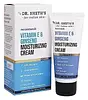
This moisturizer is formulated around Tocopheryl Acetate and Panax Ginseng Root Extract to hydrate skin.
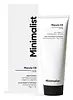
This moisturizer is formulated around Sclerocarya Birrea Seed Oil to hydrate skin.

What's inside
What's inside
 Key Ingredients
Benefits
Concerns
Ingredients Side-by-side
Water
Skin ConditioningParaffinum Liquidum
Emollient


Tocopheryl Acetate
Antioxidant


Propylene Glycol
Humectant


Steareth-2
EmulsifyingCaprylic/Capric Triglyceride
Masking

Cetyl Alcohol
Emollient

Steareth-21
CleansingPEG-20
HumectantDimethicone
Emollient

Xylitylglucoside
Humectant
Anhydroxylitol
Humectant
Xylitol
Humectant
Stearyl Alcohol
Emollient
Sodium Acrylates Copolymer
Lecithin
Emollient
Phenoxyethanol
Preservative
Triethanolamine
BufferingBHT
Antioxidant
Potassium Sorbate
Preservative
Disodium EDTA
Citric Acid
Buffering
Panax Ginseng Root Extract
Emollient

Water, Paraffinum Liquidum, Tocopheryl Acetate, Propylene Glycol, Steareth-2, Caprylic/Capric Triglyceride, Cetyl Alcohol, Steareth-21, PEG-20, Dimethicone, Xylitylglucoside, Anhydroxylitol, Xylitol, Stearyl Alcohol, Sodium Acrylates Copolymer, Lecithin, Phenoxyethanol, Triethanolamine, BHT, Potassium Sorbate, Disodium EDTA, Citric Acid, Panax Ginseng Root Extract
Water
Skin ConditioningSclerocarya Birrea Seed Oil
Humectant
Glycerin
Humectant
Methylpropanediol
SolventDicaprylyl Carbonate
EmollientCaprylic/Capric Triglyceride
Masking
Cetearyl Alcohol
Emollient
Butylene Glycol
Humectant
Petrolatum
Emollient
Glyceryl Stearate
Emollient
PEG-100 Stearate
Surfactant
Saccharide Isomerate
Humectant
Trehalose
Humectant
Tocopheryl Acetate
Antioxidant
Pentylene Glycol
Skin Conditioning
Linoleic Acid
Cleansing
Linolenic Acid
Cleansing

Cetyl Alcohol
Emollient
Coco-Caprylate/Caprate
Emollient
Triheptanoin
Skin ConditioningSodium Hyaluronate
Humectant
Hydroxyethyl Acrylate/Sodium Acryloyldimethyl Taurate Copolymer
Emulsion StabilisingPolyisobutene
Phenoxyethanol
Preservative
C9-12 Alkane
SolventAllantoin
Skin Conditioning
Polyurethane-10
PEG-7 Trimethylolpropane Coconut Ether
Emulsifying
Carbomer
Emulsion StabilisingTrisodium Ethylenediamine Disuccinate
Triethanolamine
BufferingEthylhexylglycerin
Skin ConditioningWater, Sclerocarya Birrea Seed Oil, Glycerin, Methylpropanediol, Dicaprylyl Carbonate, Caprylic/Capric Triglyceride, Cetearyl Alcohol, Butylene Glycol, Petrolatum, Glyceryl Stearate, PEG-100 Stearate, Saccharide Isomerate, Trehalose, Tocopheryl Acetate, Pentylene Glycol, Linoleic Acid, Linolenic Acid, Cetyl Alcohol, Coco-Caprylate/Caprate, Triheptanoin, Sodium Hyaluronate, Hydroxyethyl Acrylate/Sodium Acryloyldimethyl Taurate Copolymer, Polyisobutene, Phenoxyethanol, C9-12 Alkane, Allantoin, Polyurethane-10, PEG-7 Trimethylolpropane Coconut Ether, Carbomer, Trisodium Ethylenediamine Disuccinate, Triethanolamine, Ethylhexylglycerin
Reviews
Ingredients Explained
These ingredients are found in both products.
Ingredients higher up in an ingredient list are typically present in a larger amount.
Caprylic/Capric Triglyceride (aka MCT Oil) is a lightweight emollient, solvent, and texture enhancer. It is considered a skin-softener by helping to prevent moisture loss.
Though it behaves like an oil, it is not technically one due to its chemical composition. One perk of this ingredient is that it is very stable, resistant to oxidation, and unlikely to go rancid.
In practice, that translates to a long shelf life and a consistently elegant skin feel.
While there is an assumption Caprylic Triglyceride can clog pores due to it being derived from coconut oil, there is no research supporting this. Just patch test if you have concerns.
Fractionated coconut oil and MCT Oil are both listed as Caprylic/Capric Triglyceride according to INCI. This is because INCI names are based on the ingredient’s final chemical composition and not its marketing name or source.
This ingredient is treated as the gold standard fungal acne safe oil. Even though it is coconut derived, the problematic lauric acid is stripped out.
This leaves just caprylic (C8) and capric (C10) acid. These chain lengths actually trend antifungal; a 2020 study found caprylic acid was enough to disrupt Malassezia furfur cell membrane, with a caprylic acid derivative damaging membrane structures at concentrations as low as 0.2%.
Learn more about Caprylic/Capric TriglycerideCetyl Alcohol is a fatty alcohol. Fatty Alcohols are most often used as an emollient or to thicken a product.
Its main roles are:
Though it has "alcohol" in the name, it is not related to denatured alcohol or ethyl alcohol.
The FDA allows products labeled "alcohol-free" to have fatty alcohols.
This ingredient may not be fungal acne safe. It is a primary fatty alcohol with a chain length above 12 carbons. A study from 2019 show Malassezia can feed on fatty alcohols in this range, so it may trigger fungal acne in those prone to it.
Learn more about Cetyl AlcoholPhenoxyethanol is one of the most widely used preservatives in skincare (and for good reason!).
It has a large spectrum of antimicrobial activity and especially effective bacteria, yeast, and mold while only having a weak effect on your skin's natural microbiome.
On a cellular level, it disrupts the cell membranes of microbes by poking holes that make the cell leak. This shuts down the chemical reactions the microbe needs to make energy so it can no longer survive.
Another perk of this ingredient is that it stays functional across a wide pH range (3-10).
You'll often see it paired with boosters like Ethylhexylglycerin; one study showed that a 1:9 ratio of Ethylhexylglycerin to Phenoxyethanol damages bacterial membranes as effectively as doubling the Phenoxyethanol concentration on its own.
Typical use concentrations range from 0.3-1% depending on the formula, and this ingredient is capped at 1% int the EU.
Safety-wise, the fear mongering does not hold up to the evidence. The EU's Scientific Committee on Consumer Safety and FDA consider it safe as a preservative at up to 1%, including for children of all ages.
Adverse systemic effects only showed up in animal studies at exposures roughly 200x higher than what people get from cosmetics. And despite its very widespread use, this ingredient is a rare sensitizer and allergic reactions are uncommon.
Learn more about PhenoxyethanolTocopheryl Acetate is a stable, shelf-friendly form of vitamin E.
Formulators love it because plain vitamin E oxidizes quickly once it hits air. This acetate version stays stable and resists going off, helping to extend a product's shelf life.
It's actually inactive on its own and works like a slow-release "storage" form; the enzymes in your skin called esterases gradually convert it into active vitamin E over time.
One in vivo study showed 5% of the acetate in the living layer of the epidermis converted to vitamin E after 5 days of application. This study also found the skin gained protection against UV damage even though the conversion was slow and small.
Once converted, vitamin E acts as a skin's main fat-soluble antioxidant that fights free radicals to protect skin from damage.
Topical vitamin E generally boosts the skin's photoprotection, and it reduced UV-damage in animal models.
This ingredient has some brightening potential but it's more of a prevention ingredient than spot-fader. Cell studies show it can slow down melanin production but it's worth noting that it's not the most powerful brightener out there.
Overall, it has a pretty solid safety profile and has been found to be non-irritating and non-comedogenic. Allergic reactions may happen but stay rare due to how widely the ingredient gets used.
The concentration will vary depending on the formula; industry data shows 0.1% in baby lotions, 3% in lipsticks, and 5% in foot powders. You can also find this ingredient at 100% in a pure vitamin E oil.
Most leave-on skincare keeps it at the lower end, often between 0.5-1%.
Learn more about Tocopheryl AcetateTriethanolamine (TEA) is an emulsifier and pH adjuster. It is created using ethylene oxide and ammonia. This gives Triethanolamine a nitrogen core and a similar scent to ammonia.
As an emulsifier, it prevents ingredients from separating and enhances texture by adding volume to a product.
PH adjusters are common in cosmetic products. The pH of a product can affect the effectiveness of other ingredients. A product with a high pH may also irritate the skin.
If you are looking for the tea leaf ingredient, click here.
Learn more about TriethanolamineWater. It's the most common cosmetic ingredient of all. You'll usually see it at the top of ingredient lists, meaning that it makes up the largest part of the product.
So why is it so popular? Water most often acts as a solvent - this means that it helps dissolve other ingredients into the formulation.
You'll also recognize water as that liquid we all need to stay alive. If you see this, drink a glass of water. Remember to stay hydrated!
Learn more about Water

