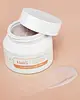
This wash off mask is made with Sucrose and Butyrospermum Parkii Butter for a rinse-off hydration boost.

What's inside
What's inside
 Key Ingredients
Benefits
Concerns
Ingredients Side-by-side
Glycerin
Humectant


Sucrose
Humectant
Cetyl Ethylhexanoate
EmollientButyrospermum Parkii Butter
Skin Conditioning




Caprylic/Capric Triglyceride
Masking
Cetyl Alcohol
Emollient
Glucose
Humectant
Citrus Paradisi Fruit Extract
Skin ConditioningMicrocrystalline Wax
Emulsion StabilisingGlyceryl Stearate
Emollient
Sorbitan Stearate
Emulsifying
Olea Europaea Fruit Oil
Masking

Sorbitan Sesquioleate
Emulsifying
PEG-100 Stearate
Surfactant
Simmondsia Chinensis Seed Oil
Emollient
Cellulose
Absorbent
Calamine
AbsorbentTocopheryl Acetate
Antioxidant


Rubus Idaeus Seed Oil
Emollient
Kaolin
Abrasive


Quartz
Abrasive
1,2-Hexanediol
Skin Conditioning
Bisabolol
Antioxidant

Citrus Grandis Peel Oil
Masking


Butylene Glycol
Humectant
Limonene
Perfuming
Glycerin, Sucrose, Cetyl Ethylhexanoate, Butyrospermum Parkii Butter, Caprylic/Capric Triglyceride, Cetyl Alcohol, Glucose, Citrus Paradisi Fruit Extract, Microcrystalline Wax, Glyceryl Stearate, Sorbitan Stearate, Olea Europaea Fruit Oil, Sorbitan Sesquioleate, PEG-100 Stearate, Simmondsia Chinensis Seed Oil, Cellulose, Calamine, Tocopheryl Acetate, Rubus Idaeus Seed Oil, Kaolin, Quartz, 1,2-Hexanediol, Bisabolol, Citrus Grandis Peel Oil, Butylene Glycol, Limonene
Water
Skin ConditioningSodium Lauroyl Sarcosinate
CleansingGlycerin
Humectant
Propylene Glycol
Humectant
Lauric Acid
Cleansing
Caprylic/Capric Triglyceride
Masking
Sodium Hyaluronate
Humectant

Dimethyl Sulfone
SolventPotassium Hydroxide
BufferingGlycyrrhiza Glabra Root Extract
Bleaching
Betaine
Humectant
Stearic Acid
Cleansing
Chamaecyparis Obtusa Water
MaskingAnanas Sativus Fruit Extract
Skin ConditioningChlorphenesin
Antimicrobial
Melaleuca Alternifolia Leaf Oil
Antioxidant
Illicium Verum Fruit Extract
Perfuming
Citrus Paradisi Fruit Extract
Skin ConditioningNelumbium Speciosum Flower Extract
Skin ConditioningPaeonia Suffruticosa Root Extract
Skin ProtectingScutellaria Baicalensis Root Extract
Astringent
Panthenol
Skin Conditioning
Citric Acid
Buffering
Pyridoxine
Skin ConditioningLinum Usitatissimum Seed Extract
Perfuming
Hibiscus Esculentus Fruit Extract
Skin ConditioningAloe Barbadensis Leaf Juice
Skin Conditioning
Arctium Lappa Root Extract
Skin Conditioning
Hibiscus Mutabilis Flower Extract
Skin ConditioningCorchorus Olitorius Leaf Extract
Skin ConditioningHydrolyzed Pea Protein
EmollientLecithin
Emollient
Olea Europaea Fruit Oil
Masking
Phytosterols
Skin Conditioning
Squalane
Emollient
Butyrospermum Parkii Butter
Skin Conditioning
Ceramide NP
Skin Conditioning
Propanediol
Solvent
Apium Graveolens Extract
Skin ConditioningBrassica Oleracea Capitata Leaf Extract
Skin ConditioningBrassica Oleracea Italica Extract
AstringentBrassica Rapa Leaf Extract
Skin ConditioningDaucus Carota Sativa Root Extract
Skin Conditioning
Oryza Sativa Bran Extract
Skin Conditioning
Solanum Lycopersicum Fruit/Leaf/Stem Extract
AstringentLysine Hcl
Skin Conditioning
Proline
Skin Conditioning
Sodium Ascorbyl Phosphate
Antioxidant

Acetyl Methionine
Skin Conditioning
Theanine
EmollientTocopheryl Acetate
Antioxidant
Panax Ginseng Callus Culture Extract
Skin ConditioningCentella Asiatica Extract
Cleansing
Portulaca Oleracea Extract
Skin Conditioning
Beta-Glucan
Skin Conditioning
Papain
Skin Conditioning
Water, Sodium Lauroyl Sarcosinate, Glycerin, Propylene Glycol, Lauric Acid, Caprylic/Capric Triglyceride, Sodium Hyaluronate, Dimethyl Sulfone, Potassium Hydroxide, Glycyrrhiza Glabra Root Extract, Betaine, Stearic Acid, Chamaecyparis Obtusa Water, Ananas Sativus Fruit Extract, Chlorphenesin, Melaleuca Alternifolia Leaf Oil, Illicium Verum Fruit Extract, Citrus Paradisi Fruit Extract, Nelumbium Speciosum Flower Extract, Paeonia Suffruticosa Root Extract, Scutellaria Baicalensis Root Extract, Panthenol, Citric Acid, Pyridoxine, Linum Usitatissimum Seed Extract, Hibiscus Esculentus Fruit Extract, Aloe Barbadensis Leaf Juice, Arctium Lappa Root Extract, Hibiscus Mutabilis Flower Extract, Corchorus Olitorius Leaf Extract, Hydrolyzed Pea Protein, Lecithin, Olea Europaea Fruit Oil, Phytosterols, Squalane, Butyrospermum Parkii Butter, Ceramide NP, Propanediol, Apium Graveolens Extract, Brassica Oleracea Capitata Leaf Extract, Brassica Oleracea Italica Extract, Brassica Rapa Leaf Extract, Daucus Carota Sativa Root Extract, Oryza Sativa Bran Extract, Solanum Lycopersicum Fruit/Leaf/Stem Extract, Lysine Hcl, Proline, Sodium Ascorbyl Phosphate, Acetyl Methionine, Theanine, Tocopheryl Acetate, Panax Ginseng Callus Culture Extract, Centella Asiatica Extract, Portulaca Oleracea Extract, Beta-Glucan, Papain
Reviews
Ingredients Explained
These ingredients are found in both products.
Ingredients higher up in an ingredient list are typically present in a larger amount.
This ingredient is also known as shea butter. It is a plant-derived extract from the nuts of the Africa shea tree and one of the most well-studied emollients.
Because it has a high concentration of fatty acids (primarily oleic, stearic, and linoleic) it is able to form a protective barrier on the skin's surface. This helps seal in moisture and prevents transepidermal water loss (TEWL).
In vitro research found an increase in skin hydration by 58% and a decrease in TEWL by 37.8% after 24 hours of applying this ingredient (pretty impressive for a single ingredient!).
Besides hydration, shea butter also contains triterpenes that have anti-inflammatory potential. In particule, lupeol cinnamate has shown the highest anti-inflammatory activity in vivo.
Shea butter also contains vitamins A and E which may contribute to antioxidant activity.
While Shea Butter has an SPF rating of about 3-4, it is not a sunscreen replacement.
This ingredient may not be fungal acne safe because its fatty acids fall within the C11-C24 range that the Malassezia yeast can metabolize.
This ingredient shows up on a lot of "pore-clogging" lists but there's no real evidence behind that. It doesn't even have a comedogenic rating from an actual study; the numbers you'll find online come from blogs citing other blogs.
Ratings for other ingredients mostly come from a 1980s rabbit ear test. This test doesn't translate well to human skin or to real products because the ingredient sits at a much lower percentage.
Some people still find it breaks them out. So if that's you, definitely trust your skin. Just know this one's based on experience and not evidence.
Learn more about Butyrospermum Parkii ButterCaprylic/Capric Triglyceride (aka MCT Oil) is a lightweight emollient, solvent, and texture enhancer. It is considered a skin-softener by helping to prevent moisture loss.
Though it behaves like an oil, it is not technically one due to its chemical composition. One perk of this ingredient is that it is very stable, resistant to oxidation, and unlikely to go rancid.
In practice, that translates to a long shelf life and a consistently elegant skin feel.
While there is an assumption Caprylic Triglyceride can clog pores due to it being derived from coconut oil, there is no research supporting this. Just patch test if you have concerns.
Fractionated coconut oil and MCT Oil are both listed as Caprylic/Capric Triglyceride according to INCI. This is because INCI names are based on the ingredient’s final chemical composition and not its marketing name or source.
This ingredient is treated as the gold standard fungal acne safe oil. Even though it is coconut derived, the problematic lauric acid is stripped out.
This leaves just caprylic (C8) and capric (C10) acid. These chain lengths actually trend antifungal; a 2020 study found caprylic acid was enough to disrupt Malassezia furfur cell membrane, with a caprylic acid derivative damaging membrane structures at concentrations as low as 0.2%.
Learn more about Caprylic/Capric TriglycerideWe don't have a description for Citrus Paradisi Fruit Extract yet.
Glycerin (or glycerol) is a compound naturally found in your skin. It's a powerhouse humectant that pulls water into the stratum corneum.
Topically, glycerin does several things at once:
Your skin makes glycerin on its own (mostly from sebaceous oil breakdown) and shuttles it to your outermost layer of skin, or your epidermis, via aquaporin-3.
Aquaporin-3 is a transporter that is essential for normal skin hydration, elasticity, and repair. Interestingly, mice lacking in AQP3 have dry and less elastic skin that can be fully corrected with glycerin.
This ingredient is non-irritating, plays well with almost every ingredient, and works across all skin types. Typical use is anywhere between 3-10% but can go up to 79% in some leave-on products.
Just know very high concentrations (>40%) can feel tacky in low humidity.
Glycerin is the name for this ingredient in American English. British English uses Glycerol/Glycerine.
Learn more about GlycerinThis ingredient is also known as olive oil. It has been used in skincare for centuries and science largely backs up its reputation as a nourishing emollient.
The main components of olive oil are oleic acid (55-83%), linoleic acid (3.5-20%), and palmitic acid (7-20%). Oleic acid promotes skin regeneration and helps regulate inflammatory responses.
Squalene is also naturally present in olive oil and exhibits moisturizing and antioxidant properties.
The polyphenols in olive oil also show anti-aging promise; one clinical study found a measurable improvement in skin appearance after 30 days of topical serum use.
Just be aware that applying olive oil directly to skin can weaken the barrier and cause redness. One study with volunteers found even people without sensitive skin experienced a significant reduction in stratum corneum integrity and induced mild erythema.
It's best to use this ingredient as part of a carefully crafted formula (instead of putting it on skin directly from the bottle).
Because it has a 0-2 on the comedogenic scale, it is low risk for acne-prone skin. Just remember the overall formulation of a product matters more than a few ingredients with comedogenic ratings.
This ingredient may not be fungal acne safe because of the oleic and palmitic acid content. These fall within the C11-24 fatty acid range that the Malassezia yeast can metabolize to grow.
Overall, olive oil is a well-studied and nourishing skincare ingredient.
Learn more about Olea Europaea Fruit OilTocopheryl Acetate is a stable, shelf-friendly form of vitamin E.
Formulators love it because plain vitamin E oxidizes quickly once it hits air. This acetate version stays stable and resists going off, helping to extend a product's shelf life.
It's actually inactive on its own and works like a slow-release "storage" form; the enzymes in your skin called esterases gradually convert it into active vitamin E over time.
One in vivo study showed 5% of the acetate in the living layer of the epidermis converted to vitamin E after 5 days of application. This study also found the skin gained protection against UV damage even though the conversion was slow and small.
Once converted, vitamin E acts as a skin's main fat-soluble antioxidant that fights free radicals to protect skin from damage.
Topical vitamin E generally boosts the skin's photoprotection, and it reduced UV-damage in animal models.
This ingredient has some brightening potential but it's more of a prevention ingredient than spot-fader. Cell studies show it can slow down melanin production but it's worth noting that it's not the most powerful brightener out there.
Overall, it has a pretty solid safety profile and has been found to be non-irritating and non-comedogenic. Allergic reactions may happen but stay rare due to how widely the ingredient gets used.
The concentration will vary depending on the formula; industry data shows 0.1% in baby lotions, 3% in lipsticks, and 5% in foot powders. You can also find this ingredient at 100% in a pure vitamin E oil.
Most leave-on skincare keeps it at the lower end, often between 0.5-1%.
Learn more about Tocopheryl Acetate

