
What's inside
What's inside
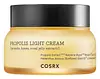 Key Ingredients

Benefits
Concerns
Ingredients Side-by-side
Propolis Extract
Skin Conditioning




Butylene Glycol
Humectant

Glycerin
Humectant
Caprylic/Capric Triglyceride
Masking
Helianthus Annuus Seed Oil
Emollient

1,2-Hexanediol
Skin Conditioning
Honey Extract
Humectant
Royal Jelly Extract
Skin Conditioning
Hydroxyethyl Acrylate/Sodium Acryloyldimethyl Taurate Copolymer
Emulsion StabilisingCassia Obtusifolia Seed Extract
Skin ConditioningCetearyl Olivate
Beeswax
Emulsion Stabilising

Cetearyl Alcohol
Emollient
Sorbitan Olivate
Emulsifying
Allantoin
Skin Conditioning
Arginine
Masking
Carbomer
Emulsion StabilisingXanthan Gum
EmulsifyingPropolis Extract, Butylene Glycol, Glycerin, Caprylic/Capric Triglyceride, Helianthus Annuus Seed Oil, 1,2-Hexanediol, Honey Extract, Royal Jelly Extract, Hydroxyethyl Acrylate/Sodium Acryloyldimethyl Taurate Copolymer, Cassia Obtusifolia Seed Extract, Cetearyl Olivate, Beeswax, Cetearyl Alcohol, Sorbitan Olivate, Allantoin, Arginine, Carbomer, Xanthan Gum
Water
Skin ConditioningGlycerin
Humectant
Caprylic/Capric Triglyceride
Masking
Cyclopentasiloxane
Emollient
Cetyl Alcohol
Emollient
Glyceryl Stearate
Emollient
Cetyl Ethylhexanoate
EmollientButyrospermum Parkii Butter
Skin Conditioning
Simmondsia Chinensis Seed Oil
Emollient
Stearic Acid
Cleansing
Butylene Glycol
Humectant
Sorbitan Sesquioleate
Emulsifying
Microcrystalline Wax
Emulsion StabilisingBetaine
Humectant
Sorbitan Stearate
Emulsifying
PEG-100 Stearate
Surfactant
Dimethicone
Emollient
Arginine
Masking
Carbomer
Emulsion StabilisingChlorphenesin
Antimicrobial
Tocopheryl Acetate
Antioxidant


Paeonia Suffruticosa Root Extract
Skin ProtectingIllicium Verum Fruit Extract
Perfuming
Nelumbium Speciosum Flower Extract
Skin ConditioningCitrus Paradisi Fruit Extract
Skin ConditioningScutellaria Baicalensis Root Extract
Astringent
Citric Acid
Buffering

Beta-Glucan
Skin Conditioning
Hydrogenated Lecithin
Emulsifying
Portulaca Oleracea Extract
Skin Conditioning
1,2-Hexanediol
Skin Conditioning
Centella Asiatica Extract
Cleansing

Aloe Barbadensis Leaf Extract
Emollient
Althaea Rosea Flower Extract
Skin ConditioningSodium Hyaluronate
Humectant
Ceramide NP
Skin Conditioning
Disodium EDTA
Polyquaternium-51
Skin Conditioning
Apium Graveolens Extract
Skin ConditioningBrassica Rapa Leaf Extract
Skin ConditioningOryza Sativa Bran Extract
Skin Conditioning
Brassica Oleracea Capitata Leaf Extract
Skin ConditioningDisodium Adenosine Triphosphate
Skin ConditioningDaucus Carota Sativa Root Extract
Skin Conditioning
Brassica Oleracea Italica Extract
AstringentSolanum Lycopersicum Fruit/Leaf/Stem Extract
AstringentLysine Hcl
Skin Conditioning
Sodium Ascorbyl Phosphate
Antioxidant

Acetyl Methionine
Skin Conditioning
Theanine
EmollientProline
Skin Conditioning
Palmitic Acid
Emollient
Arachidic Acid
Cleansing
Oleic Acid
Emollient
Sodium Hydroxide
BufferingAlgin
Masking
Carica Papaya Fruit Extract
Skin ConditioningNatto Gum
Citrus Limon Peel Oil
Masking



Lavandula Angustifolia Oil
Masking
Citrus Aurantium Dulcis Peel Oil
Masking
Pelargonium Graveolens Flower Oil
Masking
Cananga Odorata Flower Oil
Masking
Eucalyptus Globulus Leaf Oil
Perfuming
Water, Glycerin, Caprylic/Capric Triglyceride, Cyclopentasiloxane, Cetyl Alcohol, Glyceryl Stearate, Cetyl Ethylhexanoate, Butyrospermum Parkii Butter, Simmondsia Chinensis Seed Oil, Stearic Acid, Butylene Glycol, Sorbitan Sesquioleate, Microcrystalline Wax, Betaine, Sorbitan Stearate, PEG-100 Stearate, Dimethicone, Arginine, Carbomer, Chlorphenesin, Tocopheryl Acetate, Paeonia Suffruticosa Root Extract, Illicium Verum Fruit Extract, Nelumbium Speciosum Flower Extract, Citrus Paradisi Fruit Extract, Scutellaria Baicalensis Root Extract, Citric Acid, Beta-Glucan, Hydrogenated Lecithin, Portulaca Oleracea Extract, 1,2-Hexanediol, Centella Asiatica Extract, Aloe Barbadensis Leaf Extract, Althaea Rosea Flower Extract, Sodium Hyaluronate, Ceramide NP, Disodium EDTA, Polyquaternium-51, Apium Graveolens Extract, Brassica Rapa Leaf Extract, Oryza Sativa Bran Extract, Brassica Oleracea Capitata Leaf Extract, Disodium Adenosine Triphosphate, Daucus Carota Sativa Root Extract, Brassica Oleracea Italica Extract, Solanum Lycopersicum Fruit/Leaf/Stem Extract, Lysine Hcl, Sodium Ascorbyl Phosphate, Acetyl Methionine, Theanine, Proline, Palmitic Acid, Arachidic Acid, Oleic Acid, Sodium Hydroxide, Algin, Carica Papaya Fruit Extract, Natto Gum, Citrus Limon Peel Oil, Lavandula Angustifolia Oil, Citrus Aurantium Dulcis Peel Oil, Pelargonium Graveolens Flower Oil, Cananga Odorata Flower Oil, Eucalyptus Globulus Leaf Oil
Reviews
Ingredients Explained
These ingredients are found in both products.
Ingredients higher up in an ingredient list are typically present in a larger amount.
1,2-Hexanediol is a synthetic liquid and another multi-functional powerhouse.
It is a:
- Humectant, drawing moisture into the skin
- Emollient, helping to soften skin
- Solvent, dispersing and stabilizing formulas
- Preservative booster, enhancing the antimicrobial activity of other preservatives
Arginine is a semi-essential amino acid. This just means our bodies can product a bit on its own, but sometimes needs a little boost from food sources.
It is a part of your skin's natural moisturizing factor (NMF), or the water-loving molecules in your outermost layer of skin (stratum corneum) that keeps everything hydrated and happy.
Here's an interesting thing about Arginine: your skin converts it into urea through the Krebs-Henseleit urea cycle. Urea is one of the most effective humectants your skin naturally produces.
A clinical study showed applying 2.5% arginine hydrochloride to atopic dermatitis skin showed significant urea levels in the stratum corneum and improved moisture in just four weeks.
Arginine is also a precursor to nitric oxide; nitric oxide improves microcirculation and supports wound healing and collagen synthesis.
One study found that an amino acid complex containing Arginine reduced skin irritation, improved hydration, and accelerated skin repair in clinical / in-vivo studies.
Arginine itself is an amino acid and not a fatty acid, oil, or ester. On its own, it's not a direct food source for Malassezia, or the yeast that causes fungal acne.
Learn more about ArginineButylene Glycol (or BG) is used within cosmetic products for a few different reasons:
Overall, Butylene Glycol is a safe and well-rounded ingredient that works well with other ingredients.
Though this ingredient works well with most skin types, some people with sensitive skin may experience a reaction such as allergic rashes, closed comedones, or itchiness.
Learn more about Butylene GlycolThis ingredient is a lightweight emollient, solvent, and texture enhancer. It is considered a skin-softener by helping the skin prevent moisture loss.
It helps thicken a product's formula and makes it easier to spread by dissolving clumping compounds.
Caprylic Triglyceride is made by combining glycerin with coconut oil, forming a clear liquid. Though it behaves like an oil, it is not technically one due to its chemical composition. It is very stable, resistant to oxidation, and unlikely to go rancid. In practice, that translates to a long shelf life and a consistently elegant skin feel.
While there is an assumption Caprylic Triglyceride can clog pores due to it being derived from coconut oil, there is no research supporting this. Be sure to patch test if you have concerns.
Fractionated coconut oil and MCT Oil are both listed as Caprylic/Capric Triglyceride according to INCI. This is because INCI names are based on the ingredient’s final chemical composition and not its marketing name or source.
Learn more about Caprylic/Capric TriglycerideCarbomer is a high-molecular weight polymer of acrylic acid. It is used to form gels and thicken formulas.
Due to its large molecular size, carbomer has minimal skin penetration and is considered an inert ingredient.
A high amount of carbomer can cause pilling or balling up of products. Don't worry, most products contain 1% or less of carbomer.
Learn more about CarbomerGlycerin (or glycerol) is a compound naturally found in your skin. It's a powerhouse humectant that pulls water into the stratum corneum.
Topically, glycerin does several things at once:
Your skin makes glycerin on its own (mostly from sebaceous oil breakdown) and shuttles it to your outermost layer of skin, or your epidermis, via aquaporin-3.
Aquaporin-3 is a transporter that is essential for normal skin hydration, elasticity, and repair. Interestingly, mice lacking in AQP3 have dry and less elastic skin that can be fully corrected with glycerin.
This ingredient is non-irritating, plays well with almost every ingredient, and works across all skin types. Typical use is anywhere between 3-10% but can go up to 79% in some leave-on products.
Just know very high concentrations (>40%) can feel tacky in low humidity.
Glycerin is the name for this ingredient in American English. British English uses Glycerol/Glycerine.
Learn more about Glycerin
