Conscious Chemist The Defender Peptide Retinol Night Cream Versus The Ordinary Multi Peptides + Copper Peptide 1%
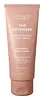
This anti-aging night moisturizer is formulated around Glycyrrhiza Glabra Root Extract and Retinol to soften the look of wrinkles and refine skin texture.
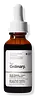
This anti-aging serum is formulated around Lactococcus Ferment Lysate and Copper Tripeptide-1 to soften the look of wrinkles and refine skin texture.


What's inside
What's inside
 Key Ingredients
Benefits
Concerns
Ingredients Side-by-side
Water
Skin ConditioningPropylene Glycol
Humectant


Isopropyl Myristate
Emollient



Glyceryl Stearate
Emollient
Cetearyl Olivate
Sorbitan Olivate
Emulsifying
Cetearyl Alcohol
Emollient

Dimethicone
Emollient

Caprylic/Capric Triglyceride
Masking
Cocos Nucifera Oil
Masking

Sodium Acrylates/Beheneth-25 Methacrylate Crosspolymer
Skin ConditioningHydrogenated Polydecene
EmollientLauryl Glucoside
CleansingPhenoxyethanol
Preservative
Helianthus Annuus Seed Oil
Emollient
Alcohol
Antimicrobial

Glyceryl Oleate
Emollient
Glycyrrhiza Glabra Root Extract
Bleaching



Allantoin
Skin Conditioning
Mauritia Flexuosa Fruit Oil
Skin Conditioning
Retinol
Skin Conditioning





Polysorbate 20
Emulsifying
BHA
Antioxidant
Lecithin
Emollient
Acetyl Glutamine
Skin ConditioningSh-Oligopeptide-1
Skin Conditioning
Sh-Oligopeptide-2
Skin Conditioning
Sh-Polypeptide-1
Skin Conditioning
Sh-Polypeptide-9
Skin Conditioning
Sh-Polypeptide-11
Bacillus/Soybean Ferment Extract
Skin ConditioningSodium Hyaluronate
Humectant
Caprylyl Glycol
Emollient
Butylene Glycol
Humectant
Hexapeptide-11
Skin Conditioning
Leuconostoc/Radish Root Ferment Filtrate
Antimicrobial
Tocopheryl Acetate
Antioxidant
Bisabolol
Antioxidant
Adansonia Digitata Oil
Emollient
Caffeine
Skin Conditioning
BHT
Antioxidant
Disodium EDTA
ChelatingSclerocarya Birrea Seed Oil
Humectant
Ubiquinone
Antioxidant
Water, Propylene Glycol, Isopropyl Myristate, Glyceryl Stearate, Cetearyl Olivate, Sorbitan Olivate, Cetearyl Alcohol, Dimethicone, Caprylic/Capric Triglyceride, Cocos Nucifera Oil, Sodium Acrylates/Beheneth-25 Methacrylate Crosspolymer, Hydrogenated Polydecene, Lauryl Glucoside, Phenoxyethanol, Helianthus Annuus Seed Oil, Alcohol, Glyceryl Oleate, Glycyrrhiza Glabra Root Extract, Allantoin, Mauritia Flexuosa Fruit Oil, Retinol, Polysorbate 20, BHA, Lecithin, Acetyl Glutamine, Sh-Oligopeptide-1, Sh-Oligopeptide-2, Sh-Polypeptide-1, Sh-Polypeptide-9, Sh-Polypeptide-11, Bacillus/Soybean Ferment Extract, Sodium Hyaluronate, Caprylyl Glycol, Butylene Glycol, Hexapeptide-11, Leuconostoc/Radish Root Ferment Filtrate, Tocopheryl Acetate, Bisabolol, Adansonia Digitata Oil, Caffeine, BHT, Disodium EDTA, Sclerocarya Birrea Seed Oil, Ubiquinone
Water
Skin ConditioningGlycerin
Humectant
Lactococcus Ferment Lysate
Skin Conditioning
Copper Tripeptide-1
Skin Conditioning
Acetyl Hexapeptide-8
Humectant
Pentapeptide-18
Skin Conditioning
Palmitoyl Tripeptide-1
Skin Conditioning
Palmitoyl Tetrapeptide-7
Skin Conditioning
Palmitoyl Tripeptide-38
Skin Conditioning
Dipeptide Diaminobutyroyl Benzylamide Diacetate
Skin Conditioning
Acetylarginyltryptophyl Diphenylglycine
Skin ConditioningSodium Hyaluronate Crosspolymer
Humectant
Sodium Hyaluronate
Humectant
Allantoin
Skin Conditioning
Glycine
Buffering
Alanine
Masking
Serine
Masking
Valine
MaskingIsoleucine
Skin ConditioningProline
Skin Conditioning
Threonine
Histidine
Humectant
Phenylalanine
Masking
Arginine
Masking
Aspartic Acid
Masking
Trehalose
Humectant
Fructose
Humectant
Glucose
Humectant
Maltose
MaskingUrea
Buffering
Sodium PCA
Humectant
PCA
Humectant
Sodium Lactate
Buffering
Citric Acid
Buffering
Hydroxypropyl Cyclodextrin
MaskingSodium Chloride
MaskingSodium Hydroxide
BufferingButylene Glycol
Humectant
Pentylene Glycol
Skin Conditioning
Acacia Senegal Gum
MaskingXanthan Gum
EmulsifyingCarbomer
Emulsion StabilisingPolysorbate 20
Emulsifying
Dimethyl Isosorbide
SolventSodium Benzoate
Masking
Caprylyl Glycol
Emollient
Ethylhexylglycerin
Skin ConditioningPhenoxyethanol
Preservative
Chlorphenesin
Antimicrobial
Water, Glycerin, Lactococcus Ferment Lysate, Copper Tripeptide-1, Acetyl Hexapeptide-8, Pentapeptide-18, Palmitoyl Tripeptide-1, Palmitoyl Tetrapeptide-7, Palmitoyl Tripeptide-38, Dipeptide Diaminobutyroyl Benzylamide Diacetate, Acetylarginyltryptophyl Diphenylglycine, Sodium Hyaluronate Crosspolymer, Sodium Hyaluronate, Allantoin, Glycine, Alanine, Serine, Valine, Isoleucine, Proline, Threonine, Histidine, Phenylalanine, Arginine, Aspartic Acid, Trehalose, Fructose, Glucose, Maltose, Urea, Sodium PCA, PCA, Sodium Lactate, Citric Acid, Hydroxypropyl Cyclodextrin, Sodium Chloride, Sodium Hydroxide, Butylene Glycol, Pentylene Glycol, Acacia Senegal Gum, Xanthan Gum, Carbomer, Polysorbate 20, Dimethyl Isosorbide, Sodium Benzoate, Caprylyl Glycol, Ethylhexylglycerin, Phenoxyethanol, Chlorphenesin
Reviews
Ingredients Explained
These ingredients are found in both products.
Ingredients higher up in an ingredient list are typically present in a larger amount.
Allantoin is a soothing ingredient known for its protective and moisturizing properties; it's basically a quiet workhorse ingredient you can find in a huge range of cosmetics.
Though it can be derived from the comfrey plant, allantoin is produced synthetically for cosmetic products to ensure purity.
Research shows it can encourage your skin cells to turn over and renew by stimulating keratinocyte and fibroblast proliferation.
It also has mild keratolytic properties to help loosen and shed dead skin cells without being harsh.
Studies also suggest allantoin can help calm inflammation by dialing down some of the chemical signals your skin sends out when it is irritated.
This ingredient is typically used in the 0.1-0.5% range, and the FDA recognizes it as a skin protectant in OTC products up to 2%.
Overall, allantoin is a wonderful addition to most routines; it is stable across a wide pH range (~4-8), works well with other ingredients, and is considered non-sensitizing/non-irritating.
Fun fact: Allantoin is naturally occurring in comfrey root, beets, chamomile, and wheat sprouts. Our bodies even produce it as a byproduct of uric acid metabolism.
Learn more about AllantoinButylene Glycol (or BG) is used within cosmetic products for a few different reasons:
Overall, Butylene Glycol is a safe and well-rounded ingredient that works well with other ingredients.
Though this ingredient works well with most skin types, some people with sensitive skin may experience a reaction such as allergic rashes, closed comedones, or itchiness.
Learn more about Butylene GlycolCaprylyl Glycol is a humectant, skin conditioner, emollient, and preservative booster derived from either caprylic acid or synthetically created.
Typical use levels vary from 0.3-1% as a preservative booster and go up to 2% to condition skin.
Because it is not a free-fatty acid, this ingredient is fungal acne safe (there's nothing for Malassezia to feed on).
Learn more about Caprylyl GlycolPhenoxyethanol is one of the most widely used preservatives in skincare (and for good reason!).
It has a large spectrum of antimicrobial activity and especially effective bacteria, yeast, and mold while only having a weak effect on your skin's natural microbiome.
On a cellular level, it disrupts the cell membranes of microbes by poking holes that make the cell leak. This shuts down the chemical reactions the microbe needs to make energy so it can no longer survive.
Another perk of this ingredient is that it stays functional across a wide pH range (3-10).
You'll often see it paired with boosters like Ethylhexylglycerin; one study showed that a 1:9 ratio of Ethylhexylglycerin to Phenoxyethanol damages bacterial membranes as effectively as doubling the Phenoxyethanol concentration on its own.
Typical use concentrations range from 0.3-1% depending on the formula, and this ingredient is capped at 1% int the EU.
Safety-wise, the fear mongering does not hold up to the evidence. The EU's Scientific Committee on Consumer Safety and FDA consider it safe as a preservative at up to 1%, including for children of all ages.
Adverse systemic effects only showed up in animal studies at exposures roughly 200x higher than what people get from cosmetics. And despite its very widespread use, this ingredient is a rare sensitizer and allergic reactions are uncommon.
Learn more about PhenoxyethanolPolysorbate 20 is a gentle, water-soluble emulsifier and mild surfactant. It stops oil and water from separating to keep your formulas blended and stable.
It also acts as a mild penetration enhancer by helping active ingredients absorb slightly better.
The common safety discussion around this ingredient involves a manufacturing byproduct called 1,4-dioxane.
Trace amounts can form during production but the EU's Scientific Committee on Consumer Safety has concluded that levels at/below 10 ppm in finished products are safe (commercial products consistently fall within acceptable margins).
True allergic reactions are uncommon and the CIR Expert Panel has confirmed this ingredient to be safe as used in cosmetics.
Because it is derived from lauric acid, it may not be fungal acne safe.
Learn more about Polysorbate 20Sodium Hyaluronate is the salt form of hyaluronic acid. It is a long sugar chain that is naturally found in your skin, joints, and connective tissue that maintains hydration and elasticity.
In skincare, it works as a humectant. It pulls water from the environment and deeper layers of skin and binds it to the surface.
Interestingly, the size of the molecule affects its behavior:
Some clinical evidence links low molecular weight versions to improved wrinkle depth, elasticity, anti-inflammatory effects, and barrier repair.
Many serums use a blend of both weights so you can get surface hydration plus longer-lasting and deeper effects.
You'll typically see concentrations between 0.1-2% for this ingredient.
Learn more about Sodium HyaluronateWater. It's the most common cosmetic ingredient of all. You'll usually see it at the top of ingredient lists, meaning that it makes up the largest part of the product.
So why is it so popular? Water most often acts as a solvent - this means that it helps dissolve other ingredients into the formulation.
You'll also recognize water as that liquid we all need to stay alive. If you see this, drink a glass of water. Remember to stay hydrated!
Learn more about Water

