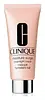
This hydrating overnight mask is formulated around Butyrospermum Parkii Butter and Trehalose to hydrate skin and strengthen the skin barrier.

What's inside
What's inside
 Key Ingredients
Benefits
Concerns
Ingredients Side-by-side
Water
Skin ConditioningGlycerin
Humectant


Cetyl Alcohol
Emollient



Dimethicone
Emollient
Glyceryl Polymethacrylate
Butyrospermum Parkii Butter
Skin Conditioning


Cetyl Ethylhexanoate
EmollientPEG-8
HumectantGlycereth-26
Humectant
Sucrose
Humectant
Sorbitan Stearate
Emulsifying
PEG-100 Stearate
Surfactant
Trehalose
Humectant
Mangifera Indica Seed Butter
Skin Conditioning
Hypnea Musciformis Extract
Skin ProtectingGelidiella Acerosa Extract
Skin ProtectingOlea Europaea Fruit Extract
BleachingTriticum Vulgare Bran Extract
Skin ConditioningCladosiphon Okamuranus Extract
Skin ConditioningAstrocaryum Murumuru Seed Butter
Emollient
Cetearyl Alcohol
Emollient
Aloe Barbadensis Leaf Water
MaskingPEG-75
HumectantCaffeine
Skin Conditioning
Pantethine
EmollientSorbitol
Humectant
Butylene Glycol
Humectant
Oryzanol
Skin ConditioningBisabolol
Antioxidant

Panthenol
Skin Conditioning
Phytosterols
Skin Conditioning
Tocopheryl Acetate
Antioxidant

Caprylyl Glycol
Emollient
Sodium Hyaluronate
Humectant
Hexylene Glycol
EmulsifyingCarbomer
Emulsion StabilisingPotassium Hydroxide
BufferingDextrin
AbsorbentDisodium EDTA
Phenoxyethanol
Preservative
CI 14700
Cosmetic ColorantCI 19140
Cosmetic ColorantWater, Glycerin, Cetyl Alcohol, Dimethicone, Glyceryl Polymethacrylate, Butyrospermum Parkii Butter, Cetyl Ethylhexanoate, PEG-8, Glycereth-26, Sucrose, Sorbitan Stearate, PEG-100 Stearate, Trehalose, Mangifera Indica Seed Butter, Hypnea Musciformis Extract, Gelidiella Acerosa Extract, Olea Europaea Fruit Extract, Triticum Vulgare Bran Extract, Cladosiphon Okamuranus Extract, Astrocaryum Murumuru Seed Butter, Cetearyl Alcohol, Aloe Barbadensis Leaf Water, PEG-75, Caffeine, Pantethine, Sorbitol, Butylene Glycol, Oryzanol, Bisabolol, Panthenol, Phytosterols, Tocopheryl Acetate, Caprylyl Glycol, Sodium Hyaluronate, Hexylene Glycol, Carbomer, Potassium Hydroxide, Dextrin, Disodium EDTA, Phenoxyethanol, CI 14700, CI 19140
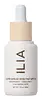
Zinc Oxide 12%
Cosmetic Colorant


Water
Skin ConditioningSqualane
Emollient
Shea Butter Ethyl Esters
Emollient
Isoamyl Laurate
Emollient
Polyglyceryl-3 Ricinoleate
Emulsifying
Butyloctyl Salicylate
Skin Conditioning
Propanediol
Solvent
Isopropyl Isostearate
Emollient
Polyglyceryl-3 Diisostearate
Emulsifying
Methylpropanediol
SolventNiacinamide
Smoothing




Sodium Chloride
MaskingLecithin
Emollient
Caprylyl Glycol
Emollient
Silica
Abrasive
Aloe Barbadensis Leaf Juice Powder
Skin Conditioning
Bisabolol
Antioxidant
Hydrolyzed Sodium Hyaluronate
Skin Conditioning
Allantoin
Skin Conditioning
Phenylpropanol
Masking

Sodium Myristoyl Glutamate
CleansingSodium Hyaluronate
Humectant
Tetrasodium Glutamate Diacetate
Aluminum Hydroxide
EmollientPolyhydroxystearic Acid
Emulsifying
CI 77491
Cosmetic ColorantCI 77492
Cosmetic ColorantCI 77499
Cosmetic ColorantCI 77891
Cosmetic ColorantZinc Oxide 12%, Water, Squalane, Shea Butter Ethyl Esters, Isoamyl Laurate, Polyglyceryl-3 Ricinoleate, Butyloctyl Salicylate, Propanediol, Isopropyl Isostearate, Polyglyceryl-3 Diisostearate, Methylpropanediol, Niacinamide, Sodium Chloride, Lecithin, Caprylyl Glycol, Silica, Aloe Barbadensis Leaf Juice Powder, Bisabolol, Hydrolyzed Sodium Hyaluronate, Allantoin, Phenylpropanol, Sodium Myristoyl Glutamate, Sodium Hyaluronate, Tetrasodium Glutamate Diacetate, Aluminum Hydroxide, Polyhydroxystearic Acid, CI 77491, CI 77492, CI 77499, CI 77891
Reviews
Ingredients Explained
These ingredients are found in both products.
Ingredients higher up in an ingredient list are typically present in a larger amount.
Bisabolol is a gentle skin conditioner, antioxidant, and soothing ingredient.
It's primary claim to fame is soothing and research shows topically applied bisabolol can quiet the chemical messengers that cause your skin to become inflamed, helping to sooth any irritation.
A clinical study found that applying 0.5% bisabolol daily for 8 weeks produced an average 9% decrease in skin pigmentation. Researchers found it can also suppress the process that leads to excess melanin production in skin.
In vitro studies found that bisabolol combined with propylene glycol significantly increased skin permeability by increasing lipid fluidity in the stratum corneum.
You'll likely see use concentrations quite low, usually 0.1-0.2%.
Overall, this is a well-tolerated ingredient that works well in formulas designed for sensitive, reactive, or post-procedure skin.
Learn more about BisabololCaprylyl Glycol is a humectant, skin conditioner, emollient, and preservative booster derived from either caprylic acid or synthetically created.
Typical use levels vary from 0.3-1% as a preservative booster and go up to 2% to condition skin.
Because it is not a free-fatty acid, this ingredient is fungal acne safe (there's nothing for Malassezia to feed on).
Learn more about Caprylyl GlycolSodium Hyaluronate is the salt form of hyaluronic acid. It is a long sugar chain that is naturally found in your skin, joints, and connective tissue that maintains hydration and elasticity.
In skincare, it works as a humectant. It pulls water from the environment and deeper layers of skin and binds it to the surface.
Interestingly, the size of the molecule affects its behavior:
Some clinical evidence links low molecular weight versions to improved wrinkle depth, elasticity, anti-inflammatory effects, and barrier repair.
Many serums use a blend of both weights so you can get surface hydration plus longer-lasting and deeper effects.
You'll typically see concentrations between 0.1-2% for this ingredient.
Learn more about Sodium HyaluronateWater. It's the most common cosmetic ingredient of all. You'll usually see it at the top of ingredient lists, meaning that it makes up the largest part of the product.
So why is it so popular? Water most often acts as a solvent - this means that it helps dissolve other ingredients into the formulation.
You'll also recognize water as that liquid we all need to stay alive. If you see this, drink a glass of water. Remember to stay hydrated!
Learn more about Water

