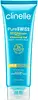
This mild gel cleanser is made to cleanse while calming and soothing your skin.
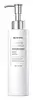
This mild gel cleanser is made to cleanse without leaving your skin tight or dry.


What's inside
What's inside
 Key Ingredients
No key ingredients
Benefits
Concerns
Ingredients Side-by-side
Water
Skin ConditioningDecyl Glucoside
Cleansing
Cocamidopropyl Betaine
Cleansing


PPG-26-Buteth-26
Skin ConditioningGlycerin
Humectant


Acrylates/C10-30 Alkyl Acrylate Crosspolymer
Emulsion StabilisingPEG-40 Hydrogenated Castor Oil
Emulsifying

Coco-Glucoside
Cleansing
Glyceryl Oleate
Emollient

Propylene Glycol
Humectant
Potassium Hydroxide
BufferingChlorphenesin
Antimicrobial
Citric Acid
Buffering

Allantoin
Skin Conditioning

Pelargonium Graveolens Flower Oil
Masking

Disodium EDTA
Cetrimonium Bromide
Antimicrobial
Citronellol
Perfuming
Geraniol
Perfuming
Linalool
Perfuming
Sodium Benzoate
Masking
Cassia Angustifolia Seed Polysaccharide
Skin ConditioningHydrolyzed Algin
Phenoxyethanol
Preservative
Hypericum Perforatum Extract
AntimicrobialMaris Aqua
HumectantAnthemis Nobilis Flower Extract
Masking
Calendula Officinalis Flower Extract
Masking
Centaurea Cyanus Flower Extract
Astringent
Chamomilla Recutita Flower Extract
Masking
Tilia Cordata Flower Extract
Skin Conditioning
Hydroxyethylcellulose
Emulsion StabilisingChlorella Vulgaris Extract
Skin ConditioningWater, Decyl Glucoside, Cocamidopropyl Betaine, PPG-26-Buteth-26, Glycerin, Acrylates/C10-30 Alkyl Acrylate Crosspolymer, PEG-40 Hydrogenated Castor Oil, Coco-Glucoside, Glyceryl Oleate, Propylene Glycol, Potassium Hydroxide, Chlorphenesin, Citric Acid, Allantoin, Pelargonium Graveolens Flower Oil, Disodium EDTA, Cetrimonium Bromide, Citronellol, Geraniol, Linalool, Sodium Benzoate, Cassia Angustifolia Seed Polysaccharide, Hydrolyzed Algin, Phenoxyethanol, Hypericum Perforatum Extract, Maris Aqua, Anthemis Nobilis Flower Extract, Calendula Officinalis Flower Extract, Centaurea Cyanus Flower Extract, Chamomilla Recutita Flower Extract, Tilia Cordata Flower Extract, Hydroxyethylcellulose, Chlorella Vulgaris Extract
Water
Skin ConditioningPotassium Cocoyl Glycinate
Surfactant
Polyglycerin-10
HumectantGlycerin
Humectant
Tea-Cocoyl Glutamate
Cleansing
Sodium PCA
Humectant
Lauryl Hydroxysultaine
CleansingTuber Magnatum Extract
Skin ConditioningSodium Lauryl Glycol Carboxylate
CleansingArginine
Masking
1,2-Hexanediol
Skin Conditioning
Hydroxyacetophenone
Antioxidant
Sodium Chloride
MaskingHydroxypropyl Methylcellulose
Emulsion StabilisingHyaluronic Acid
Humectant

Ceramide EOP
Skin Conditioning
Ceramide Ns
Skin Conditioning
Ceramide Ng
Skin Conditioning
Ceramide NP
Skin Conditioning
Ceramide As
Skin Conditioning
Ceramide AP
Skin Conditioning
Disodium Cocoamphodiacetate
CleansingCentella Asiatica Extract
Cleansing
Disodium Cocoyl Glutamate
Cleansing
Sodium Taurine Cocoyl Methyltaurate
Cleansing
Xylitylglucoside
Humectant
Anhydroxylitol
Humectant
Glyceryl Oleate
Emollient
Sorbitan Caprylate
EmulsifyingPPG-26-Buteth-26
Skin ConditioningTetrasodium Glutamate Diacetate
PEG-40 Hydrogenated Castor Oil
Emulsifying
Potassium Chloride
Xylitol
Humectant
Hexylene Glycol
EmulsifyingSericin
Skin ConditioningCaprylhydroxamic Acid
Tetrasodium EDTA
Hamamelis Virginiana Water
Astringent
Parfum
Masking
Portulaca Oleracea Extract
Skin Conditioning
Butylene Glycol
Humectant
Ethylhexylglycerin
Skin ConditioningLaminaria Digitata Extract
Skin Protecting
Hydrogenated Lecithin
Emulsifying
Phenoxyethanol
Preservative
Cholesterol
Emollient
Cetyl-Pg Hydroxyethyl Palmitamide
Skin ConditioningWater, Potassium Cocoyl Glycinate, Polyglycerin-10, Glycerin, Tea-Cocoyl Glutamate, Sodium PCA, Lauryl Hydroxysultaine, Tuber Magnatum Extract, Sodium Lauryl Glycol Carboxylate, Arginine, 1,2-Hexanediol, Hydroxyacetophenone, Sodium Chloride, Hydroxypropyl Methylcellulose, Hyaluronic Acid, Ceramide EOP, Ceramide Ns, Ceramide Ng, Ceramide NP, Ceramide As, Ceramide AP, Disodium Cocoamphodiacetate, Centella Asiatica Extract, Disodium Cocoyl Glutamate, Sodium Taurine Cocoyl Methyltaurate, Xylitylglucoside, Anhydroxylitol, Glyceryl Oleate, Sorbitan Caprylate, PPG-26-Buteth-26, Tetrasodium Glutamate Diacetate, PEG-40 Hydrogenated Castor Oil, Potassium Chloride, Xylitol, Hexylene Glycol, Sericin, Caprylhydroxamic Acid, Tetrasodium EDTA, Hamamelis Virginiana Water, Parfum, Portulaca Oleracea Extract, Butylene Glycol, Ethylhexylglycerin, Laminaria Digitata Extract, Hydrogenated Lecithin, Phenoxyethanol, Cholesterol, Cetyl-Pg Hydroxyethyl Palmitamide
Ingredients Explained
These ingredients are found in both products.
Ingredients higher up in an ingredient list are typically present in a larger amount.
Glycerin (or glycerol) is a compound naturally found in your skin. It's a powerhouse humectant that pulls water into the stratum corneum.
Topically, glycerin does several things at once:
Your skin makes glycerin on its own (mostly from sebaceous oil breakdown) and shuttles it to your outermost layer of skin, or your epidermis, via aquaporin-3.
Aquaporin-3 is a transporter that is essential for normal skin hydration, elasticity, and repair. Interestingly, mice lacking in AQP3 have dry and less elastic skin that can be fully corrected with glycerin.
This ingredient is non-irritating, plays well with almost every ingredient, and works across all skin types. Typical use is anywhere between 3-10% but can go up to 79% in some leave-on products.
Just know very high concentrations (>40%) can feel tacky in low humidity.
Glycerin is the name for this ingredient in American English. British English uses Glycerol/Glycerine.
Learn more about GlycerinGlyceryl Oleate is the monoester of glycerin and oleic acid. It is a skin-conditioning emollient that also helps form emulsions.
What makes glyceryl oleate special is its "re-fatting" effect.
When you wash your hair and skin with a surfactant-based cleanser, the surfactants grab onto everything. This includes your skin's natural lipids, or the fats that live in your skin barrier and sebum. Once you rinse these surfactants away, it leaves your skin feeling tight, dry, and clean (in a not-good way).
Re-fatting is essentially putting some of these lipids back. Glyceryl oleate deposits a thin layer of emollient lipids back on the skin or hair surface reduce some of the barrier damage.
Also, glyceryl oleate isn't a foreign molecule to your skin. It's chemically identical to something your skin already produces and manages naturally. This is why it tends to be well-tolerated with low risk of irritation.
Typical use levels range from 0.5-5%.
Glyceryl Oleate has a function of "perfuming" in the CosIng database. This just means that the ingredient has some scent character that can contribute to the product's overall smell.
The scent of this ingredient is described as "waxy".
As an ester of oleic acid, this ingredient may not be fungal acne safe. This is because oleic acid falls into the carbon-chain length that Malassezia can use as a substrate.
Learn more about Glyceryl OleatePEG-40 Hydrogenated Castor Oil is an emulsifier derived from castor oil.
As an emulsifying agent, it helps other ingredients like fragrances and fat-soluble vitamins dissolve cohesively.
Due to its large molecule size, it doesn't penetrate beyond the skin's surface.
This ingredient has a solid regulatory track record; the CIR Expert Panel first concluded it was safe for use in cosmetics at concentrations up to 100% in 1997. A 2012 reassessment reaffirmed that finding. Safety studies have also found no irritation or evidence of toxicity.
A 2019 study did find this ingredient to grow Malassezia, so this ingredient may not be fungal acne safe.
Learn more about PEG-40 Hydrogenated Castor OilPhenoxyethanol is one of the most widely used preservatives in skincare (and for good reason!).
It has a large spectrum of antimicrobial activity and especially effective bacteria, yeast, and mold while only having a weak effect on your skin's natural microbiome.
On a cellular level, it disrupts the cell membranes of microbes by poking holes that make the cell leak. This shuts down the chemical reactions the microbe needs to make energy so it can no longer survive.
Another perk of this ingredient is that it stays functional across a wide pH range (3-10).
You'll often see it paired with boosters like Ethylhexylglycerin; one study showed that a 1:9 ratio of Ethylhexylglycerin to Phenoxyethanol damages bacterial membranes as effectively as doubling the Phenoxyethanol concentration on its own.
Typical use concentrations range from 0.3-1% depending on the formula, and this ingredient is capped at 1% int the EU.
Safety-wise, the fear mongering does not hold up to the evidence. The EU's Scientific Committee on Consumer Safety and FDA consider it safe as a preservative at up to 1%, including for children of all ages.
Adverse systemic effects only showed up in animal studies at exposures roughly 200x higher than what people get from cosmetics. And despite its very widespread use, this ingredient is a rare sensitizer and allergic reactions are uncommon.
Learn more about PhenoxyethanolWe don't have a description for PPG-26-Buteth-26 yet.
Water. It's the most common cosmetic ingredient of all. You'll usually see it at the top of ingredient lists, meaning that it makes up the largest part of the product.
So why is it so popular? Water most often acts as a solvent - this means that it helps dissolve other ingredients into the formulation.
You'll also recognize water as that liquid we all need to stay alive. If you see this, drink a glass of water. Remember to stay hydrated!
Learn more about Water

