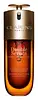
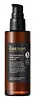
Clarins Double Serum Complete Age-Defying Concentrate Versus The Cocoon Vietnam Winter Melon Serum N15
This anti-aging serum is formulated around Squalane and Palmitoyl Tripeptide-1 to soften the look of wrinkles and hydrate skin.
This acne serum is formulated around Niacinamide and Mandelic Acid to clear breakouts and fade the look of dark spots.


What's inside
What's inside
 Key Ingredients
Benefits
Concerns
Ingredients Side-by-side
Water
Skin ConditioningSqualane
Emollient


Hexyl Laurate
Emollient

Glycerin
Humectant
Pentylene Glycol
Skin Conditioning
Propanediol
Solvent
Silybum Marianum Seed Oil
Skin Conditioning
Butylene Glycol
Humectant
Ethylene/Propylene/Styrene Copolymer
Parfum
Masking



Fructose
Humectant
Tromethamine
BufferingCarbomer
Emulsion StabilisingHydroxyacetophenone
Antioxidant
Avena Sativa Kernel Extract
Abrasive


Escin
TonicTocopheryl Acetate
Antioxidant

Ethylhexylglycerin
Skin ConditioningAloe Barbadensis Leaf Juice Powder
Skin Conditioning
Sodium Acetylated Hyaluronate
Humectant
Theobroma Cacao Extract
Skin ConditioningCaprylic/Capric Triglyceride
Masking
Aesculus Hippocastanum Extract
Antioxidant
Leontopodium Alpinum Flower/Leaf Extract
Skin ConditioningDisodium EDTA
Maltodextrin
Absorbent
Xanthan Gum
EmulsifyingButylene/Ethylene/Styrene Copolymer
Curcuma Longa Root Extract
Antioxidant
Persea Gratissima Oil Unsaponifiables
Skin Conditioning
Melissa Officinalis Leaf Extract
Skin ConditioningCaramel
Cosmetic ColorantHippophae Rhamnoides Kernel Extract
MaskingSodium Lactate
Buffering
Musa Sapientum Fruit Extract
Skin ConditioningOenothera Biennis Flower/Leaf/Stem Extract
Skin ConditioningHarungana Madagascariensis Extract
Skin ConditioningKalanchoe Pinnata Leaf Extract
MaskingMangifera Indica Leaf Extract
Skin ConditioningSodium Benzoate
Masking
Citric Acid
Buffering
Centaurea Cyanus Flower Extract
Astringent
Tocopherol
Antioxidant
Hedychium Coronarium Root Extract
MaskingCoco-Glucoside
Cleansing
Pentaerythrityl Tetra-Di-T-Butyl Hydroxyhydrocinnamate
Antioxidant
Dipsacus Sylvestris Extract
Skin ConditioningGlycine Soja Oil
Emollient

Arundo Donax Stem Extract
Skin ConditioningJania Rubens Extract
Skin ConditioningPotassium Sorbate
Preservative
Sodium Citrate
BufferingMalpighia Emarginata Seed Extract
Skin ConditioningArbutus Unedo Fruit Extract
Antioxidant
Palmitoyl Tripeptide-1
Skin Conditioning

CI 14700
Cosmetic ColorantPalmitoyl Tetrapeptide-7
Skin Conditioning
Water, Squalane, Hexyl Laurate, Glycerin, Pentylene Glycol, Propanediol, Silybum Marianum Seed Oil, Butylene Glycol, Ethylene/Propylene/Styrene Copolymer, Parfum, Fructose, Tromethamine, Carbomer, Hydroxyacetophenone, Avena Sativa Kernel Extract, Escin, Tocopheryl Acetate, Ethylhexylglycerin, Aloe Barbadensis Leaf Juice Powder, Sodium Acetylated Hyaluronate, Theobroma Cacao Extract, Caprylic/Capric Triglyceride, Aesculus Hippocastanum Extract, Leontopodium Alpinum Flower/Leaf Extract, Disodium EDTA, Maltodextrin, Xanthan Gum, Butylene/Ethylene/Styrene Copolymer, Curcuma Longa Root Extract, Persea Gratissima Oil Unsaponifiables, Melissa Officinalis Leaf Extract, Caramel, Hippophae Rhamnoides Kernel Extract, Sodium Lactate, Musa Sapientum Fruit Extract, Oenothera Biennis Flower/Leaf/Stem Extract, Harungana Madagascariensis Extract, Kalanchoe Pinnata Leaf Extract, Mangifera Indica Leaf Extract, Sodium Benzoate, Citric Acid, Centaurea Cyanus Flower Extract, Tocopherol, Hedychium Coronarium Root Extract, Coco-Glucoside, Pentaerythrityl Tetra-Di-T-Butyl Hydroxyhydrocinnamate, Dipsacus Sylvestris Extract, Glycine Soja Oil, Arundo Donax Stem Extract, Jania Rubens Extract, Potassium Sorbate, Sodium Citrate, Malpighia Emarginata Seed Extract, Arbutus Unedo Fruit Extract, Palmitoyl Tripeptide-1, CI 14700, Palmitoyl Tetrapeptide-7
Water
Skin ConditioningNiacinamide
Smoothing



Acetyl Glucosamine
Skin Conditioning
Cyclopentasiloxane
Emollient
Mandelic Acid
Antimicrobial
Hydrogenated Lecithin
Emulsifying
Ethoxydiglycol
HumectantAminomethyl Propanol
BufferingMelia Azadirachta Seed Oil
Emollient
Dimethyl Isosorbide
SolventCetyl Alcohol
Emollient
Aluminum Starch Octenylsuccinate
Absorbent
Benincasa Cerifera Fruit Extract
Skin ConditioningAcetyl Zingerone
Antioxidant
Ferulic Acid
Antimicrobial
Bisabolol
Antioxidant
Piroctone Olamine
Preservative
Tetrahydrodiferuloylmethane
Antioxidant
Tetrahydrodemethoxydiferuloylmethane
Antioxidant
Tetrahydrobisdemethoxydiferuloylmethane
Antioxidant
Haematococcus Pluvialis Extract
Antioxidant
Superoxide Dismutase
Antioxidant
Dimethylmethoxy Chromanol
Antioxidant
Polyacrylate Crosspolymer-6
Emulsion StabilisingPentylene Glycol
Skin Conditioning
Butylene Glycol
Humectant
Hydroxyacetophenone
Antioxidant
Caprylyl Methicone
Skin Conditioning
Dimethiconol
Emollient
Dimethicone/Vinyl Dimethicone Crosspolymer
Skin Conditioning
Caprylic/Capric Triglyceride
Masking
Tocopherol
Antioxidant
Tocopheryl Acetate
Antioxidant
Rosmarinus Officinalis Leaf Extract
AntimicrobialMelaleuca Alternifolia Leaf Oil
Antioxidant
Lavandula Angustifolia Flower Oil
Masking
Rosmarinus Officinalis Leaf Oil
Masking
Trisodium Ethylenediamine Disuccinate
Menthyl Lactate
Masking
Water, Niacinamide, Acetyl Glucosamine, Cyclopentasiloxane, Mandelic Acid, Hydrogenated Lecithin, Ethoxydiglycol, Aminomethyl Propanol, Melia Azadirachta Seed Oil, Dimethyl Isosorbide, Cetyl Alcohol, Aluminum Starch Octenylsuccinate, Benincasa Cerifera Fruit Extract, Acetyl Zingerone, Ferulic Acid, Bisabolol, Piroctone Olamine, Tetrahydrodiferuloylmethane, Tetrahydrodemethoxydiferuloylmethane, Tetrahydrobisdemethoxydiferuloylmethane, Haematococcus Pluvialis Extract, Superoxide Dismutase, Dimethylmethoxy Chromanol, Polyacrylate Crosspolymer-6, Pentylene Glycol, Butylene Glycol, Hydroxyacetophenone, Caprylyl Methicone, Dimethiconol, Dimethicone/Vinyl Dimethicone Crosspolymer, Caprylic/Capric Triglyceride, Tocopherol, Tocopheryl Acetate, Rosmarinus Officinalis Leaf Extract, Melaleuca Alternifolia Leaf Oil, Lavandula Angustifolia Flower Oil, Rosmarinus Officinalis Leaf Oil, Trisodium Ethylenediamine Disuccinate, Menthyl Lactate
Reviews
Ingredients Explained
These ingredients are found in both products.
Ingredients higher up in an ingredient list are typically present in a larger amount.
Butylene Glycol (or BG) is used within cosmetic products for a few different reasons:
Overall, Butylene Glycol is a safe and well-rounded ingredient that works well with other ingredients.
Though this ingredient works well with most skin types, some people with sensitive skin may experience a reaction such as allergic rashes, closed comedones, or itchiness.
Learn more about Butylene GlycolCaprylic/Capric Triglyceride (aka MCT Oil) is a lightweight emollient, solvent, and texture enhancer. It is considered a skin-softener by helping to prevent moisture loss.
Though it behaves like an oil, it is not technically one due to its chemical composition. One perk of this ingredient is that it is very stable, resistant to oxidation, and unlikely to go rancid.
In practice, that translates to a long shelf life and a consistently elegant skin feel.
While there is an assumption Caprylic Triglyceride can clog pores due to it being derived from coconut oil, there is no research supporting this. Just patch test if you have concerns.
Fractionated coconut oil and MCT Oil are both listed as Caprylic/Capric Triglyceride according to INCI. This is because INCI names are based on the ingredient’s final chemical composition and not its marketing name or source.
This ingredient is treated as the gold standard fungal acne safe oil. Even though it is coconut derived, the problematic lauric acid is stripped out.
This leaves just caprylic (C8) and capric (C10) acid. These chain lengths actually trend antifungal; a 2020 study found caprylic acid was enough to disrupt Malassezia furfur cell membrane, with a caprylic acid derivative damaging membrane structures at concentrations as low as 0.2%.
Learn more about Caprylic/Capric TriglycerideHydroxyacetophenone is a small phenolic molecule that earns its place in a formulas as an antioxidant and preservative booster.
As a phenol, it is able to neutralize free radicals to protect both the product and the skin from oxidative stress.
Though it can't kill microbes on its own, it works as a good supporting agent when combined with other preservatives like Phenoxyethanol or 1,2-Hexanediol.
This ingredient naturally occurs as piceol in Norwegian spruce needles (~0.4-1.1% dry weight and in cloudberries). Though the cosmetic-grade material is synthesized for purity and consistency.
You'll usually see it used at low levels and suppliers recommend up to 1% added to a water phase.
Safety testing was done at concentrations like 0.05% in SPF products and 0.5% in a Human Repeated Insult Patch Test. The safety evidence is assuring; this ingredient is safe for cosmetics in current use and also holds safety status as a food flavoring as well.
An honest caveat: the "soothing" and "anti-inflammatory" claims come mostly from supplier marketing rather than published clinical trials. The Cosmetic Ingredient Review's own literature search found no useful efficacy studies on this ingredient.
So the antioxidant and preservative-boosting roles are the well supported ones while the calming benefit is plausible but thinly evidenced.
Overall, this is a well-tolerated, low-irritation multitasker that quietly helps a formula stay fresh and stable.
Learn more about HydroxyacetophenonePentylene Glycol (1,2-pentanediol) is a multitasking little diol with three main roles in a formula:
Research on alkanediols (the family pentylene glycol belongs to) show they work by disrupting microbial cell membranes. This disruption helps the primary preservative system in a product work more effectively at lower doses.
On the safety side, the Cosmetic Ingredient Review Expert Panel has concluded this ingredient to be safe as used in current cosmetic practices + concentrations.
Typical use levels in a formula run about 1-5%.
Learn more about Pentylene GlycolTocopherol is a fat-soluble antioxidant known as Vitamin E.
You'll find this ingredient in the vast majority of skincare (for good reason). It works to neutralize free radicals, or unstable molecules generated by UV exposure, pollution, and other environmental stressors, before they can cause oxidative damage to your skin cells.
Topically applied tocopherol has been shown to protect against UV damage by ramping up the skin's own natural defense enzymes.
It also acts as a skin conditioning agent; some studies show that regular topical use can improve the skin's water-binding capacity over 2-4 weeks.
This ingredient is especially loved for being a team player. When combined with Vitamin C, the photoprotective effect of both ingredients roughly doubles and the combo also helps reduce UV-induced DNA damage.
This ingredient has some brightening potential but it's more of a prevention ingredient than spot-fader. Cell studies show it can slow down melanin production but it's worth noting that it's not the most powerful brightener out there.
In formulations, it also serves as a stabilizer that helps protect other oxidation-prone ingredients from degrading.
Concentrations usually range from 0.1-1% in most leave-on products.
Learn more about TocopherolTocopheryl Acetate is a stable, shelf-friendly form of vitamin E.
Formulators love it because plain vitamin E oxidizes quickly once it hits air. This acetate version stays stable and resists going off, helping to extend a product's shelf life.
It's actually inactive on its own and works like a slow-release "storage" form; the enzymes in your skin called esterases gradually convert it into active vitamin E over time.
One in vivo study showed 5% of the acetate in the living layer of the epidermis converted to vitamin E after 5 days of application. This study also found the skin gained protection against UV damage even though the conversion was slow and small.
Once converted, vitamin E acts as a skin's main fat-soluble antioxidant that fights free radicals to protect skin from damage.
Topical vitamin E generally boosts the skin's photoprotection, and it reduced UV-damage in animal models.
This ingredient has some brightening potential but it's more of a prevention ingredient than spot-fader. Cell studies show it can slow down melanin production but it's worth noting that it's not the most powerful brightener out there.
Overall, it has a pretty solid safety profile and has been found to be non-irritating and non-comedogenic. Allergic reactions may happen but stay rare due to how widely the ingredient gets used.
The concentration will vary depending on the formula; industry data shows 0.1% in baby lotions, 3% in lipsticks, and 5% in foot powders. You can also find this ingredient at 100% in a pure vitamin E oil.
Most leave-on skincare keeps it at the lower end, often between 0.5-1%.
Learn more about Tocopheryl AcetateWater. It's the most common cosmetic ingredient of all. You'll usually see it at the top of ingredient lists, meaning that it makes up the largest part of the product.
So why is it so popular? Water most often acts as a solvent - this means that it helps dissolve other ingredients into the formulation.
You'll also recognize water as that liquid we all need to stay alive. If you see this, drink a glass of water. Remember to stay hydrated!
Learn more about Water

