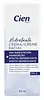
This barrier-repair moisturizer is formulated around Panthenol and Butyrospermum Parkii Butter to strengthen the skin barrier and hydrate skin.
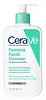
This mild gel cleanser is made to cleanse while respecting your skin barrier.


What's inside
What's inside
 Key Ingredients
Benefits
Concerns
Ingredients Side-by-side
Water
Skin ConditioningGlycerin
Humectant


Dibutyl Adipate
EmollientCetearyl Alcohol
Emollient






Propylheptyl Caprylate
EmollientDicaprylyl Carbonate
EmollientSodium Acrylate/Sodium Acryloyldimethyl Taurate Copolymer
Emulsion StabilisingPhenoxyethanol
Preservative
Dimethicone
Emollient
Polyisobutene
Panthenol
Skin Conditioning

Butyrospermum Parkii Butter
Skin Conditioning
Palmitic Acid
Emollient
Stearic Acid
Cleansing
Tocopheryl Acetate
Antioxidant


Disodium EDTA
ChelatingParfum
Masking


Sodium Levulinate
Skin ConditioningSodium Hydroxide
BufferingAllantoin
Skin Conditioning
Ethylparaben
Preservative

Methylparaben
Preservative
Benzoic Acid
Masking
Acrylates/C10-30 Alkyl Acrylate Crosspolymer
Emulsion StabilisingSodium Anisate
AntimicrobialDehydroacetic Acid
Preservative
Caprylyl/Capryl Glucoside
CleansingCaffeine
Skin Conditioning
Sodium Hyaluronate
Humectant
Panicum Miliaceum Extract
Skin ConditioningLinalool
Perfuming
Limonene
Perfuming
Chlorella Vulgaris/Lupinus Albus Protein Ferment
Skin ConditioningAlcohol Denat.
Antimicrobial

Benzyl Alcohol
Perfuming
Ubiquinone
Antioxidant
Benzyl Benzoate
Antimicrobial
Geraniol
Perfuming
Citronellol
Perfuming
Tocopherol
Antioxidant
Tannic Acid
AstringentEugenol
Perfuming
Coleus Forskohlii Root Extract
EmollientPotassium Sorbate
Preservative
Water, Glycerin, Dibutyl Adipate, Cetearyl Alcohol, Propylheptyl Caprylate, Dicaprylyl Carbonate, Sodium Acrylate/Sodium Acryloyldimethyl Taurate Copolymer, Phenoxyethanol, Dimethicone, Polyisobutene, Panthenol, Butyrospermum Parkii Butter, Palmitic Acid, Stearic Acid, Tocopheryl Acetate, Disodium EDTA, Parfum, Sodium Levulinate, Sodium Hydroxide, Allantoin, Ethylparaben, Methylparaben, Benzoic Acid, Acrylates/C10-30 Alkyl Acrylate Crosspolymer, Sodium Anisate, Dehydroacetic Acid, Caprylyl/Capryl Glucoside, Caffeine, Sodium Hyaluronate, Panicum Miliaceum Extract, Linalool, Limonene, Chlorella Vulgaris/Lupinus Albus Protein Ferment, Alcohol Denat., Benzyl Alcohol, Ubiquinone, Benzyl Benzoate, Geraniol, Citronellol, Tocopherol, Tannic Acid, Eugenol, Coleus Forskohlii Root Extract, Potassium Sorbate
Water
Skin ConditioningCocamidopropyl Hydroxysultaine
Cleansing
Glycerin
Humectant
Sodium Lauroyl Sarcosinate
CleansingPEG-150 Pentaerythrityl Tetrastearate
Emulsifying
Niacinamide
Smoothing




PEG-6 Caprylic/Capric Glycerides
EmulsifyingSodium Methyl Cocoyl Taurate
Cleansing
Propylene Glycol
Humectant
Ceramide NP
Skin Conditioning
Ceramide AP
Skin Conditioning
Ceramide EOP
Skin Conditioning
Carbomer
Emulsion StabilisingMethylparaben
Preservative
Sodium Chloride
MaskingSodium Lauroyl Lactylate
EmulsifyingCholesterol
Emollient
Disodium EDTA
ChelatingPropylparaben
Preservative
Citric Acid
Buffering
Tetrasodium EDTA
ChelatingHydrolyzed Hyaluronic Acid
Humectant
Phytosphingosine
Skin Conditioning
Xanthan Gum
EmulsifyingWater, Cocamidopropyl Hydroxysultaine, Glycerin, Sodium Lauroyl Sarcosinate, PEG-150 Pentaerythrityl Tetrastearate, Niacinamide, PEG-6 Caprylic/Capric Glycerides, Sodium Methyl Cocoyl Taurate, Propylene Glycol, Ceramide NP, Ceramide AP, Ceramide EOP, Carbomer, Methylparaben, Sodium Chloride, Sodium Lauroyl Lactylate, Cholesterol, Disodium EDTA, Propylparaben, Citric Acid, Tetrasodium EDTA, Hydrolyzed Hyaluronic Acid, Phytosphingosine, Xanthan Gum
Reviews
Ingredients Explained
These ingredients are found in both products.
Ingredients higher up in an ingredient list are typically present in a larger amount.
Disodium EDTA is a chelating agent. It grabs onto and deactivates metal ions that sneak into your products from water, packaging, or air.
This ingredient mainly works behind the scenes and helps with:
On top of that, this ingredient can counteract the effects of hard water by binding to the minerals in it.
One thing worth knowing is that Disodium EDTA has been shown to be a mild penetration enhancer. It can help other ingredients absorb into skin more effectively which can be a double-edged sword (great for actives, but can also make the active too strong if you have sensitive skin).
Clinical patch testing showed no significant skin irritation at typical use concentrations and minimal dermal absorption.
You'll most likely see this ingredient near the end of an ingredient list. It's typically found in concentrations less than 1%.
Learn more about Disodium EDTAGlycerin (or glycerol) is a compound naturally found in your skin. It's a powerhouse humectant that pulls water into the stratum corneum.
Topically, glycerin does several things at once:
Your skin makes glycerin on its own (mostly from sebaceous oil breakdown) and shuttles it to your outermost layer of skin, or your epidermis, via aquaporin-3.
Aquaporin-3 is a transporter that is essential for normal skin hydration, elasticity, and repair. Interestingly, mice lacking in AQP3 have dry and less elastic skin that can be fully corrected with glycerin.
This ingredient is non-irritating, plays well with almost every ingredient, and works across all skin types. Typical use is anywhere between 3-10% but can go up to 79% in some leave-on products.
Just know very high concentrations (>40%) can feel tacky in low humidity.
Glycerin is the name for this ingredient in American English. British English uses Glycerol/Glycerine.
Learn more about GlycerinMethylparaben is a synthetic preservative and one of the most widely used in the world. It has a simple, but important job: prevent your products from going bad by stopping bacteria, yeast, and mold from growing.
Typical use levels are low, often 0.1-0.3%.
This is also one of the most heavily studied preservatives out there and major regulatory bodies have repeatedly given it the green light.
In 2023, the EU's Scientific Committee on Consumer Safety (SCCS) confirmed that this ingredient is safe up to 0.4% on its own, of up to 0.8% when mixed with other paraben esters.
Here's the science behind the noise behind parabens/hormones as well:
Methylparaben shows very weak estrogen-like activity in vitro tests (more than 1,000x weaker than your body's own estradiol). In vivo (live-organism) studies don't support a meaningful endocrine-disrupting effect either.
You get a stronger estrogenic effect from eating tofu, actually.
It's also a low sensitizer and allergic reactions are uncommon; they usually happen on damage or broken skin.
There is a caveat: France has proposed to formally re-examine its endocrine classification in 2025 so the regulatory conversation isn't fully closed as of yet.
But as it stands today, this ingredient is considered safe at permitted levels.
Learn more about MethylparabenWater. It's the most common cosmetic ingredient of all. You'll usually see it at the top of ingredient lists, meaning that it makes up the largest part of the product.
So why is it so popular? Water most often acts as a solvent - this means that it helps dissolve other ingredients into the formulation.
You'll also recognize water as that liquid we all need to stay alive. If you see this, drink a glass of water. Remember to stay hydrated!
Learn more about Water

