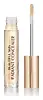
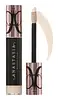
Charlotte Tilbury Beautiful Skin Radiant Concealer Versus Anastasia Beverly Hills Magic Touch Concealer


What's inside
What's inside
 Key Ingredients
Benefits
Concerns
Ingredients Side-by-side
Water
Skin ConditioningDicaprylyl Ether
Emollient
Polyglyceryl-3 Polyricinoleate
Emulsifying

Glycerin
Humectant

Coco-Caprylate/Caprate
Emollient
Polyglyceryl-3 Diisostearate
Emulsifying


Niacinamide
Smoothing









Mica
Cosmetic ColorantHydrogenated Castor Oil
Emollient
Acacia Decurrens/Jojoba/Sunflower Seed Wax Polyglyceryl-3 Esters
EmollientCollagen
Moisturising
Magnesium Sulfate
Silica
Abrasive
Lauroyl Lysine
Skin Conditioning
Aluminum Hydroxide
EmollientSqualane
Emollient
Levulinic Acid
Perfuming

Sodium Dehydroacetate
Preservative
Sodium Levulinate
Skin ConditioningTocopherol
Antioxidant

Sodium Lauroyl Glutamate
SurfactantCamellia Japonica Seed Oil
Emollient
Hydrolyzed Sodium Hyaluronate
Skin Conditioning
Helianthus Annuus Seed Oil
Emollient
Lysine
Skin ConditioningParfum
Masking
Magnesium Chloride
Sorbitol
Humectant
Propanediol
Solvent
Caprylic/Capric Triglyceride
Masking
Cetyl Palmitate
Emollient
1,2-Hexanediol
Skin Conditioning
Caprylyl Glycol
Emollient
Polysorbate 80
Emulsifying
Sorbitan Stearate
Emulsifying
Xanthan Gum
EmulsifyingSodium Benzoate
Masking
Citric Acid
Buffering
Hydrogenated Lecithin
Emulsifying
Ascorbic Acid
Antioxidant
Colloidal Gold
AntimicrobialGlutathione
Palmitoyl Tetrapeptide-10
Skin Conditioning
CI 77891
Cosmetic ColorantIron Oxides
Water, Dicaprylyl Ether, Polyglyceryl-3 Polyricinoleate, Glycerin, Coco-Caprylate/Caprate, Polyglyceryl-3 Diisostearate, Niacinamide, Mica, Hydrogenated Castor Oil, Acacia Decurrens/Jojoba/Sunflower Seed Wax Polyglyceryl-3 Esters, Collagen, Magnesium Sulfate, Silica, Lauroyl Lysine, Aluminum Hydroxide, Squalane, Levulinic Acid, Sodium Dehydroacetate, Sodium Levulinate, Tocopherol, Sodium Lauroyl Glutamate, Camellia Japonica Seed Oil, Hydrolyzed Sodium Hyaluronate, Helianthus Annuus Seed Oil, Lysine, Parfum, Magnesium Chloride, Sorbitol, Propanediol, Caprylic/Capric Triglyceride, Cetyl Palmitate, 1,2-Hexanediol, Caprylyl Glycol, Polysorbate 80, Sorbitan Stearate, Xanthan Gum, Sodium Benzoate, Citric Acid, Hydrogenated Lecithin, Ascorbic Acid, Colloidal Gold, Glutathione, Palmitoyl Tetrapeptide-10, CI 77891, Iron Oxides
Water
Skin ConditioningBehenyl Dimethicone
Skin Conditioning
Bis-Stearyl Dimethicone
Emollient
Glycerin
Humectant
Caprylyl Methicone
Skin Conditioning
C12-15 Alkyl Benzoate
AntimicrobialEthylhexyl Palmitate
Emollient
Polyglyceryl-4 Isostearate
Emulsifying
Cetyl PEG/PPG-10/1 Dimethicone
Emulsifying
Diphenyl Dimethicone
Emollient
Disteardimonium Hectorite
StabilisingAluminum Hydroxide
EmollientSodium Chloride
Masking1,2-Hexanediol
Skin Conditioning
Caprylyl Glycol
Emollient
Helianthus Annuus Seed Oil
Emollient
Talc
Abrasive
Ammonium Glycyrrhizate
MaskingDisodium EDTA
ChelatingSodium Lauroyl Glutamate
SurfactantXanthan Gum
EmulsifyingLysine
Skin ConditioningRosmarinus Officinalis Leaf Extract
AntimicrobialTocopherol
Antioxidant
Magnesium Chloride
Lecithin
Emollient
Ascorbyl Palmitate
Antioxidant
Glyceryl Stearate
Emollient
Glyceryl Oleate
Emollient
Synthetic Fluorphlogopite
Sodium Hyaluronate
Humectant
Hydrogen Dimethicone
Methicone
Emollient
Citric Acid
Buffering
Pentaerythrityl Tetra-Di-T-Butyl Hydroxyhydrocinnamate
Antioxidant
Phenoxyethanol
Preservative
CI 77891
Cosmetic ColorantIron Oxides
CI 77288
Cosmetic ColorantCI 42090
Cosmetic ColorantWater, Behenyl Dimethicone, Bis-Stearyl Dimethicone, Glycerin, Caprylyl Methicone, C12-15 Alkyl Benzoate, Ethylhexyl Palmitate, Polyglyceryl-4 Isostearate, Cetyl PEG/PPG-10/1 Dimethicone, Diphenyl Dimethicone, Disteardimonium Hectorite, Aluminum Hydroxide, Sodium Chloride, 1,2-Hexanediol, Caprylyl Glycol, Helianthus Annuus Seed Oil, Talc, Ammonium Glycyrrhizate, Disodium EDTA, Sodium Lauroyl Glutamate, Xanthan Gum, Lysine, Rosmarinus Officinalis Leaf Extract, Tocopherol, Magnesium Chloride, Lecithin, Ascorbyl Palmitate, Glyceryl Stearate, Glyceryl Oleate, Synthetic Fluorphlogopite, Sodium Hyaluronate, Hydrogen Dimethicone, Methicone, Citric Acid, Pentaerythrityl Tetra-Di-T-Butyl Hydroxyhydrocinnamate, Phenoxyethanol, CI 77891, Iron Oxides, CI 77288, CI 42090
Ingredients Explained
These ingredients are found in both products.
Ingredients higher up in an ingredient list are typically present in a larger amount.
1,2-Hexanediol is a synthetic liquid and another multi-functional powerhouse.
It is a:
- Humectant, drawing moisture into the skin
- Emollient, helping to soften skin
- Solvent, dispersing and stabilizing formulas
- Preservative booster, enhancing the antimicrobial activity of other preservatives
Aluminum Hydroxide is a form of aluminum. It can be naturally found in nature as the mineral gibbsite. In cosmetics, Aluminum Hydroxide is used as a colorant, pH adjuster, and absorbent.
As a colorant, Aluminum Hydroxide may add opacity, or reduce the transparency. Aluminum hydroxide is contains both basic and acidic properties.
According to manufacturers, this ingredient is an emollient and humectant. This means it helps hydrate the skin.
In medicine, this ingredient is used to help relieve heartburn and help heal ulcers.
There is currently no credible scientific evidence linking aluminum hydroxide in cosmetics to increased cancer risk.
Major health organizations allow the use of aluminum hydroxide in personal care products and have not flagged it as a carcinogenic risk at typical usage levels.
Learn more about Aluminum HydroxideCaprylyl Glycol is a humectant, skin conditioner, emollient, and preservative booster derived from either caprylic acid or synthetically created.
Typical use levels vary from 0.3-1% as a preservative booster and go up to 2% to condition skin.
Because it is not a free-fatty acid, this ingredient is fungal acne safe (there's nothing for Malassezia to feed on).
Learn more about Caprylyl GlycolCi 77891 is a white pigment from Titanium dioxide. It is naturally found in minerals such as rutile and ilmenite.
It's main function is to add a white color to cosmetics. It can also be mixed with other colors to create different shades.
Ci 77891 is commonly found in sunscreens due to its ability to block UV rays.
Learn more about CI 77891Citric Acid is an alpha hydroxy acid (AHA) naturally found in citrus fruits like oranges, lemons, and limes.
Like other AHAs, citric acid can exfoliate skin by breaking down the bonds that hold dead skin cells together. This helps reveal smoother and brighter skin underneath.
However, this exfoliating effect only happens at high concentrations (20%) which can be hard to find in cosmetic products.
Due to this, citric acid is usually included in small amounts as a pH adjuster. This helps keep products slightly more acidic and compatible with skin's natural pH.
In skincare formulas, citric acid can:
While it can provide some skin benefits, research shows lactic acid and glycolic acid are generally more effective and less irritating exfoliants.
Most citric acid used in skincare today is made by fermenting sugars (usually from molasses). This synthetic version is identical to the natural citrus form but easier to stabilize and use in formulations.
Rosacea skin has a lower threshold for acids generally, with 62.5% of rosacea subjects in one study reacting to lactic acid in a sting test. This is why we mark citric acid as a potential rosacea trigger.
However, this ingredient shows up as a pH adjuster or chelator at roughly 0.1-1% in many products. These low levels are unlikely to be an issue for rosacea skin and becomes a potential trigger at exfoliating concentrations (20%). Because everybody's skin is unique, we recommend a patch test if you are unsure.
Learn more about Citric AcidGlycerin (or glycerol) is a compound naturally found in your skin. It's a powerhouse humectant that pulls water into the stratum corneum.
Topically, glycerin does several things at once:
Your skin makes glycerin on its own (mostly from sebaceous oil breakdown) and shuttles it to your outermost layer of skin, or your epidermis, via aquaporin-3.
Aquaporin-3 is a transporter that is essential for normal skin hydration, elasticity, and repair. Interestingly, mice lacking in AQP3 have dry and less elastic skin that can be fully corrected with glycerin.
This ingredient is non-irritating, plays well with almost every ingredient, and works across all skin types. Typical use is anywhere between 3-10% but can go up to 79% in some leave-on products.
Just know very high concentrations (>40%) can feel tacky in low humidity.
Glycerin is the name for this ingredient in American English. British English uses Glycerol/Glycerine.
Learn more about GlycerinHelianthus Annuus Seed Oil is a plant oil derived from the seeds of a sunflower.
It is rich in fatty acids, primarily linoleic acid and oleic acid. This gives it emollient and skin conditioning properties.
The reason this ingredient is so effective is because it forms a thin film on the skin that reduces transepidermal water loss (TEWL) while supplying linoleic acid to the stratum corneum to improve barrier strength.
The high linoleic acid content is particularly noteworthy for acne-prone skin.
Research suggests that acne-prone skin tends to be deficient in linoleic acid in sebum. Topical application may help replenish this to support a healthier follicular environment and less comedone-promoting sebum.
One randomized study found sunflower seed oil preserved skin barrier integrity in adult volunteers with and without atopic dermatitis (outperforming olive oil).
This ingredient is well-studied, gentle, and an effective emollient suitable for most skin types.
On fungal acne: This ingredient may not be Fungal acne (Malassezia folliculitis) safe. This is because it contains fatty acids with carbon chain lengths in the C11-C24 range.
Learn more about Helianthus Annuus Seed OilLysine is an essential amino acid (your body cannot make it on its own). It has skin conditioning properties and one of the key players in collagen synthesis.
When your body creates collagen, lysine is basically the glue that holds everything together. It helps collagen fibers lock into each other and stay strong, with vitamin C being its trusty sidekick. Without enough lysine, this glue gets flimsy and less firm, resulting in less bouncy skin.
In skincare, lysine is mostly there to help keep your skin moisturized. It carries water through your skin's layers so everything stays plump.
So will putting lysine on your face create bouncier skin?
It's hard to say; most of the exciting collagen research on lysine comes from oral supplements or lab studies on mice. Further research is needed to truly understand what role topical lysine plays in skincare and your skin.
However, there's no harm in adding lysine to your routine as a supportive and hydrating ingredient.
Learn more about LysineMagnesium chloride is a mineral salt made from magnesium and chloride. It is mainly used to control product stability and texture in cosmetics.
This ingredient can also play a role in soothing the skin and supporting normal skin function.
Magnesium chloride is water-soluble, generally well tolerated, and does not act as a strong “active” ingredient on its own.
Learn more about Magnesium ChlorideSodium Lauroyl Glutamate is an amino-acid based mild surfactant that is used in formulas as a primary or secondary cleansing agent. This means it helps lift away oil, dirt, and makeup.
You'll see this ingredient in facial cleansers, shampoos, and even toothpaste because it foams reasonably well while being much gentler than harsher surfactants like SLS.
A study comparing surfactant mixtures found that Sodium Lauroyl Glutamate caused visibly less disruption to skin lipid structure and less irritation than SLS when tested on human subjects; this correlated with the data from in vivo results as well.
The Tenside, Surfactants, Detergents cosmetics industry journal has also concluded that amino acid based surfactants are generally milder than their corresponding alkyl sulfate counterparts. They also stated glutamates in particular are considered one of the gentler options in the category.
The Cosmetic Ingredient Review (CIR) Expert Panel has reviewed dermal irritation and sensitization data for this ingredient at the highest reported use concentration and concluded it to be safe in present practices.
Typical use concentrations tend to run low (generally less than 10%) though the CIR's review noted the highest reported use concentration was 40% as a raw material blend (and not a diluted finished cosmetic product).
Learn more about Sodium Lauroyl GlutamateTocopherol is a fat-soluble antioxidant known as Vitamin E.
You'll find this ingredient in the vast majority of skincare (for good reason). It works to neutralize free radicals, or unstable molecules generated by UV exposure, pollution, and other environmental stressors, before they can cause oxidative damage to your skin cells.
Topically applied tocopherol has been shown to protect against UV damage by ramping up the skin's own natural defense enzymes.
It also acts as a skin conditioning agent; some studies show that regular topical use can improve the skin's water-binding capacity over 2-4 weeks.
This ingredient is especially loved for being a team player. When combined with Vitamin C, the photoprotective effect of both ingredients roughly doubles and the combo also helps reduce UV-induced DNA damage.
This ingredient has some brightening potential but it's more of a prevention ingredient than spot-fader. Cell studies show it can slow down melanin production but it's worth noting that it's not the most powerful brightener out there.
In formulations, it also serves as a stabilizer that helps protect other oxidation-prone ingredients from degrading.
Concentrations usually range from 0.1-1% in most leave-on products.
Learn more about TocopherolWater. It's the most common cosmetic ingredient of all. You'll usually see it at the top of ingredient lists, meaning that it makes up the largest part of the product.
So why is it so popular? Water most often acts as a solvent - this means that it helps dissolve other ingredients into the formulation.
You'll also recognize water as that liquid we all need to stay alive. If you see this, drink a glass of water. Remember to stay hydrated!
Learn more about WaterXanthan gum is used as a stabilizer and thickener within cosmetic products. It helps give products a sticky, thick feeling - preventing them from being too runny.
On the technical side of things, xanthan gum is a polysaccharide - a combination consisting of multiple sugar molecules bonded together.
Xanthan gum is a pretty common and great ingredient. It is a natural, non-toxic, non-irritating ingredient that is also commonly used in food products.
Learn more about Xanthan GumThis ingredient is a combination of red, black, and yellow iron oxide pigments. This combination of colors is usually found in foundation, because it results in a "skin" color.
The EU typically uses CI numbers for colorants when applicable, such as CI 77489. In the US, iron oxides are regulated as color additives and "iron oxides" is the most commonly used name in US cosmetic practice.
A 2021 paper looked at skincare formulations containing iron oxides and found that they reduced transmission of blue light when measured optically. In simple terms, the pigment particles helped block or scatter part of the visible light spectrum in lab testing and the authors suggest this could translate into better protection against blue-light-related skin effects.
There is also clinical and experimental research showing that tinted products containing iron oxides can reduce visible light-induced pigmentation:
Please note, whether a product reduces visible or blue light depends on things like:
In the EU's CosIng database, iron oxides are only listed as a colorant. CosIng groups ingredients by their main cosmetic role, such as colorant, preservative, or UV filter.
Though studies say iron oxides can "attenuate blue light", they're describing an optical property and not an officially recognized cosmetic function.
So CosIng isn’t contradicting the research. It’s just classifying iron oxides by what they officially are: pigments that add color.
Learn more about Iron Oxides

