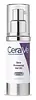
This barrier-repair oil is formulated around Caprylic/Capric Triglyceride and Ceramide NP to strengthen the skin barrier and hydrate skin.
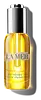
This hydrating oil is formulated around Limnanthes Alba Seed Oil and Simmondsia Chinensis Seed Oil to hydrate skin.

What's inside
What's inside
 Key Ingredients
Benefits
Concerns
Ingredients Side-by-side
Caprylic/Capric Triglyceride
Masking


C12-15 Alkyl Benzoate
AntimicrobialEthylhexyl Palmitate
Emollient




Glycerin
Humectant
Caprylic/Capric Glycerides
EmollientPropylheptyl Caprylate
EmollientWater
Skin ConditioningSucrose Laurate
Emollient
Sucrose Stearate
EmollientCeramide NP
Skin Conditioning



Ceramide Ns
Skin Conditioning
Ceramide AP
Skin Conditioning
Ceramide EOP
Skin Conditioning
Ceramide Eos
Skin Conditioning
Ceteareth-25
CleansingBehenic Acid
Cleansing
Helianthus Annuus Extract
Emollient
Sodium Hyaluronate Crosspolymer
Humectant
Cholesterol
Emollient
Rosmarinus Officinalis Leaf Extract
AntimicrobialPhenoxyethanol
Preservative
Tocopherol
Antioxidant



Chlorphenesin
Antimicrobial
Ascorbyl Palmitate
Antioxidant
Sucrose Palmitate
EmollientCaprylyl Glycol
Emollient
Hydroxymethoxyphenyl Decanone
Skin ConditioningCaprooyl Phytosphingosine
Skin Conditioning
Caprooyl Sphingosine
Skin ConditioningPentylene Glycol
Skin Conditioning
Cetyl Alcohol
Emollient
Ethylhexylglycerin
Skin ConditioningOryza Sativa Bran Extract
Skin Conditioning
Caprylic/Capric Triglyceride, C12-15 Alkyl Benzoate, Ethylhexyl Palmitate, Glycerin, Caprylic/Capric Glycerides, Propylheptyl Caprylate, Water, Sucrose Laurate, Sucrose Stearate, Ceramide NP, Ceramide Ns, Ceramide AP, Ceramide EOP, Ceramide Eos, Ceteareth-25, Behenic Acid, Helianthus Annuus Extract, Sodium Hyaluronate Crosspolymer, Cholesterol, Rosmarinus Officinalis Leaf Extract, Phenoxyethanol, Tocopherol, Chlorphenesin, Ascorbyl Palmitate, Sucrose Palmitate, Caprylyl Glycol, Hydroxymethoxyphenyl Decanone, Caprooyl Phytosphingosine, Caprooyl Sphingosine, Pentylene Glycol, Cetyl Alcohol, Ethylhexylglycerin, Oryza Sativa Bran Extract
Limnanthes Alba Seed Oil
Skin Conditioning
Dimethicone
Emollient
Caprylic/Capric Triglyceride
Masking
Water
Skin ConditioningTrisiloxane
Skin Conditioning
Prunus Amygdalus Dulcis Oil
Skin Conditioning
Simmondsia Chinensis Seed Oil
Emollient
Polydecene
Skin ConditioningHydrogenated Polydecene
EmollientButylene Glycol
Humectant
Propanediol
Solvent
Glycerin
Humectant
Algae Extract
Emollient
Brassica Campestris Seed Oil
Skin Conditioning
Helianthus Annuus Seed Oil
Emollient
Sesamum Indicum Seed Oil
Emollient
Eucalyptus Globulus Leaf Oil
Perfuming



Camelina Sativa Seed Oil
Skin Conditioning
Oxycoccus Palustris Seed Oil
Antioxidant
Olea Europaea Fruit Oil
Masking
Hippophae Rhamnoides Oil
Emollient
Medicago Sativa Seed Powder
Skin ConditioningHelianthus Annuus Seedcake
Abrasive
Prunus Amygdalus Dulcis Seed Meal
Abrasive
Sodium Gluconate
Skin ConditioningCopper Gluconate
Skin Conditioning
Calcium Gluconate
HumectantMagnesium Gluconate
Skin ConditioningZinc Gluconate
Skin Conditioning



Tocopheryl Succinate
Antioxidant
Niacin
SmoothingSesamum Indicum Seed Powder
Skin ConditioningLaminaria Ochroleuca Extract
Skin Conditioning
Laminaria Saccharina Extract
Skin Protecting
Hydrolyzed Algin
Sea Salt
Abrasive
Chlorella Vulgaris Extract
Skin ConditioningSalicornia Herbacea Extract
Skin ConditioningSigesbeckia Orientalis Extract
Skin ConditioningLaminaria Digitata Extract
Skin Protecting
Rosmarinus Officinalis Leaf Extract
AntimicrobialMagnolia Officinalis Bark Extract
Antimicrobial
Faex Extract
Skin ConditioningCrithmum Maritimum Extract
Skin ConditioningCommiphora Mukul Resin Extract
Skin ConditioningCitrus Aurantifolia Peel Extract
Cleansing
Molasses Extract
Skin ConditioningSucrose
Humectant
Acetyl Hexapeptide-8
Humectant
Acetyl Glucosamine
Skin Conditioning
Caffeine
Skin Conditioning
Tocopheryl Acetate
Antioxidant
Phenyl Trimethicone
Skin Conditioning
Sodium Chloride
MaskingTetrahexyldecyl Ascorbate
Antioxidant
Alcohol Denat.
Antimicrobial

Parfum
Masking
Hexyl Cinnamal
Perfuming
Linalool
Perfuming
Amyl Cinnamal
Perfuming
Geraniol
Perfuming
Limonene
Perfuming
Citral
Perfuming
Benzyl Benzoate
Antimicrobial
Coumarin
Perfuming
Citronellol
Perfuming
BHT
Antioxidant
Phenoxyethanol
Preservative
CI 19140
Cosmetic ColorantCI 15985
Cosmetic ColorantLimnanthes Alba Seed Oil, Dimethicone, Caprylic/Capric Triglyceride, Water, Trisiloxane, Prunus Amygdalus Dulcis Oil, Simmondsia Chinensis Seed Oil, Polydecene, Hydrogenated Polydecene, Butylene Glycol, Propanediol, Glycerin, Algae Extract, Brassica Campestris Seed Oil, Helianthus Annuus Seed Oil, Sesamum Indicum Seed Oil, Eucalyptus Globulus Leaf Oil, Camelina Sativa Seed Oil, Oxycoccus Palustris Seed Oil, Olea Europaea Fruit Oil, Hippophae Rhamnoides Oil, Medicago Sativa Seed Powder, Helianthus Annuus Seedcake, Prunus Amygdalus Dulcis Seed Meal, Sodium Gluconate, Copper Gluconate, Calcium Gluconate, Magnesium Gluconate, Zinc Gluconate, Tocopheryl Succinate, Niacin, Sesamum Indicum Seed Powder, Laminaria Ochroleuca Extract, Laminaria Saccharina Extract, Hydrolyzed Algin, Sea Salt, Chlorella Vulgaris Extract, Salicornia Herbacea Extract, Sigesbeckia Orientalis Extract, Laminaria Digitata Extract, Rosmarinus Officinalis Leaf Extract, Magnolia Officinalis Bark Extract, Faex Extract, Crithmum Maritimum Extract, Commiphora Mukul Resin Extract, Citrus Aurantifolia Peel Extract, Molasses Extract, Sucrose, Acetyl Hexapeptide-8, Acetyl Glucosamine, Caffeine, Tocopheryl Acetate, Phenyl Trimethicone, Sodium Chloride, Tetrahexyldecyl Ascorbate, Alcohol Denat., Parfum, Hexyl Cinnamal, Linalool, Amyl Cinnamal, Geraniol, Limonene, Citral, Benzyl Benzoate, Coumarin, Citronellol, BHT, Phenoxyethanol, CI 19140, CI 15985
Ingredients Explained
These ingredients are found in both products.
Ingredients higher up in an ingredient list are typically present in a larger amount.
Caprylic/Capric Triglyceride (aka MCT Oil) is a lightweight emollient, solvent, and texture enhancer. It is considered a skin-softener by helping to prevent moisture loss.
Though it behaves like an oil, it is not technically one due to its chemical composition. One perk of this ingredient is that it is very stable, resistant to oxidation, and unlikely to go rancid.
In practice, that translates to a long shelf life and a consistently elegant skin feel.
While there is an assumption Caprylic Triglyceride can clog pores due to it being derived from coconut oil, there is no research supporting this. Just patch test if you have concerns.
Fractionated coconut oil and MCT Oil are both listed as Caprylic/Capric Triglyceride according to INCI. This is because INCI names are based on the ingredient’s final chemical composition and not its marketing name or source.
This ingredient is treated as the gold standard fungal acne safe oil. Even though it is coconut derived, the problematic lauric acid is stripped out.
This leaves just caprylic (C8) and capric (C10) acid. These chain lengths actually trend antifungal; a 2020 study found caprylic acid was enough to disrupt Malassezia furfur cell membrane, with a caprylic acid derivative damaging membrane structures at concentrations as low as 0.2%.
Learn more about Caprylic/Capric TriglycerideGlycerin (or glycerol) is a compound naturally found in your skin. It's a powerhouse humectant that pulls water into the stratum corneum.
Topically, glycerin does several things at once:
Your skin makes glycerin on its own (mostly from sebaceous oil breakdown) and shuttles it to your outermost layer of skin, or your epidermis, via aquaporin-3.
Aquaporin-3 is a transporter that is essential for normal skin hydration, elasticity, and repair. Interestingly, mice lacking in AQP3 have dry and less elastic skin that can be fully corrected with glycerin.
This ingredient is non-irritating, plays well with almost every ingredient, and works across all skin types. Typical use is anywhere between 3-10% but can go up to 79% in some leave-on products.
Just know very high concentrations (>40%) can feel tacky in low humidity.
Glycerin is the name for this ingredient in American English. British English uses Glycerol/Glycerine.
Learn more about GlycerinPhenoxyethanol is one of the most widely used preservatives in skincare (and for good reason!).
It has a large spectrum of antimicrobial activity and especially effective bacteria, yeast, and mold while only having a weak effect on your skin's natural microbiome.
On a cellular level, it disrupts the cell membranes of microbes by poking holes that make the cell leak. This shuts down the chemical reactions the microbe needs to make energy so it can no longer survive.
Another perk of this ingredient is that it stays functional across a wide pH range (3-10).
You'll often see it paired with boosters like Ethylhexylglycerin; one study showed that a 1:9 ratio of Ethylhexylglycerin to Phenoxyethanol damages bacterial membranes as effectively as doubling the Phenoxyethanol concentration on its own.
Typical use concentrations range from 0.3-1% depending on the formula, and this ingredient is capped at 1% int the EU.
Safety-wise, the fear mongering does not hold up to the evidence. The EU's Scientific Committee on Consumer Safety and FDA consider it safe as a preservative at up to 1%, including for children of all ages.
Adverse systemic effects only showed up in animal studies at exposures roughly 200x higher than what people get from cosmetics. And despite its very widespread use, this ingredient is a rare sensitizer and allergic reactions are uncommon.
Learn more about PhenoxyethanolThis is a botanical extract from the rosemary plant (the same one you cook with). In skincare, it mostly works as a skin conditioning agent.
Its activity comes from a handful of polyphenols, carnosic acid, carnosol, and rosmarinic acid. Almost 90% of the antioxidant activity of this ingredient can be attributed to canosol and carnosic acid.
These compounds protect your skin two ways:
1) They fight off free radicals, or the unstable molecules from things like sun and pollution that age and damage skin.
2) They help calm inflammation by switching off the chemical signals that tell skin to get red and irritated.
Lab studies also suggest that rosmarinic acid may help protect collagen and slow sugar-related damage to it.
The Cosmetic Ingredient Review has concluded rosemary-derived ingredients to be safe when formulated to be non-sensitizing.
Rosemary can occasionally cause allergic contact dermatitis (due to carnosol), so be sure to patch test if you have reactive or fragrance-sensitive skin.
Learn more about Rosmarinus Officinalis Leaf ExtractWater. It's the most common cosmetic ingredient of all. You'll usually see it at the top of ingredient lists, meaning that it makes up the largest part of the product.
So why is it so popular? Water most often acts as a solvent - this means that it helps dissolve other ingredients into the formulation.
You'll also recognize water as that liquid we all need to stay alive. If you see this, drink a glass of water. Remember to stay hydrated!
Learn more about Water

