

What's inside
What's inside
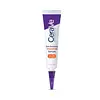 Key Ingredients
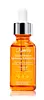
Benefits
Concerns
Ingredients Side-by-side
Water
Skin ConditioningAscorbic Acid
Antioxidant








Glycerin
Humectant

Dimethicone
Emollient
Cetearyl Ethylhexanoate
Emollient
Alcohol Denat.
Antimicrobial





Sodium Hydroxide
BufferingAmmonium Polyacryloyldimethyl Taurate
Emulsion StabilisingPanthenol
Skin Conditioning
Ceramide NP
Skin Conditioning
Ceramide AP
Skin Conditioning
Ceramide EOP
Skin Conditioning
Carbomer
Emulsion StabilisingCetearyl Alcohol
Emollient

Behentrimonium Methosulfate

Sodium Hyaluronate
Humectant
Sodium Lauroyl Lactylate
EmulsifyingCholesterol
Emollient
Phenoxyethanol
Preservative
Tocopheryl Acetate
Antioxidant
Disodium EDTA
Isopropyl Myristate
Emollient
Caprylyl Glycol
Emollient
Xanthan Gum
EmulsifyingPhytosphingosine
Skin Conditioning
Ethylhexylglycerin
Skin ConditioningWater, Ascorbic Acid, Glycerin, Dimethicone, Cetearyl Ethylhexanoate, Alcohol Denat., Sodium Hydroxide, Ammonium Polyacryloyldimethyl Taurate, Panthenol, Ceramide NP, Ceramide AP, Ceramide EOP, Carbomer, Cetearyl Alcohol, Behentrimonium Methosulfate, Sodium Hyaluronate, Sodium Lauroyl Lactylate, Cholesterol, Phenoxyethanol, Tocopheryl Acetate, Disodium EDTA, Isopropyl Myristate, Caprylyl Glycol, Xanthan Gum, Phytosphingosine, Ethylhexylglycerin
Hippophae Rhamnoides Fruit Extract
Skin Conditioning
Methylpropanediol
SolventGlycerin
Humectant
Niacinamide
Smoothing


Dipropylene Glycol
HumectantSodium Hyaluronate
Humectant
PEG-40 Hydrogenated Castor Oil
Emulsifying
Centella Asiatica Extract
Cleansing
Polygonum Cuspidatum Root Extract
Antioxidant
Scutellaria Baicalensis Root Extract
AstringentCamellia Sinensis Leaf Extract
Antimicrobial
Glycyrrhiza Glabra Root Extract
Bleaching
Chamomilla Recutita Flower Extract
Masking
Rosmarinus Officinalis Leaf Extract
AntimicrobialPanthenol
Skin Conditioning
Betaine
Humectant
Ascorbic Acid
Antioxidant
Hydroxyacetophenone
Antioxidant
Pentylene Glycol
Skin ConditioningCaprylyl Glycol
Emollient
Butylene Glycol
Humectant
Chlorphenesin
Antimicrobial
Carbomer
Emulsion StabilisingArginine
Masking
Disodium EDTA
Pelargonium Graveolens Flower Oil
Masking

Cymbopogon Martini Oil
Masking
Cananga Odorata Flower Oil
Masking
Citrus Aurantium Bergamia Peel Oil
Rosa Damascena Flower Oil
Masking
Hippophae Rhamnoides Fruit Extract, Methylpropanediol, Glycerin, Niacinamide, Dipropylene Glycol, Sodium Hyaluronate, PEG-40 Hydrogenated Castor Oil, Centella Asiatica Extract, Polygonum Cuspidatum Root Extract, Scutellaria Baicalensis Root Extract, Camellia Sinensis Leaf Extract, Glycyrrhiza Glabra Root Extract, Chamomilla Recutita Flower Extract, Rosmarinus Officinalis Leaf Extract, Panthenol, Betaine, Ascorbic Acid, Hydroxyacetophenone, Pentylene Glycol, Caprylyl Glycol, Butylene Glycol, Chlorphenesin, Carbomer, Arginine, Disodium EDTA, Pelargonium Graveolens Flower Oil, Cymbopogon Martini Oil, Cananga Odorata Flower Oil, Citrus Aurantium Bergamia Peel Oil, Rosa Damascena Flower Oil
Reviews
Ingredients Explained
These ingredients are found in both products.
Ingredients higher up in an ingredient list are typically present in a larger amount.
Ascorbic Acid is is pure Vitamin C. This form makes up the largest amount of vitamin C found naturally in our skin.
Not only is vitamin C great for your overall health and immune system, it also has plenty of benefits on your skin.
Vitamin C is best used for brightening skin. It improves dark spots, acne scars, and hyperpigmentation. This is because it blocks the process of skin darkening when exposed to UV.
Remember: Vitamin C should not replace sunscreen!
Your skin uses vitamin C to build collagen. Collagen is one key component in having a strong skin barrier and plump skin. Vitamin C also plays a role in regulating collagen, thus making it effective in improving wrinkles and fine lines.
Ascorbic acid shows potent antioxidant activity. As an antioxidant, it helps fight free-radicals. Free-radicals are molecules that may damage your skin cells. These antioxidants also protect skin against UV damage.
The best formulations include Vitamin E and/or ferulic acid. These two ingredients help stabilize and provide a boost in the benefits of ascorbic acid. This is because ascorbic acid becomes unstable when exposed to UV and air. In fact, you can tell your ascorbic acid has oxidized when it turns an orange-yellow color.
Ascorbic acid is generally compatible with other ingredients. However, using ascorbic acid with other active ingredients might cause irritation. Two ingredients: copper ions and benzoyl peroxide, will inactivate ascorbic acid completely.
Read more about other types of Vitamin C:
Foods rich with vitamin C include oranges, strawberries, broccoli, bell peppers, and more. When consuming Vitamin C, your skin receives a portion of the nutrients.
Learn more about Ascorbic AcidCaprylyl Glycol is a humectant and emollient, meaning it attracts and preserves moisture.
It is a common ingredient in many products, especially those designed to hydrate skin. The primary benefits are retaining moisture, skin softening, and promoting a healthy skin barrier.
Though Caprylyl Glycol is an alcohol derived from fatty acids, it is not the kind that can dry out skin.
This ingredient is also used as a preservative to extend the life of products. It has slight antimicrobial properties.
Learn more about Caprylyl GlycolCarbomer is a polymer of acrylic acid. Its main role is to create a gel consistency.
A high amount of carbomer can cause pilling or balling up of products. Don't worry, most products contain 1% or less of carbomer.
Disodium EDTA plays a role in making products more stable by aiding other preservatives.
It is a chelating agent, meaning it neutralizes metal ions that may be found in a product.
Disodium EDTA is a salt of edetic acid and is found to be safe in cosmetic ingredients.
Learn more about Disodium EDTAGlycerin is already naturally found in your skin. It helps moisturize and protect your skin.
A study from 2016 found glycerin to be more effective as a humectant than AHAs and hyaluronic acid.
As a humectant, it helps the skin stay hydrated by pulling moisture to your skin. The low molecular weight of glycerin allows it to pull moisture into the deeper layers of your skin.
Hydrated skin improves your skin barrier; Your skin barrier helps protect against irritants and bacteria.
Glycerin has also been found to have antimicrobial and antiviral properties. Due to these properties, glycerin is often used in wound and burn treatments.
In cosmetics, glycerin is usually derived from plants such as soybean or palm. However, it can also be sourced from animals, such as tallow or animal fat.
This ingredient is organic, colorless, odorless, and non-toxic.
Glycerin is the name for this ingredient in American English. British English uses Glycerol/Glycerine.
Learn more about GlycerinPanthenol is a common ingredient that helps hydrate and soothe the skin. It is found naturally in our skin and hair.
There are two forms of panthenol: D and L.
D-panthenol is also known as dexpanthenol. Most cosmetics use dexpanthenol or a mixture of D and L-panthenol.
Panthenol is famous due to its ability to go deeper into the skin's layers. Using this ingredient has numerous pros (and no cons):
Like hyaluronic acid, panthenol is a humectant. Humectants are able to bind and hold large amounts of water to keep skin hydrated.
This ingredient works well for wound healing. It works by increasing tissue in the wound and helps close open wounds.
Once oxidized, panthenol converts to pantothenic acid. Panthothenic acid is found in all living cells.
This ingredient is also referred to as pro-vitamin B5.
Learn more about PanthenolSodium Hyaluronate is hyaluronic acid's salt form. It is commonly derived from the sodium salt of hyaluronic acid.
Like hyaluronic acid, it is great at holding water and acts as a humectant. This makes it a great skin hydrating ingredient.
Sodium Hyaluronate is naturally occurring in our bodies and is mostly found in eye fluid and joints.
These are some other common types of Hyaluronic Acid:
Learn more about Sodium Hyaluronate
