
What's inside
What's inside
 Key Ingredients
Benefits
Concerns
Ingredients Side-by-side
Water
Skin ConditioningHomosalate
Skin Conditioning

Glycerin
Humectant



Octocrylene
UV Absorber
Ethylhexyl Salicylate
UV Absorber
Niacinamide
Smoothing







Aluminum Starch Octenylsuccinate
Absorbent
Butyl Methoxydibenzoylmethane
UV Absorber
Dimethicone
Emollient
Cetearyl Alcohol
Emollient



PEG-100 Stearate
Glyceryl Stearate
Emollient
Phenoxyethanol
Preservative
Stearic Acid
Cleansing
Behentrimonium Methosulfate

Caprylyl Glycol
Emollient
Palmitic Acid
Emollient
Ammonium Polyacryloyldimethyl Taurate
Emulsion StabilisingXanthan Gum
EmulsifyingDisodium EDTA
Tocopherol
Antioxidant

Sodium Lauroyl Lactylate
EmulsifyingMyristic Acid
Cleansing
Sodium Hyaluronate
Humectant
Ceramide NP
Skin Conditioning
Ceramide AP
Skin Conditioning
Phytosphingosine
Skin Conditioning
Cholesterol
Emollient
Carbomer
Emulsion StabilisingEthylhexylglycerin
Skin ConditioningCeramide EOP
Skin Conditioning
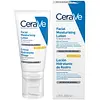
Water, Homosalate, Glycerin, Octocrylene, Ethylhexyl Salicylate, Niacinamide, Aluminum Starch Octenylsuccinate, Butyl Methoxydibenzoylmethane, Dimethicone, Cetearyl Alcohol, PEG-100 Stearate, Glyceryl Stearate, Phenoxyethanol, Stearic Acid, Behentrimonium Methosulfate, Caprylyl Glycol, Palmitic Acid, Ammonium Polyacryloyldimethyl Taurate, Xanthan Gum, Disodium EDTA, Tocopherol, Sodium Lauroyl Lactylate, Myristic Acid, Sodium Hyaluronate, Ceramide NP, Ceramide AP, Phytosphingosine, Cholesterol, Carbomer, Ethylhexylglycerin, Ceramide EOP
Zinc Oxide
Cosmetic Colorant
Water
Skin ConditioningEthylhexyl Olivate
Skin Conditioning
Dimethicone
Emollient
C9-12 Alkane
SolventCocoglycerides
Emollient
Hydroxyethyl Dimethicone
Pentylene Glycol
Skin ConditioningButyloctyl Salicylate
Skin Conditioning
Glycerin
Humectant
Jojoba Esters
Emollient
Pyrus Malus Fruit Extract
Skin Conditioning
Polymethylsilsesquioxane
Squalane
Emollient
Dipotassium Glycyrrhizate
Humectant
Beta Vulgaris Root Extract
Skin ConditioningFructooligosaccharides
Humectant
Glycine Soja Seed Extract
Skin Conditioning
Diheptyl Succinate
EmollientDisteardimonium Hectorite
StabilisingPhenoxyethanol
Preservative
Sodium Chloride
Masking
Polyhydroxystearic Acid
Emulsifying
Trihydroxystearin
Skin Conditioning
Triethyl Citrate
Masking
Hydroxyacetophenone
Antioxidant
Sodium Citrate
BufferingTetrasodium Glutamate Diacetate
Sodium Dehydroacetate
Preservative
Capryloyl Glycerin/Sebacic Acid Copolymer
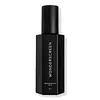
Skin ConditioningZinc Oxide, Water, Ethylhexyl Olivate, Dimethicone, C9-12 Alkane, Cocoglycerides, Hydroxyethyl Dimethicone, Pentylene Glycol, Butyloctyl Salicylate, Glycerin, Jojoba Esters, Pyrus Malus Fruit Extract, Polymethylsilsesquioxane, Squalane, Dipotassium Glycyrrhizate, Beta Vulgaris Root Extract, Fructooligosaccharides, Glycine Soja Seed Extract, Diheptyl Succinate, Disteardimonium Hectorite, Phenoxyethanol, Sodium Chloride, Polyhydroxystearic Acid, Trihydroxystearin, Triethyl Citrate, Hydroxyacetophenone, Sodium Citrate, Tetrasodium Glutamate Diacetate, Sodium Dehydroacetate, Capryloyl Glycerin/Sebacic Acid Copolymer
Reviews
Ingredients Explained
These ingredients are found in both products.
Ingredients higher up in an ingredient list are typically present in a larger amount.
Dimethicone is a type of synthetic silicone created from natural materials such as quartz.
What it does:
Dimethicone comes in different viscosities:
Depending on the viscosity, dimethicone has different properties.
Ingredients lists don't always show which type is used, so we recommend reaching out to the brand if you have questions about the viscosity.
This ingredient is unlikely to cause irritation because it does not get absorbed into skin. However, people with silicone allergies should be careful about using this ingredient.
Note: Dimethicone may contribute to pilling. This is because it is not oil or water soluble, so pilling may occur when layered with products. When mixed with heavy oils in a formula, the outcome is also quite greasy.
Learn more about DimethiconeGlycerin is already naturally found in your skin. It helps moisturize and protect your skin.
A study from 2016 found glycerin to be more effective as a humectant than AHAs and hyaluronic acid.
As a humectant, it helps the skin stay hydrated by pulling moisture to your skin. The low molecular weight of glycerin allows it to pull moisture into the deeper layers of your skin.
Hydrated skin improves your skin barrier; Your skin barrier helps protect against irritants and bacteria.
Glycerin has also been found to have antimicrobial and antiviral properties. Due to these properties, glycerin is often used in wound and burn treatments.
In cosmetics, glycerin is usually derived from plants such as soybean or palm. However, it can also be sourced from animals, such as tallow or animal fat.
This ingredient is organic, colorless, odorless, and non-toxic.
Glycerin is the name for this ingredient in American English. British English uses Glycerol/Glycerine.
Learn more about GlycerinPhenoxyethanol is a preservative that has germicide, antimicrobial, and aromatic properties. Studies show that phenoxyethanol can prevent microbial growth. By itself, it has a scent that is similar to that of a rose.
It's often used in formulations along with Caprylyl Glycol to preserve the shelf life of products.
Water. It's the most common cosmetic ingredient of all. You'll usually see it at the top of ingredient lists, meaning that it makes up the largest part of the product.
So why is it so popular? Water most often acts as a solvent - this means that it helps dissolve other ingredients into the formulation.
You'll also recognize water as that liquid we all need to stay alive. If you see this, drink a glass of water. Stay hydrated!
Learn more about Water
