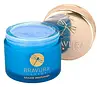
This calming moisturizer is formulated around Aloe Barbadensis Leaf Juice and Sodium Hyaluronate to calm redness and hydrate skin.
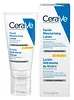
This barrier-repair day moisturizer is formulated around Niacinamide and Ceramide NP to strengthen the skin barrier and hydrate skin.


What's inside
What's inside
 Key Ingredients
Benefits
Concerns
Ingredients Side-by-side
Aloe Barbadensis Leaf Juice
Skin Conditioning


Carthamus Tinctorius Seed Oil
Masking


Stearic Acid
Cleansing
Cetyl Alcohol
Emollient

Dimethicone
Emollient

Algin
MaskingHumulus Lupulus Extract
AntimicrobialRosmarinus Officinalis Leaf Extract
AntimicrobialSalvia Officinalis Leaf Extract
CleansingCorylus Avellana Seed Oil
Emollient
Triticum Vulgare Germ Oil
Emollient

Phenoxyethanol
Preservative
Sodium Hyaluronate
Humectant


Sodium PCA
Humectant
Triethanolamine
BufferingPersea Gratissima Oil
Skin Conditioning
Azulene
Skin Conditioning
Tocopheryl Acetate
Antioxidant


Retinyl Palmitate
Skin Conditioning

Ascorbyl Palmitate
Antioxidant
Panthenol
Skin Conditioning
Panax Ginseng Root Extract
Emollient
Allantoin
Skin Conditioning
Potassium Sorbate
Preservative
Sodium Benzoate
Masking
Citric Acid
Buffering
Aloe Barbadensis Leaf Juice, Carthamus Tinctorius Seed Oil, Stearic Acid, Cetyl Alcohol, Dimethicone, Algin, Humulus Lupulus Extract, Rosmarinus Officinalis Leaf Extract, Salvia Officinalis Leaf Extract, Corylus Avellana Seed Oil, Triticum Vulgare Germ Oil, Phenoxyethanol, Sodium Hyaluronate, Sodium PCA, Triethanolamine, Persea Gratissima Oil, Azulene, Tocopheryl Acetate, Retinyl Palmitate, Ascorbyl Palmitate, Panthenol, Panax Ginseng Root Extract, Allantoin, Potassium Sorbate, Sodium Benzoate, Citric Acid
Water
Skin ConditioningHomosalate
Skin Conditioning

Glycerin
Humectant
Octocrylene
UV Absorber
Ethylhexyl Salicylate
UV Absorber
Niacinamide
Smoothing




Aluminum Starch Octenylsuccinate
Absorbent
Butyl Methoxydibenzoylmethane
UV Absorber
Dimethicone
Emollient
Cetearyl Alcohol
Emollient
PEG-100 Stearate
Surfactant
Glyceryl Stearate
Emollient
Phenoxyethanol
Preservative
Stearic Acid
Cleansing
Behentrimonium Methosulfate
SurfactantCaprylyl Glycol
Emollient
Palmitic Acid
Emollient
Ammonium Polyacryloyldimethyl Taurate
Emulsion StabilisingXanthan Gum
EmulsifyingDisodium EDTA
ChelatingTocopherol
Antioxidant
Sodium Lauroyl Lactylate
EmulsifyingMyristic Acid
Cleansing
Sodium Hyaluronate
Humectant
Ceramide NP
Skin Conditioning
Ceramide AP
Skin Conditioning
Phytosphingosine
Skin Conditioning
Cholesterol
Emollient
Carbomer
Emulsion StabilisingEthylhexylglycerin
Skin ConditioningCeramide EOP
Skin Conditioning
Water, Homosalate, Glycerin, Octocrylene, Ethylhexyl Salicylate, Niacinamide, Aluminum Starch Octenylsuccinate, Butyl Methoxydibenzoylmethane, Dimethicone, Cetearyl Alcohol, PEG-100 Stearate, Glyceryl Stearate, Phenoxyethanol, Stearic Acid, Behentrimonium Methosulfate, Caprylyl Glycol, Palmitic Acid, Ammonium Polyacryloyldimethyl Taurate, Xanthan Gum, Disodium EDTA, Tocopherol, Sodium Lauroyl Lactylate, Myristic Acid, Sodium Hyaluronate, Ceramide NP, Ceramide AP, Phytosphingosine, Cholesterol, Carbomer, Ethylhexylglycerin, Ceramide EOP
Reviews
Ingredients Explained
These ingredients are found in both products.
Ingredients higher up in an ingredient list are typically present in a larger amount.
Dimethicone is a type of synthetic silicone created from natural materials such as quartz. It is also known as polydimethylsiloxane.
What it does:
Dimethicone comes in different viscosities:
Depending on the viscosity, dimethicone has different properties.
Ingredients lists don't always show which type is used, so we recommend reaching out to the brand if you have questions about the viscosity.
This ingredient is unlikely to cause irritation because it does not get absorbed into skin. However, people with silicone allergies should be careful about using this ingredient.
Note: Dimethicone may contribute to pilling. This is because it is not oil or water soluble, so pilling may occur when layered with products. When mixed with heavy oils in a formula, the outcome is also quite greasy.
Learn more about DimethiconePhenoxyethanol is one of the most widely used preservatives in skincare (and for good reason!).
It has a large spectrum of antimicrobial activity and especially effective bacteria, yeast, and mold while only having a weak effect on your skin's natural microbiome.
On a cellular level, it disrupts the cell membranes of microbes by poking holes that make the cell leak. This shuts down the chemical reactions the microbe needs to make energy so it can no longer survive.
Another perk of this ingredient is that it stays functional across a wide pH range (3-10).
You'll often see it paired with boosters like Ethylhexylglycerin; one study showed that a 1:9 ratio of Ethylhexylglycerin to Phenoxyethanol damages bacterial membranes as effectively as doubling the Phenoxyethanol concentration on its own.
Typical use concentrations range from 0.3-1% depending on the formula, and this ingredient is capped at 1% int the EU.
Safety-wise, the fear mongering does not hold up to the evidence. The EU's Scientific Committee on Consumer Safety and FDA consider it safe as a preservative at up to 1%, including for children of all ages.
Adverse systemic effects only showed up in animal studies at exposures roughly 200x higher than what people get from cosmetics. And despite its very widespread use, this ingredient is a rare sensitizer and allergic reactions are uncommon.
Learn more about PhenoxyethanolSodium Hyaluronate is the salt form of hyaluronic acid. It is a long sugar chain that is naturally found in your skin, joints, and connective tissue that maintains hydration and elasticity.
In skincare, it works as a humectant. It pulls water from the environment and deeper layers of skin and binds it to the surface.
Interestingly, the size of the molecule affects its behavior:
Some clinical evidence links low molecular weight versions to improved wrinkle depth, elasticity, anti-inflammatory effects, and barrier repair.
Many serums use a blend of both weights so you can get surface hydration plus longer-lasting and deeper effects.
You'll typically see concentrations between 0.1-2% for this ingredient.
Learn more about Sodium HyaluronateStearic Acid is a fatty acid that is already found in your skin. It's one of the free fatty acids that works alongside ceramides and cholesterols to maintain your barrier.
In cosmetics, it is a multitasker:
Safety-wise, the CIR Expert Panel has concluded it to be safe in cosmetics when formulated to be non-irritating and non-sensitizing.
Free stearic acid is a C18 fatty acid that the Malassezia yeast can substrate, so this ingredient may not be fungal acne safe.
This ingredient does have a comedogenic rating of 2-3, but this doesn't mean a formula with this ingredient will clog pores.
Human testing has proved that any finished product with this ingredient won't automatically make you break out; it really comes down to concentration, formula, and your skin.
Learn more about Stearic Acid

