Botanist Botanical Hair Mask Deep Damage Repair Balm Sakura & Cherry Limited Edition Versus Botanist Botanical Body Milk

What's inside
What's inside
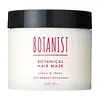 Key Ingredients
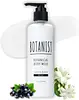
No key ingredients
Benefits
Concerns
Ingredients Side-by-side
Water
Skin ConditioningDimethicone
Emollient

PEG-20
HumectantCetearyl Alcohol
Emollient






Glycerin
Humectant

Dipropylene Glycol
HumectantBehentrimonium Chloride
Preservative
PEG-12
HumectantPersea Gratissima Oil
Skin Conditioning
Amodimethicone
Hydrolyzed Pea Protein
EmollientGamma-Docosalactone
Skin ConditioningSodium Lauroyl Glutamate
SurfactantPhytosteryl/Octyldodecyl Lauroyl Glutamate
Skin ConditioningRice Bran Oil/Hydrogenated Rice Bran Oil Esters
Skin Protecting
Phytosteryl Macadamiate
Skin Conditioning
Hydrolyzed Vegetable Protein
Skin ConditioningSucrose
Humectant
Sphingolipids
Emollient
Betula Platyphylla Japonica Juice
Skin Conditioning
Galactomyces/Betula Platyphylla Japonica Juice Ferment Filtrate
Dipotassium Glycyrrhizate
Humectant
Hydrogenated Jojoba Oil
Abrasive
Rubus Idaeus Fruit Extract
AstringentOryza Sativa Lees Extract
Skin ConditioningAspergillus/Rice Ferment Extract
HumectantPrunus Cerasus Fruit Extract
Antioxidant
Paeonia Officinalis Flower Extract
TonicMorus Alba Bark Extract
Skin ConditioningScutellaria Baicalensis Root Extract
Astringent
Sodium Hyaluronate
Humectant

Arginine
Masking
Bis-Diglyceryl Polyacyladipate-2
Emollient
Diglycerin
Humectant
Glyceryl Stearate
Emollient
Malic Acid
Buffering



Butylene Glycol
Humectant
Hydrogenated Lysolecithin
EmulsifyingHydrogenated Lecithin
Emulsifying
Behenyl Alcohol
Emollient
Di-C12-18 Alkyl Dimonium Chloride
Skin ConditioningDistearyldimonium Chloride
Aminopropyl Dimethicone
Oleyl Oleate
Emollient
Phytosterols
Skin Conditioning
Pentylene Glycol
Skin Conditioning
Hexylene Glycol
EmulsifyingLactic Acid
Buffering


Disodium EDTA
ChelatingPropanediol
Solvent
Isopropyl Alcohol
Solvent

Sodium Benzoate
Masking
Phenoxyethanol
Preservative
Parfum
Masking

Caramel
Cosmetic ColorantWater, Dimethicone, PEG-20, Cetearyl Alcohol, Glycerin, Dipropylene Glycol, Behentrimonium Chloride, PEG-12, Persea Gratissima Oil, Amodimethicone, Hydrolyzed Pea Protein, Gamma-Docosalactone, Sodium Lauroyl Glutamate, Phytosteryl/Octyldodecyl Lauroyl Glutamate, Rice Bran Oil/Hydrogenated Rice Bran Oil Esters, Phytosteryl Macadamiate, Hydrolyzed Vegetable Protein, Sucrose, Sphingolipids, Betula Platyphylla Japonica Juice, Galactomyces/Betula Platyphylla Japonica Juice Ferment Filtrate, Dipotassium Glycyrrhizate, Hydrogenated Jojoba Oil, Rubus Idaeus Fruit Extract, Oryza Sativa Lees Extract, Aspergillus/Rice Ferment Extract, Prunus Cerasus Fruit Extract, Paeonia Officinalis Flower Extract, Morus Alba Bark Extract, Scutellaria Baicalensis Root Extract, Sodium Hyaluronate, Arginine, Bis-Diglyceryl Polyacyladipate-2, Diglycerin, Glyceryl Stearate, Malic Acid, Butylene Glycol, Hydrogenated Lysolecithin, Hydrogenated Lecithin, Behenyl Alcohol, Di-C12-18 Alkyl Dimonium Chloride, Distearyldimonium Chloride, Aminopropyl Dimethicone, Oleyl Oleate, Phytosterols, Pentylene Glycol, Hexylene Glycol, Lactic Acid, Disodium EDTA, Propanediol, Isopropyl Alcohol, Sodium Benzoate, Phenoxyethanol, Parfum, Caramel
Water
Skin ConditioningGlycerin
Humectant
Oryza Sativa Bran Oil
Emollient
Butylene Glycol
Humectant
C14-22 Alcohols
Emulsion Stabilising
Cetyl Ethylhexanoate
EmollientPrunus Amygdalus Dulcis Oil
Skin Conditioning
Butyrospermum Parkii Butter
Skin Conditioning
Theobroma Cacao Seed Butter
Emollient
Astrocaryum Murumuru Seed Butter
Emollient
Cocos Nucifera Oil
Masking
Macadamia Ternifolia Seed Oil
Emollient
Aleurites Moluccanus Seed Oil
Skin Conditioning
Olea Europaea Fruit Oil
Masking
Rubus Idaeus Fruit Extract
AstringentMalva Sylvestris Flower Extract
Skin ConditioningNymphaea Alba Flower Extract
Skin ConditioningAloe Barbadensis Leaf Extract
Emollient
Luffa Cylindrica Fruit/Leaf/Stem Extract
Skin ConditioningRosa Canina Fruit Oil
Emollient
Citrus Junos Fruit Extract
Skin ConditioningHydrogenated Starch Hydrolysate
HumectantCetearyl Alcohol
Emollient
Glycosyl Trehalose
Emulsion StabilisingDimethicone
Emollient
C12-20 Alkyl Glucoside
EmulsifyingGlyceryl Stearate
Emollient
Hydroxyethyl Acrylate/Sodium Acryloyldimethyl Taurate Copolymer
Emulsion StabilisingSclerotium Gum
Emulsion StabilisingXanthan Gum
EmulsifyingPropanediol
Solvent
Arginine
Masking
Hydrogenated Vegetable Oil
Emollient
Phytic Acid
Chelating
Rhamnose
HumectantSilver Oxide
AntimicrobialGlucose
Humectant
Glucuronic Acid
Buffering
Phenoxyethanol
Preservative
Parfum
Masking
Water, Glycerin, Oryza Sativa Bran Oil, Butylene Glycol, C14-22 Alcohols, Cetyl Ethylhexanoate, Prunus Amygdalus Dulcis Oil, Butyrospermum Parkii Butter, Theobroma Cacao Seed Butter, Astrocaryum Murumuru Seed Butter, Cocos Nucifera Oil, Macadamia Ternifolia Seed Oil, Aleurites Moluccanus Seed Oil, Olea Europaea Fruit Oil, Rubus Idaeus Fruit Extract, Malva Sylvestris Flower Extract, Nymphaea Alba Flower Extract, Aloe Barbadensis Leaf Extract, Luffa Cylindrica Fruit/Leaf/Stem Extract, Rosa Canina Fruit Oil, Citrus Junos Fruit Extract, Hydrogenated Starch Hydrolysate, Cetearyl Alcohol, Glycosyl Trehalose, Dimethicone, C12-20 Alkyl Glucoside, Glyceryl Stearate, Hydroxyethyl Acrylate/Sodium Acryloyldimethyl Taurate Copolymer, Sclerotium Gum, Xanthan Gum, Propanediol, Arginine, Hydrogenated Vegetable Oil, Phytic Acid, Rhamnose, Silver Oxide, Glucose, Glucuronic Acid, Phenoxyethanol, Parfum
Ingredients Explained
These ingredients are found in both products.
Ingredients higher up in an ingredient list are typically present in a larger amount.
Arginine is a semi-essential amino acid. This just means our bodies can product a bit on its own, but sometimes needs a little boost from food sources.
It is a part of your skin's natural moisturizing factor (NMF), or the water-loving molecules in your outermost layer of skin (stratum corneum) that keeps everything hydrated and happy.
Here's an interesting thing about Arginine: your skin converts it into urea through the Krebs-Henseleit urea cycle. Urea is one of the most effective humectants your skin naturally produces.
A clinical study showed applying 2.5% arginine hydrochloride to atopic dermatitis skin showed significant urea levels in the stratum corneum and improved moisture in just four weeks.
Arginine is also a precursor to nitric oxide; nitric oxide improves microcirculation and supports wound healing and collagen synthesis.
One study found that an amino acid complex containing Arginine reduced skin irritation, improved hydration, and accelerated skin repair in clinical / in-vivo studies.
Arginine itself is an amino acid and not a fatty acid, oil, or ester. On its own, it's not a direct food source for Malassezia, or the yeast that causes fungal acne.
Learn more about ArginineButylene Glycol (or BG) is used within cosmetic products for a few different reasons:
Overall, Butylene Glycol is a safe and well-rounded ingredient that works well with other ingredients.
Though this ingredient works well with most skin types, some people with sensitive skin may experience a reaction such as allergic rashes, closed comedones, or itchiness.
Learn more about Butylene GlycolCetearyl alcohol is a waxy mixture of two fatty alcohols: cetyl alcohol and stearyl alcohol. It is an emollient and emulsifier.
Despite having "alcohol" in its name, it has nothing to do with drying solvent alcohols; the FDA also allows "alcohol-free" products to contain fatty alcohols like this ingredient.
It plays several roles in a formula:
Typical use levels for this ingredient sit around 1-10% and the Cosmetic Ingredient Review Expert Panel has affirmed safety at concentrations up to 25% in leave-on products.
Multiple assessments have found it to be non-irritating and non-sensitizing to most people.
However, there have been some cases of allergic contact dermatitis in patients with chronically compromised skin barriers.
Cetearyl alcohol has a comedogenic rating of 2 and irritancy rating of 1. Both of these numbers come from the 1989 study that used rabbit ears; a "2" means mildly comedogenic and a "1" means low irritancy.
Here's the catch: rabbit skin is more sensitive than human skin and throws a lot of false positives. A 1996 reappraisal found that ingredients rated 1-2 in the rabbit ear tests are generally safe for humans.
Remember comedogenic ratings are unable to assess the entire formula of a product or how it will react on your skin. Just be sure to patch test if you are unsure about certain ingredients.
This ingredient is not fungal acne safe. Cetearyl alcohol is a fatty alcohol with chain lengths that fall within the range that Malassezia can metabolize.
A 2019 study has also observed Malassezia growth in the presence of this ingredient, confirming it to be not-fungal acne safe.
Learn more about Cetearyl AlcoholDimethicone is a type of synthetic silicone created from natural materials such as quartz. It is also known as polydimethylsiloxane.
What it does:
Dimethicone comes in different viscosities:
Depending on the viscosity, dimethicone has different properties.
Ingredients lists don't always show which type is used, so we recommend reaching out to the brand if you have questions about the viscosity.
This ingredient is unlikely to cause irritation because it does not get absorbed into skin. However, people with silicone allergies should be careful about using this ingredient.
Note: Dimethicone may contribute to pilling. This is because it is not oil or water soluble, so pilling may occur when layered with products. When mixed with heavy oils in a formula, the outcome is also quite greasy.
Learn more about DimethiconeGlycerin (or glycerol) is a compound naturally found in your skin. It's a powerhouse humectant that pulls water into the stratum corneum.
Topically, glycerin does several things at once:
Your skin makes glycerin on its own (mostly from sebaceous oil breakdown) and shuttles it to your outermost layer of skin, or your epidermis, via aquaporin-3.
Aquaporin-3 is a transporter that is essential for normal skin hydration, elasticity, and repair. Interestingly, mice lacking in AQP3 have dry and less elastic skin that can be fully corrected with glycerin.
This ingredient is non-irritating, plays well with almost every ingredient, and works across all skin types. Typical use is anywhere between 3-10% but can go up to 79% in some leave-on products.
Just know very high concentrations (>40%) can feel tacky in low humidity.
Glycerin is the name for this ingredient in American English. British English uses Glycerol/Glycerine.
Learn more about GlycerinGlyceryl Stearate is made by reacting glycerin with stearic acid (typically sourced from plant oils like palm or coconut). It's an emulsifier, emollient, and mild occlusive.
Emulsifiers help ingredients like oil and water stay mixed so your formula stays nicely blended and uniform in texture.
This ingredient is typically used in concentrations between 1-10%. Studies have found it to be non-sensitizing, non-phototoxic, and non-photoallergenic.
A close cousin of this ingredient is Glyceryl Stearate SE ("self-emulsifying"). This just has a small amount of sodium or potassium stearate added so it can emulsify without a co-emulsifier.
Since this ingredient is an ester of a C18 fatty acid, it may not be fungal acne safe. The Malassezia yeast can potentially metabolize within the C11-C24 range.
Fun fact: The human body also creates Glyceryl Stearate naturally.
Learn more about Glyceryl StearateParfum is a catch-all term for an ingredient or more that is used to give a scent to products.
Also called "fragrance", this ingredient can be a blend of hundreds of chemicals or plant oils. This means every product with "fragrance" or "parfum" in the ingredients list is a different mixture.
For instance, Habanolide is a proprietary trade name for a specific aroma chemical. When used as a fragrance ingredient in cosmetics, most aroma chemicals fall under the broad labeling category of “FRAGRANCE” or “PARFUM” according to EU and US regulations.
The term 'parfum' or 'fragrance' is not regulated in many countries. In many cases, it is up to the brand to define this term.
For instance, many brands choose to label themselves as "fragrance-free" because they are not using synthetic fragrances. However, their products may still contain ingredients such as essential oils that are considered a fragrance by INCI standards.
One example is Calendula flower extract. Calendula is an essential oil that still imparts a scent or 'fragrance'.
Depending on the blend, the ingredients in the mixture can cause allergies and sensitivities on the skin. Some ingredients that are known EU allergens include linalool and citronellol.
Parfum can also be used to mask or cover an unpleasant scent.
The bottom line is: not all fragrances/parfum/ingredients are created equally. If you are worried about fragrances, we recommend taking a closer look at an ingredient. And of course, we always recommend speaking with a professional.
Learn more about ParfumPhenoxyethanol is one of the most widely used preservatives in skincare (and for good reason!).
It has a large spectrum of antimicrobial activity and especially effective bacteria, yeast, and mold while only having a weak effect on your skin's natural microbiome.
On a cellular level, it disrupts the cell membranes of microbes by poking holes that make the cell leak. This shuts down the chemical reactions the microbe needs to make energy so it can no longer survive.
Another perk of this ingredient is that it stays functional across a wide pH range (3-10).
You'll often see it paired with boosters like Ethylhexylglycerin; one study showed that a 1:9 ratio of Ethylhexylglycerin to Phenoxyethanol damages bacterial membranes as effectively as doubling the Phenoxyethanol concentration on its own.
Typical use concentrations range from 0.3-1% depending on the formula, and this ingredient is capped at 1% int the EU.
Safety-wise, the fear mongering does not hold up to the evidence. The EU's Scientific Committee on Consumer Safety and FDA consider it safe as a preservative at up to 1%, including for children of all ages.
Adverse systemic effects only showed up in animal studies at exposures roughly 200x higher than what people get from cosmetics. And despite its very widespread use, this ingredient is a rare sensitizer and allergic reactions are uncommon.
Learn more about PhenoxyethanolPropanediol is an all-star ingredient. It softens, hydrates, and smooths the skin.
It’s often used to:
Propanediol is not likely to cause sensitivity and considered safe to use. It is derived from corn or petroleum with a clear color and no scent.
Learn more about PropanediolWe don't have a description for Rubus Idaeus Fruit Extract yet.
Water. It's the most common cosmetic ingredient of all. You'll usually see it at the top of ingredient lists, meaning that it makes up the largest part of the product.
So why is it so popular? Water most often acts as a solvent - this means that it helps dissolve other ingredients into the formulation.
You'll also recognize water as that liquid we all need to stay alive. If you see this, drink a glass of water. Remember to stay hydrated!
Learn more about Water

